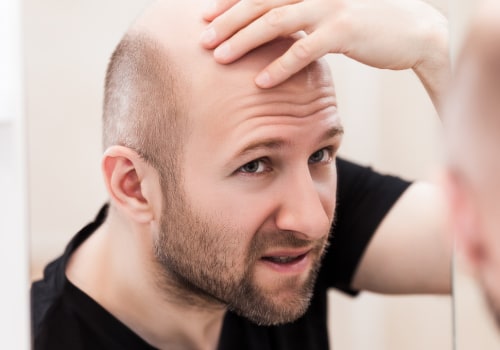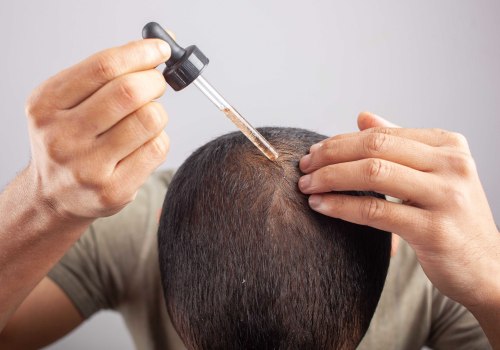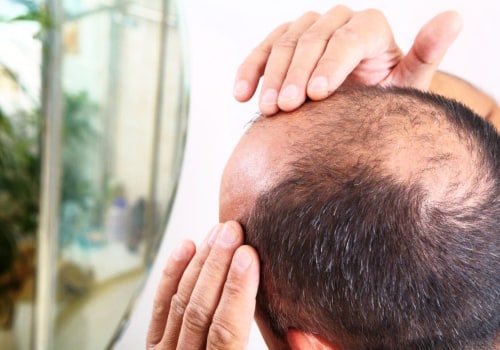
Wigs and hairpieces have transcended their initial purpose of mere fashion accessories to become essential tools for hair restoration and personal expression. Throughout history, these versatile items have been utilized not only to enhance beauty but also to address various hair-related concerns, including thinning hair and complete hair loss. From ancient civilizations that adorned themselves with elaborate wigs to modern-day individuals seeking a quick style transformation, the significance of wigs and hairpieces is undeniable. The evolution of wigs and hairpieces reflects changing societal norms and technological advancements in the beauty industry. In the past, wigs were often made from human hair or animal fur, crafted meticulously to achieve a desired look.
Today, advancements in materials have led to the creation of high-quality synthetic options that mimic the appearance and feel of natural hair. This innovation has made it easier for individuals to find a wig or hairpiece that suits their unique style and needs. Beyond aesthetics, the benefits of wearing wigs and hairpieces extend into the realm of self-confidence and personal empowerment. For those experiencing hair loss due to medical conditions, aging, or other factors, wigs can provide a sense of normalcy and restore self-esteem. Additionally, they offer an opportunity for creativity, allowing wearers to experiment with different colors, lengths, and styles without committing to permanent changes. As we delve deeper into the world of wigs and hairpieces, we will explore the various types available, their specific benefits, and essential considerations when choosing the right piece for your individual needs.
Whether you are looking for a solution to hair loss or simply want to switch up your look, understanding the intricacies of wigs and hairpieces will empower you to make informed decisions that enhance your personal style.
The Evolution of Wigs: A Historical Perspective
The history of wigs and hairpieces is a fascinating journey that reflects the cultural, social, and artistic evolution of societies throughout the ages. From ancient civilizations to modern fashion trends, wigs have served various purposes, ranging from practical to ceremonial. Wigs can be traced back to ancient Egypt, where they were worn by both men and women as a means of protection against the sun and as a symbol of status. The Egyptians crafted wigs from human hair, sheep's wool, and plant fibers, often adorning them with gold and jewels. These elaborate hairstyles were not only a fashion statement but also a reflection of one’s social standing.The use of wigs in Egypt set a precedent for their cultural significance in subsequent civilizations. In ancient Greece, wigs became popular among actors and performers who used them to portray different characters in theatrical productions. The Greeks valued beauty and aesthetics, leading to the creation of intricate hairstyles that were often imitated by the general populace. Wigs were also used by women to enhance their appearance, with styles that varied according to the latest trends. The Roman Empire further popularized wigs, particularly among the elite. Roman women often wore wigs made from the hair of slaves or other women, showcasing their wealth and status.
The Romans also introduced the concept of hairpieces as a means to cover baldness, which was seen as undesirable in their society. During the Renaissance period in Europe, wigs underwent a significant transformation. They became a symbol of nobility and sophistication, particularly in France under King Louis XIV. The elaborate styles of this era featured long curls and powdered wigs that became synonymous with aristocracy. This trend spread across Europe, influencing fashion and societal norms. As we moved into the 18th century, wigs continued to evolve.
The French Revolution marked a shift in attitudes towards wigs; they became associated with the aristocracy and were largely abandoned by the common people. However, by the 19th century, wigs regained popularity as part of theatrical performances and later in everyday fashion. In contemporary society, wigs have transcended their historical roots to become versatile accessories used for various reasons—whether for fashion, convenience, or as a solution for hair loss due to medical conditions. Today’s advancements in wig technology have led to more realistic materials and styles that cater to diverse preferences. Understanding the historical significance of wigs enriches our appreciation for their modern applications. From symbols of power and beauty to practical solutions for hair restoration, wigs continue to play an essential role in personal expression across cultures.
Types of Wigs and Hairpieces
When it comes to enhancing your hairstyle or addressing hair loss, understanding the different types of wigs and hairpieces available is essential.Each type offers unique features, benefits, and ideal use cases, making it easier for you to find the perfect match for your needs.
- Synthetic Wigs: These wigs are crafted from man-made fibers designed to mimic the appearance and texture of natural hair. They are often more affordable than human-hair wigs and come pre-styled, which means they maintain their shape even after washing. However, synthetic wigs have limitations in terms of styling versatility; they cannot withstand high heat from styling tools. Ideal for those seeking a low-maintenance option, synthetic wigs are perfect for casual wear or special occasions.
- Human-Hair Wigs: Made from real human hair, these wigs offer a natural look and feel that synthetic options cannot replicate.
They can be styled, colored, and treated just like your own hair, providing a high level of versatility. While they tend to be more expensive than synthetic wigs, their durability and realistic appearance make them a worthwhile investment for those looking for long-term solutions to hair loss or style changes.
- Full-Cap Wigs: These wigs cover the entire head and are ideal for individuals experiencing complete hair loss or significant thinning. Full-cap wigs come in both synthetic and human-hair varieties, allowing users to choose based on their budget and desired look. They provide full coverage and can be styled in various ways, making them a popular choice among those seeking a comprehensive solution.
- Lace-Front Wigs: Lace-front wigs feature a sheer lace panel at the front that creates an illusion of a natural hairline.
This design allows for versatile styling options, including pulling the hair back without revealing the wig's edge. Lace-front wigs can be made from either synthetic or human hair and are particularly favored by those who want a realistic appearance while maintaining styling flexibility.
- Clip-In Hairpieces: For those who want to add volume or length without committing to a full wig, clip-in hairpieces are an excellent choice. These temporary extensions can be easily attached and removed as needed, allowing for quick style changes. Available in various colors and textures, clip-in hairpieces offer versatility for special occasions or everyday wear.
Whether you opt for a synthetic wig for its affordability or a human-hair wig for its realism, there is a perfect option out there for everyone.
Understanding Hair Restoration: The Role of Wigs and Hairpieces
For many individuals facing hair loss, whether due to genetics, medical conditions, or other factors, the journey can be emotionally challenging. Wigs and hairpieces have emerged as effective solutions that not only address the physical aspects of hair loss but also provide significant psychological benefits.Hair restoration solutions
encompass a variety of methods, from surgical options like hair transplants to non-invasive alternatives such as wigs and hairpieces. Among these, wigs and hairpieces stand out for their immediate results and versatility. They allow individuals to regain their confidence and restore their appearance without undergoing invasive procedures. One of the primary advantages of using wigs for hair restoration is the instant transformation they offer.
Unlike other methods that may take time to show results, a well-fitted wig can provide a full head of hair in moments. This immediacy can be particularly beneficial for those who experience sudden hair loss due to medical treatments like chemotherapy or alopecia. Moreover, wigs and hairpieces come in a wide range of styles, colors, and textures, allowing users to choose a look that best suits their personality and lifestyle. This customization not only enhances physical appearance but also empowers individuals to express themselves creatively. For many, this ability to change their look can be a significant boost to self-esteem. In addition to aesthetic benefits, wearing wigs can also have profound psychological effects.
Many people report feeling more confident and socially engaged when wearing a wig or hairpiece. The fear of being judged or feeling self-conscious about hair loss can diminish significantly when one has the option to wear a natural-looking wig. This newfound confidence can lead to improved social interactions and a more active lifestyle. Furthermore, wigs are often designed with comfort in mind. Modern advancements in wig technology have led to lighter materials and breathable designs that make them comfortable for all-day wear.
Many wigs now feature adjustable straps and secure fittings that ensure they stay in place, allowing users to go about their daily activities without worry. In summary, wigs and hairpieces serve as invaluable tools in the realm of hair restoration. They not only provide an immediate solution for those experiencing hair loss but also contribute positively to mental well-being by restoring confidence and enhancing personal expression. As more individuals recognize these benefits, the popularity of wigs as a viable option for hair restoration continues to grow.
Choosing the Right Wig or Hairpiece for You
Choosing the right wig or hairpiece can be a transformative experience, allowing you to express your personal style while addressing specific needs such as hair loss or simply wanting a change. To make an informed decision, consider the following factors:1.Face Shape
Your face shape plays a crucial role in determining which wig or hairpiece will complement your features best.Here’s a quick guide:
- Round Faces: Opt for longer styles that elongate the face, such as straight or layered cuts. Avoid short, round styles that can accentuate the width of your face.
- Oval Faces: Lucky you! Most styles will suit an oval face. However, consider experimenting with bangs or layers to add dimension.
- Square Faces: Soft, wavy styles can help soften angular features. Look for wigs with volume at the crown and layers around the face.
- Heart-Shaped Faces: Choose styles that add width at the chin, such as chin-length bobs or long, flowing waves that balance the forehead's width.
- Long Faces: Go for shorter styles or those with volume on the sides to create the illusion of width.
2.Lifestyle Considerations
Your daily activities and lifestyle should also influence your choice of wig or hairpiece.If you lead an active life, consider:
- Maintenance: Synthetic wigs are often easier to care for and require less styling than human hair wigs.
- Comfort: Lightweight wigs with breathable caps are ideal for those who are frequently on the go.
- Versatility: Clip-in extensions can provide temporary changes without commitment, perfect for special occasions.
3.Budget Constraints
Your budget will significantly impact your options. Wigs and hairpieces come in a wide range of prices:- Synthetic Wigs: Generally more affordable, these wigs can range from $50 to $300 depending on quality and brand.
- Human Hair Wigs: These tend to be pricier, often starting around $200 and going up to $3,000 for high-quality options.
4.Personal Style Preferences
Your unique style should shine through in your choice of wig or hairpiece. Consider factors such as color, length, and texture:- Color: Choose shades that complement your skin tone. Don’t hesitate to experiment with highlights or ombre effects!
- Length: Think about how long you want your hair to be.
Longer wigs can offer versatility in styling but may require more maintenance.
- Texture: Decide if you prefer straight, wavy, or curly textures based on your personal style and how much time you want to spend styling.
The Manufacturing Process: How Wigs and Hairpieces are Made
The creation of wigs and hairpieces is a meticulous process that combines artistry with advanced manufacturing techniques. Understanding how these products are made can enhance your appreciation for their quality and durability.Sourcing Materials
The first step in the manufacturing process involves sourcing the right materials. Wigs can be made from two primary types of fibers: human hair and synthetic fibers. Each material has its own unique properties and benefits.
- Human Hair: This type of wig is crafted from real human hair, which is often collected from donors.
The hair is typically sourced from various countries, with Indian and Chinese hair being among the most popular due to their texture and quality. Donors usually agree to sell their hair, which is then cleaned, sorted, and prepared for wig production.
- Synthetic Fibers: These wigs are made from man-made materials such as polyester or nylon. Synthetic fibers are designed to mimic the look and feel of natural hair while being more affordable. They come in a variety of colors and styles, making them a versatile option for many users.
Construction Techniques
Once the materials are sourced, the next phase is the construction of the wig or hairpiece.
This process varies depending on whether the wig is made from human hair or synthetic fibers.
- Human-Hair Wigs: The manufacturing of human-hair wigs involves several steps:
- The collected hair is sorted by color, length, and texture.
- Hair strands are then sewn onto a lace or mesh cap using a technique called "ventilating," which ensures that each strand is securely attached while allowing for natural movement.
- After the base is constructed, the wig is styled according to the desired look, which may include cutting, curling, or straightening.
- Synthetic Wigs: The process for synthetic wigs differs slightly:
- Synthetic fibers are dyed and shaped into strands that resemble natural hair.
- These strands are then attached to a cap using similar ventilating techniques as with human-hair wigs.
- Styling options for synthetic wigs are limited compared to human hair; however, they can be pre-styled into various looks that maintain their shape even after washing.
Quality Control Measures
To ensure that each wig meets high standards of quality, manufacturers implement rigorous quality control measures throughout the production process. This includes:
- Inspecting materials for consistency in color and texture before production begins.
- Conducting tests on finished products to check for durability and comfort.
- Ensuring that all wigs are free from defects before they are packaged and shipped to retailers or customers.
Caring for Your Wig or Hairpiece: Maintenance Tips
Maintaining your wig or hairpiece is essential for ensuring its longevity and keeping it looking fresh and vibrant. Proper care not only enhances the appearance but also protects your investment.Here are some practical tips for caring for both synthetic and human-hair wigs.
Cleaning Your Wig
Regular cleaning is crucial, but the methods differ between synthetic and human-hair wigs:- Synthetic Wigs: These wigs are generally easier to care for. To clean a synthetic wig, fill a basin with cool water and add a small amount of mild shampoo specifically designed for wigs. Gently submerge the wig and swish it around without rubbing or twisting. Rinse thoroughly with cool water, then gently blot with a towel to remove excess moisture.
Avoid wringing the wig, as this can damage the fibers.
- Human-Hair Wigs: Human-hair wigs require a bit more attention. Use lukewarm water and a sulfate-free shampoo to wash the wig. Apply the shampoo gently, working from the roots to the tips. Rinse thoroughly and follow up with a conditioner designed for human hair.
Allow it to sit for a few minutes before rinsing again. After washing, gently squeeze out excess water and lay the wig flat on a towel to dry.
Styling Tips
After cleaning, styling your wig properly can help maintain its shape and appearance:- Heat Styling: If you have a human-hair wig, you can use heat styling tools like curling irons or straighteners. Always use a heat protectant spray to prevent damage.
- Avoid Heat on Synthetic Wigs: For synthetic wigs, avoid using heat styling tools as they can melt the fibers. Instead, opt for styling products like mousse or gel that are safe for synthetic materials.
- Storage: When not in use, store your wig on a wig stand or in a breathable bag to maintain its shape.
Avoid hanging it on a hook, as this can stretch out the cap over time.
Styling Techniques for Wigs and Hairpieces
Styling wigs and hairpieces can be a fun and creative process, allowing you to express your personal style while enhancing your overall look. Whether you’re using a synthetic wig or a human-hair piece, there are various techniques and tools that can help you achieve the desired appearance.Essential Tools for Styling
- Wide-Toothed Comb: Ideal for detangling without causing damage, especially when the wig is wet.
- Wig Brush: Specifically designed to maintain the integrity of the fibers, preventing frizz and breakage.
- Heat Styling Tools: For human-hair wigs, curling irons and flat irons can be used to create curls or straight styles. Always use a heat protectant spray to minimize damage.
- Wig Stand: A must-have for styling and storing your wig, helping it maintain its shape when not in use.
- Hair Products: Use products like mousse, gel, or hairspray designed for wigs to hold styles in place without causing buildup.
Creative Styling Techniques
Once you have the right tools, you can explore various styling techniques to transform your wig or hairpiece:- Curling: For a bouncy look, use a curling iron on human-hair wigs. For synthetic wigs, opt for foam rollers or bendable rods to create curls without heat.
- Straightening: Flat irons can be used on human-hair wigs to achieve sleek styles.
For synthetic options, avoid heat and instead use a straightening product designed for wigs.
- Add Volume: Teasing the roots with a comb can create lift. Alternatively, volumizing powders can be sprinkled at the roots for added body.
- Braiding: Create intricate styles by braiding sections of hair. This works well with both synthetic and human-hair wigs, adding texture and interest.
- Ponytails and Updos: Gather hair into a ponytail or bun for an elegant look. Use bobby pins to secure any loose strands and create a polished finish.
Remember to always handle your pieces gently and follow care instructions specific to the material of your wig to keep it looking its best.
Frequently Asked Questions About Wigs and Hairpieces
When it comes to wigs and hairpieces, many people have questions and misconceptions. This section aims to clarify some of the most common queries and debunk prevalent myths surrounding these versatile hair solutions.Common Questions About Wigs
- How long do wigs last? The lifespan of a wig largely depends on its material. Synthetic wigs typically last between 4 to 6 months with proper care, while human hair wigs can last from 1 to 3 years or even longer if maintained well.
- Can I style my wig like my natural hair? Yes, you can style your wig! Human hair wigs can be treated just like your own hair, allowing for curling, straightening, and dyeing. However, synthetic wigs should be styled with caution as they may not withstand heat.
- Are wigs uncomfortable to wear? Comfort varies by individual and wig type.
A well-fitted wig made from breathable materials can be quite comfortable. It’s essential to choose the right size and style that suits your head shape.
Wig Myths Debunked
- Myth: Wigs look fake. While some wigs may appear unnatural, advancements in technology have led to the creation of highly realistic wigs that mimic natural hair textures and colors.
- Myth: Wearing a wig will damage my natural hair. Wearing a wig does not inherently damage your natural hair. However, improper care or tight-fitting wigs can lead to traction alopecia. It’s crucial to ensure a proper fit and give your natural hair breaks from any tension.
- Myth: Wigs are only for people with hair loss. Wigs are not solely for those experiencing hair loss; they are also popular fashion accessories for anyone looking to change their hairstyle without commitment.
FAQs About Hairpieces
- What is the difference between a wig and a hairpiece? A wig covers the entire head, while a hairpiece typically adds volume or length to existing hair.
Hairpieces can include clip-ins, extensions, or toppers designed for specific areas of the head.
- How do I choose the right color for my hairpiece? When selecting a color, consider your natural hair color and any highlights or lowlights. It’s often helpful to choose a shade that closely matches your roots for a more seamless blend.
- Can I swim with my wig or hairpiece? While it is possible to swim with certain types of wigs or hairpieces, it’s advisable to use a swim cap to protect them from chlorine or saltwater damage.
Conclusion: Embracing Change with Wigs and Hairpieces
In conclusion, the journey through the world of wigs and hairpieces reveals their profound impact on personal style and self-esteem. As we have explored, these versatile accessories serve not only as a solution for those experiencing hair loss but also as a means of self-expression and creativity. Whether you are seeking to enhance your appearance, experiment with new looks, or regain confidence after hair thinning or loss, wigs and hairpieces offer a myriad of options tailored to individual needs. Throughout this article, we have discussed the various types of wigs and hairpieces available, from synthetic to human hair options, each with its unique benefits and considerations.Understanding the differences between full-cap wigs, lace-front styles, and clip-in pieces allows individuals to make informed choices that align with their lifestyle and preferences. Moreover, the manufacturing process highlights the craftsmanship involved in creating these pieces, ensuring that wearers receive quality products that can withstand daily use. Choosing the right wig or hairpiece is a personal journey that involves considering factors such as face shape, lifestyle demands, and budget constraints. By taking the time to assess these elements, individuals can find pieces that not only fit well but also enhance their natural beauty. Additionally, proper care and styling techniques are essential for maintaining the longevity and appearance of wigs and hairpieces, ensuring they remain a reliable part of one’s wardrobe. Ultimately, embracing change through wigs and hairpieces can be a liberating experience.
They empower individuals to redefine their look at any moment, allowing for transformation without permanent alterations. As society continues to embrace diverse expressions of beauty, wigs and hairpieces stand out as valuable tools for anyone looking to enhance their confidence and showcase their unique style. In a world where first impressions matter, investing in a quality wig or hairpiece can be a game-changer. It’s not just about covering up; it’s about celebrating who you are and how you wish to present yourself to the world. So whether you’re dealing with hair loss or simply want to switch things up, remember that wigs and hairpieces are more than just accessories—they are gateways to self-discovery and empowerment.