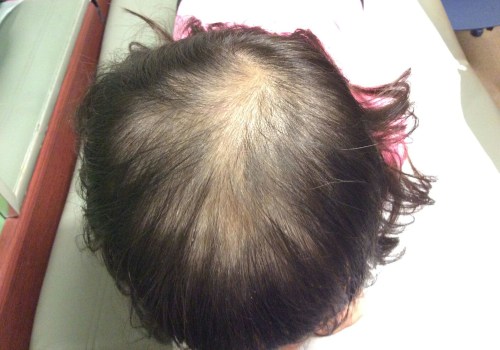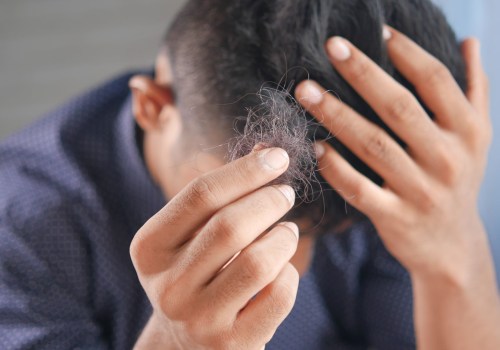
In today's fast-paced world, the issue of hair loss has become increasingly prevalent, affecting individuals of all ages and backgrounds. Whether due to genetics, stress, hormonal changes, or environmental factors, the quest for effective hair restoration solutions is more important than ever. Understanding the underlying causes of hair loss is crucial in addressing this concern and finding the right approach to promote healthy hair growth. Among the various methods available, serums and oils have emerged as powerful allies in the fight against thinning hair. These products are specifically formulated to nourish the scalp and stimulate hair follicles, creating an optimal environment for new growth.
By incorporating essential nutrients and botanical extracts, serums and oils not only help to restore lost vitality but also enhance the overall health and appearance of your hair. Moreover, the effectiveness of these products lies in their ability to penetrate deeply into the scalp, delivering vital ingredients directly where they are needed most. This targeted approach can significantly improve blood circulation, ensuring that hair follicles receive adequate nourishment. As a result, users often experience not just improved hair density but also enhanced texture and shine. As we delve deeper into the world of hair restoration , it becomes evident that a comprehensive understanding of serums and oils is essential. By exploring their unique properties and benefits, individuals can make informed choices tailored to their specific hair needs.
Join us as we uncover the transformative potential of these products and how they can play a pivotal role in your journey toward fuller, healthier hair.
The Science Behind Hair Growth
Understanding the biological processes of hair growth is essential for anyone looking to enhance their hair restoration journey. Hair growth is not a simple process; it involves a complex cycle and is influenced by various factors.The Hair Growth Cycle
The hair growth cycle consists of three main phases: anagen, catagen, and telogen.- Anagen Phase: This is the active growth phase, lasting anywhere from 2 to 7 years. During this time, hair follicles are actively producing new cells, leading to hair lengthening. The duration of this phase can vary significantly among individuals and is influenced by genetics.
- Catagen Phase: Lasting about 2 to 3 weeks, this transitional phase occurs when hair growth slows down.
The hair follicle shrinks, and the lower part of the hair strand detaches from the blood supply, preparing for eventual shedding.
- Telogen Phase: This resting phase lasts around 3 months. At this point, the hair is no longer growing but remains in the follicle until it eventually falls out. After shedding, the cycle begins anew with the anagen phase.
Factors Affecting Hair Growth
Several factors can influence the efficiency and health of hair growth:- Genetics: Your genetic makeup plays a significant role in determining your hair type, density, and growth rate. Conditions like androgenetic alopecia (pattern baldness) are hereditary.
- Hormones: Hormonal changes can significantly impact hair growth.
For instance, fluctuations in hormones during pregnancy or menopause can lead to temporary hair loss or changes in texture.
- Nutrition: A balanced diet rich in vitamins and minerals is crucial for healthy hair. Nutrients such as biotin, zinc, and vitamins A and E support follicle health and promote growth.
- Scalp Health: A healthy scalp environment is vital for optimal hair growth. Conditions like dandruff or scalp psoriasis can hinder the growth process by affecting follicle function.
- Lifestyle Factors: Stress, lack of sleep, and poor lifestyle choices can negatively impact hair health. Chronic stress can lead to telogen effluvium, a condition where more hairs than usual enter the telogen phase.
These products can nourish the scalp and follicles, potentially enhancing each phase of the hair growth cycle.
Types of Serums and Oils for Hair Restoration
When it comes to hair restoration, understanding the various types of serums and oils available can significantly enhance your hair care routine. Each product offers unique properties that cater to different hair needs, making it essential to choose wisely based on your specific concerns.Essential Oils
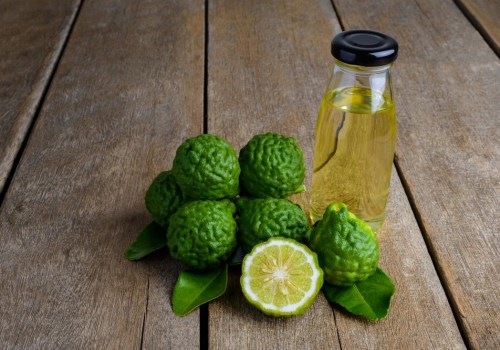
Essential oils are concentrated plant extracts known for their therapeutic properties. They can be particularly effective in promoting hair growth and improving scalp health. Some popular essential oils for hair restoration include:- Lavender Oil: Renowned for its calming scent, lavender oil also promotes blood circulation in the scalp, which can stimulate hair follicles and encourage growth.
- Rosemary Oil: This oil is celebrated for its ability to improve cellular generation.
Studies suggest that rosemary oil may be as effective as minoxidil, a common hair growth treatment.
- Peppermint Oil: Known for its invigorating scent, peppermint oil increases blood flow to the scalp, which can help in revitalizing hair follicles.
Carrier Oils
Carrier oils serve as a base for essential oils and are crucial for diluting them before application. They also provide their own benefits:- Argan Oil: Rich in vitamins A and E, argan oil nourishes the scalp and strengthens hair strands, making it an excellent choice for those looking to restore damaged hair.
- Coconut Oil: This versatile oil penetrates the hair shaft effectively, providing deep hydration and reducing protein loss, which is vital for maintaining healthy hair.
- Castor Oil: Known for its high ricinoleic acid content, castor oil enhances blood circulation to the scalp and is particularly beneficial for those with thinning hair.
Hair Growth Serums
Hair growth serums are specially formulated products designed to target specific issues such as thinning or damaged hair. They often contain a blend of active ingredients that work synergistically to promote restoration:- Peptide-Infused Serums: These serums contain peptides that help stimulate collagen production, strengthening the hair structure and promoting growth.
- Amino Acid Serums: Amino acids are the building blocks of proteins and are essential for healthy hair. These serums help repair damage and improve overall hair texture.
- Nourishing Serums: Formulated with vitamins and botanical extracts, these serums provide essential nutrients that support scalp health and enhance hair vitality.
By understanding the unique benefits of each type, you can tailor your approach to meet your individual needs effectively.
Essential Oils: Nature's Powerhouses for Hair Growth
Essential oils have gained significant attention in the realm of hair care, particularly for their potential to promote hair growth. These concentrated plant extracts are not only fragrant but also packed with nutrients that can invigorate the scalp and enhance hair health. Below, we explore some of the most effective essential oils for hair growth, their benefits, and how to incorporate them into your hair care routine.Popular Essential Oils for Hair Growth
- Lavender Oil: Known for its calming properties, lavender oil also promotes hair growth by improving blood circulation to the scalp. Its antimicrobial properties help maintain a healthy scalp environment.
- Rosemary Oil: This oil is renowned for its ability to stimulate hair follicles and improve circulation.
Studies suggest that rosemary oil may be as effective as minoxidil, a common hair loss treatment.
- Peppermint Oil: The menthol in peppermint oil provides a cooling sensation that increases blood flow to the scalp. This invigorating oil can help promote thicker and healthier hair.
- Tea Tree Oil: With its antifungal and antibacterial properties, tea tree oil helps keep the scalp clean and free from buildup, which can hinder hair growth.
- Cedarwood Oil: This oil is believed to balance the oil-producing glands in the scalp and has been shown to promote hair growth by increasing circulation.
Benefits of Using Essential Oils
The benefits of incorporating essential oils into your hair care routine extend beyond just promoting growth. Here are some key advantages:- Nourishment: Essential oils are rich in vitamins and minerals that nourish the scalp and strengthen hair strands.
- Scalp Health: Many essential oils possess antimicrobial properties that help maintain a clean and healthy scalp, reducing issues like dandruff and irritation.
- Stress Relief: The aromatic qualities of essential oils can help reduce stress levels, which is crucial since stress is a known factor in hair loss.
How to Use Essential Oils for Hair Growth
To effectively use essential oils for promoting hair growth, follow these steps:- Select Your Oils: Choose one or more essential oils based on your specific needs. For instance, if you’re looking for stimulation, rosemary or peppermint might be ideal.
- Dilute Properly: Essential oils are potent and should always be diluted with a carrier oil (like coconut or jojoba oil) before application.
A good rule of thumb is to mix 2-3 drops of essential oil with a tablespoon of carrier oil.
- Apply to Scalp: Use your fingertips to gently massage the diluted mixture into your scalp. This not only helps distribute the oil but also stimulates blood flow.
- Leave It In: Allow the mixture to sit on your scalp for at least 30 minutes before washing it out with a mild shampoo. For best results, consider leaving it overnight.
Carrier Oils: Nourishing Your Scalp and Strands
Carrier oils play a crucial role in hair care, especially when it comes to enhancing the benefits of essential oils.These oils serve as a base, diluting the potency of essential oils while providing their own nourishing properties to the scalp and hair. Here, we will explore some of the best carrier oils for hair growth, their unique benefits, and how to effectively use them.
Best Carrier Oils for Hair Growth
- Jojoba Oil: This oil closely resembles the natural sebum produced by our scalp, making it an excellent choice for moisturizing without clogging pores. Jojoba oil helps balance oil production and can promote a healthy scalp environment.
- Argan Oil: Rich in vitamin E and fatty acids, argan oil is known for its ability to hydrate and nourish hair. It helps improve elasticity, reduce frizz, and protect against damage from heat styling.
- Coconut Oil: Renowned for its deep conditioning properties, coconut oil penetrates the hair shaft effectively.
It helps reduce protein loss, making hair stronger and less prone to breakage.
- Castor Oil: This thick oil is packed with ricinoleic acid, which promotes blood circulation in the scalp. Castor oil is particularly beneficial for those experiencing thinning hair as it can stimulate hair follicles and encourage growth.
- Olive Oil: A staple in many kitchens, olive oil is also a fantastic carrier oil for hair care. It provides moisture and nourishment while helping to strengthen hair strands and prevent split ends.
How to Use Carrier Oils
Using carrier oils effectively can maximize their benefits for your hair. Here’s a simple guide on how to incorporate them into your hair care routine:- Select Your Carrier Oil: Choose one or a combination of carrier oils based on your specific hair needs.
- Mix with Essential Oils: If you’re using essential oils, mix a few drops with your chosen carrier oil.
A common ratio is 2-3 drops of essential oil per tablespoon of carrier oil.
- Application: Apply the mixture directly to your scalp using your fingertips. Massage gently in circular motions to stimulate blood flow.
- Leave-In Time: Allow the oil to sit on your scalp for at least 30 minutes. For deeper conditioning, consider leaving it overnight.
- Wash Out: Rinse thoroughly with a mild shampoo to remove excess oil. Follow up with your regular conditioner for added moisture.
By choosing the right oils and using them correctly, you can create a personalized treatment that supports robust hair growth and vitality.
Specialized Serums: Targeting Specific Hair Concerns
When it comes to hair care, not all serums are created equal. Specialized serums are formulated to address specific hair concerns, making them an essential part of any hair restoration regimen. Whether you're dealing with thinning hair, damage from heat styling, or environmental stressors, there’s a serum tailored to meet your needs.Serums for Thinning Hair
Thinning hair can be a distressing issue for many individuals. Specialized serums designed for this concern often contain ingredients that promote blood circulation to the scalp and stimulate hair follicles.Look for serums that include:
- Minoxidil: A well-known ingredient that helps to revitalize hair follicles and encourage new growth.
- Biotin: Essential for keratin production, biotin strengthens hair and reduces breakage.
- Caffeine: This stimulant can enhance blood flow to the scalp, promoting healthier hair growth.
Best Serums for Damaged Hair
For those struggling with damaged hair due to chemical treatments or excessive heat styling, specialized serums can provide much-needed repair. These formulations typically focus on restoring moisture and repairing the hair shaft. Key ingredients to look for include:- Keratin: A protein that helps to rebuild the structure of damaged hair, making it stronger and more resilient.
- Argan Oil: Rich in fatty acids and antioxidants, argan oil nourishes and hydrates the hair while providing a protective barrier against further damage.
- Amino Acids: These building blocks of protein help to repair and strengthen the hair from within.
How to Use Serums and Oils Effectively
To achieve optimal results from your hair serums and oils, proper application is crucial.Here’s a comprehensive guide on how to effectively use these products for maximum hair restoration benefits.
Preparation Before Application
Before applying any serum or oil, it’s essential to prepare your hair and scalp:- Cleanse Your Hair: Start with clean hair. Use a gentle shampoo to remove any buildup of products or oils that may hinder absorption.
- Towel Dry: After washing, gently towel dry your hair to remove excess water. This helps the serum or oil penetrate better.
- Detangle: Use a wide-tooth comb to detangle your hair, ensuring that the product can be evenly distributed.
Application Techniques
Once your hair is prepped, follow these steps for effective application:- Choose the Right Product: Select a serum or oil that suits your specific hair type and needs. For instance, if you have dry hair, opt for a hydrating oil like argan or coconut oil.
- Use the Right Amount: Start with a small amount—typically 2-4 drops for serums and a teaspoon for oils.
You can always add more if needed.
- Apply to Scalp: Using your fingertips, apply the product directly onto your scalp. Focus on areas where you notice thinning or hair loss. Gently massage in circular motions to stimulate blood circulation.
- Distribute Through Hair: After massaging the scalp, work the product through the lengths of your hair. Use your fingers or a comb to ensure even distribution from roots to tips.
- Leave It In: Allow the serum or oil to sit for at least 30 minutes before rinsing it out.
For deeper penetration, consider leaving it in overnight and washing it out in the morning.
Frequency of Use
The frequency of application can vary based on the product and your hair's needs:- Serums: Generally, using serums 2-3 times a week is sufficient for most people.
- Oils: Oils can be used more frequently; some individuals may benefit from daily application, especially if they have very dry or damaged hair.
Complementary Practices for Optimal Hair Growth
While serums and oils play a crucial role in promoting hair growth, adopting a holistic approach that includes lifestyle changes can significantly enhance the effectiveness of these products. Here are some complementary practices that can support optimal hair restoration.Diet for Healthy Hair
Your diet is fundamental to the health of your hair. Consuming a balanced diet rich in essential nutrients can provide your hair with the building blocks it needs to grow strong and healthy.Here are some key nutrients to focus on:
- Protein: Hair is primarily made of protein, so incorporating adequate amounts of lean meats, fish, eggs, and legumes into your diet is vital.
- Omega-3 Fatty Acids: Found in fatty fish like salmon, walnuts, and flaxseeds, omega-3s help nourish hair follicles and promote scalp health.
- Vitamins: Vitamins A, C, D, and E are essential for hair growth. Leafy greens, nuts, seeds, and fruits can help you meet your vitamin needs.
- Minerals: Iron and zinc are crucial for maintaining healthy hair. Foods like spinach, lentils, and pumpkin seeds can boost your mineral intake.
Stress Management and Hair Health
Stress is often an overlooked factor that can contribute to hair loss. High levels of stress can disrupt the hair growth cycle, leading to increased shedding.Implementing stress management techniques can be beneficial for both your mental well-being and your hair health. Consider the following strategies:
- Meditation: Practicing mindfulness or meditation can help reduce stress levels and promote relaxation.
- Regular Exercise: Engaging in physical activity not only improves overall health but also boosts endorphins, which can help alleviate stress.
- Sufficient Sleep: Aim for 7-9 hours of quality sleep each night. Sleep is essential for cellular repair and regeneration, including the cells in your scalp.
- Hobbies: Engaging in activities you enjoy can serve as a great outlet for stress relief.
Common Myths About Hair Restoration Products
When it comes to hair restoration, there are numerous myths and misconceptions that can cloud judgment and lead to ineffective choices.Understanding the truth behind these myths is essential for anyone looking to enhance their hair growth journey.
- Myth 1: Hair Restoration Products Work Overnight
Many people believe that applying a serum or oil will yield immediate results. In reality, hair restoration is a gradual process. Most products require consistent use over weeks or even months to show noticeable improvements in hair thickness and growth. - Myth 2: All Hair Growth Products Are the Same
Not all serums and oils are created equal. Different products contain varying ingredients tailored to specific hair types and concerns.For instance, while some may focus on hydration, others might target strengthening or stimulating hair follicles. It’s crucial to choose a product that aligns with your individual needs.
- Myth 3: Natural Oils Are Always Better
While natural oils like coconut and argan oil have beneficial properties, they may not be sufficient for everyone. Some individuals may require specialized serums containing active ingredients like peptides or minoxidil for effective hair restoration. It’s important to assess your unique situation before opting for a purely natural solution. - Myth 4: Hair Restoration Products Can Cure Baldness
Many people mistakenly believe that serums and oils can completely reverse baldness.While these products can promote hair growth and improve the health of existing hair, they cannot regenerate hair follicles that have been permanently lost due to genetic factors or severe damage.
- Myth 5: You Only Need to Apply Products Once a Week
For optimal results, consistency is key. Many serums and oils are designed for daily use or several times a week. Skipping applications can hinder progress and delay the desired outcomes.
Conclusion: Embracing a Comprehensive Approach to Hair Restoration
In conclusion, the journey towards effective hair restoration is multifaceted, requiring a blend of targeted treatments and holistic lifestyle choices.Throughout this article, we have explored the significant role that serums and oils play in promoting hair growth and enhancing overall hair health. These products are not merely cosmetic; they are essential tools that can nourish the scalp, strengthen hair follicles, and mitigate the effects of environmental stressors. To recap, the use of serums and oils should be viewed as part of a comprehensive strategy for hair restoration. Here are some key takeaways:
- Understanding Product Types: Different serums and oils serve unique purposes. From essential oils like rosemary and lavender to nutrient-rich options such as argan and castor oil, each product offers distinct benefits that cater to various hair types and concerns.
- Application Techniques: Proper application is crucial for maximizing the effectiveness of these products.
Massaging serums and oils into the scalp not only enhances absorption but also stimulates blood circulation, which is vital for healthy hair growth.
- Complementary Practices: While serums and oils are powerful allies in your hair restoration journey, they work best when combined with a balanced diet rich in vitamins and minerals, regular exercise to boost circulation, adequate sleep for cellular repair, and stress management techniques.