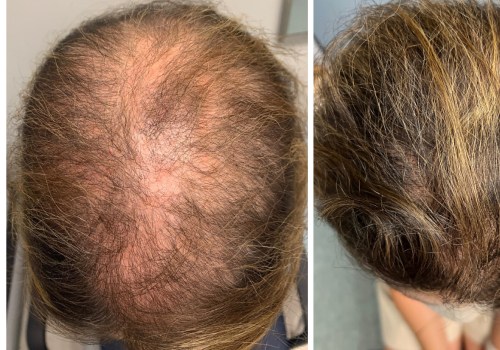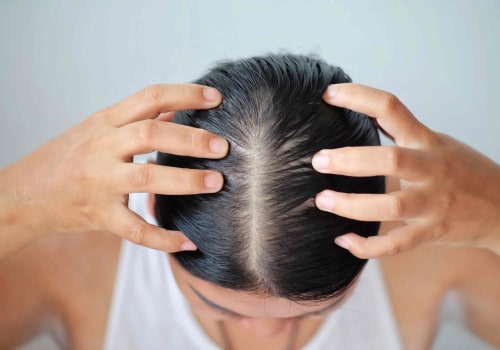
In the quest for vibrant, healthy hair, the concept of hair restoration has gained significant attention. Many individuals are unaware that the foundation of robust hair growth lies not just in the strands themselves but in the health of the scalp. A well-maintained scalp is crucial for creating an optimal environment for hair follicles to thrive. When we talk about scalp health , we refer to a clean, nourished, and balanced scalp that can support hair growth effectively. Understanding the intricate relationship between scalp care and hair growth is essential for anyone looking to restore their hair's vitality.
The scalp is often overlooked in traditional hair care routines, yet it plays a pivotal role in determining the overall health of your hair. Factors such as product buildup, excess oil, and dead skin cells can clog hair follicles, leading to issues like thinning hair and even hair loss. Therefore, prioritizing scalp care through methods like exfoliation and deep cleaning can significantly enhance your chances of achieving fuller, healthier hair. The benefits of maintaining a healthy scalp extend beyond mere aesthetics. A clean and well-cared-for scalp can improve blood circulation, which is vital for delivering essential nutrients to hair follicles.
This nutrient-rich environment fosters stronger hair growth and can even help in reversing some forms of hair loss. By incorporating effective scalp care techniques into your routine, you not only promote hair growth but also enhance the overall health and appearance of your hair. As we delve deeper into the world of hair restoration, it becomes clear that understanding how to care for your scalp is a fundamental step in this journey. From exfoliation techniques to deep cleaning methods, each approach offers unique benefits that contribute to a healthier scalp and, consequently, healthier hair. Embracing these practices can set you on a path toward revitalizing your locks and restoring your confidence.
The Importance of Scalp Health in Hair Restoration
Maintaining a healthy scalp is essential for effective hair restoration.The scalp serves as the foundation for hair growth, and its condition directly influences the health of hair follicles. When the scalp is compromised by issues such as dryness, excess oil, or inflammation, it can hinder hair growth and lead to hair loss. One of the primary factors affecting scalp health is the presence of sebum , the natural oil produced by sebaceous glands. While sebum is necessary for keeping the scalp moisturized, an overproduction can lead to clogged pores, which may suffocate hair follicles and impede their ability to produce healthy hair. Conversely, a dry scalp can result in flakiness and irritation, creating an environment that is not conducive to hair growth. Additionally, conditions such as seborrheic dermatitis , psoriasis, and fungal infections can severely impact scalp health.
These conditions often lead to inflammation and irritation, which can disrupt the normal hair growth cycle. Addressing these issues through proper scalp care is crucial for restoring a healthy environment for hair follicles. Moreover, a healthy scalp promotes better blood circulation. Improved circulation ensures that hair follicles receive adequate nutrients and oxygen, which are vital for robust hair growth. Techniques such as gentle scalp massages can enhance blood flow, stimulating the follicles and encouraging new hair growth. To foster a healthy scalp environment, consider incorporating the following practices into your routine:
- Regular Exfoliation: Exfoliating the scalp helps remove dead skin cells and product buildup that can clog pores.
- Hydration: Keeping the scalp hydrated with appropriate moisturizers or oils can prevent dryness and irritation.
- Balanced Diet: Consuming a diet rich in vitamins and minerals supports overall scalp health.
Nutrients like zinc, biotin, and omega-3 fatty acids are particularly beneficial.
- Avoiding Harsh Chemicals: Using gentle shampoos free from sulfates and parabens helps maintain the natural balance of oils on the scalp.
What is Scalp Exfoliation?
Scalp exfoliation is the process of removing dead skin cells, excess oil, and product buildup from the scalp. This practice is essential for maintaining a healthy scalp environment, which is crucial for hair restoration and overall hair health. By regularly exfoliating the scalp, individuals can promote better circulation, enhance product absorption, and create a more conducive environment for hair growth. The significance of scalp exfoliation in the context of hair restoration cannot be overstated.A clean and well-maintained scalp allows hair follicles to function optimally. When dead skin cells accumulate, they can clog hair follicles, leading to issues such as dandruff, irritation, and even hair loss. By incorporating scalp exfoliation into your hair care routine, you can help prevent these problems and support the natural growth cycle of your hair.
Benefits of Scalp Exfoliation
- Unclogs Hair Follicles: Regular exfoliation helps to clear away debris that can block hair follicles, allowing for healthier hair growth.
- Stimulates Blood Circulation: The act of exfoliating increases blood flow to the scalp, which nourishes hair follicles and promotes stronger hair.
- Enhances Product Efficacy: By removing buildup from styling products and oils, exfoliation allows treatments and conditioners to penetrate more effectively.
- Reduces Scalp Issues: Exfoliating can help alleviate common scalp problems such as itchiness, flakiness, and irritation by keeping the scalp clean and balanced.
- Improves Scalp Health: A healthy scalp is less prone to infections and other issues that can hinder hair growth.
How to Exfoliate Your Scalp
Exfoliating your scalp can be done using various methods. Here are some effective techniques:- Physical Exfoliation: Use a gentle scrub or a soft-bristled brush designed for the scalp.
Apply the scrub in circular motions to effectively remove dead skin cells.
- Chemical Exfoliation: Products containing alpha-hydroxy acids (AHAs) or beta-hydroxy acids (BHAs) can help dissolve dead skin without physical scrubbing.
- DIY Treatments: Natural ingredients like sugar or sea salt mixed with oils (such as coconut or olive oil) can create an effective homemade scrub.
Benefits of Scalp Exfoliation for Hair Regrowth
Scalp exfoliation is a crucial practice for anyone looking to enhance their hair regrowth journey. By removing dead skin cells and impurities, this process offers a multitude of benefits that can significantly impact the health of your scalp and hair. Here are some of the key advantages:- Improved Blood Circulation: One of the primary benefits of scalp exfoliation is the stimulation of blood flow to the hair follicles.
When you exfoliate, you not only remove buildup but also encourage circulation in the scalp. Enhanced blood flow means that more oxygen and nutrients are delivered to the hair follicles, which can promote stronger and healthier hair growth.
- Unclogging Hair Follicles: Over time, dead skin cells, excess oil, and product residue can accumulate on the scalp, leading to clogged hair follicles. This blockage can hinder hair growth and contribute to issues like dandruff or scalp irritation. Regular exfoliation helps to clear these obstructions, allowing hair to grow freely and reducing the risk of follicle-related problems.
- Enhanced Product Absorption: After exfoliating, your scalp is primed for better absorption of hair care products.
When dead skin cells are removed, treatments such as serums, oils, and conditioners can penetrate deeper into the scalp. This increased absorption means that your products can work more effectively, delivering essential nutrients directly where they are needed most.
- Reduction of Scalp Irritation: A clean scalp is less prone to irritation and inflammation. Exfoliation helps to remove allergens and irritants that may be trapped in the skin, leading to a calmer scalp environment. This is particularly beneficial for individuals with sensitive skin or those prone to conditions like psoriasis or seborrheic dermatitis.
- Improved Scalp Health: Regular exfoliation contributes to overall scalp health by maintaining a balanced environment.
A healthy scalp is less likely to experience issues such as excessive dryness or oiliness, both of which can negatively affect hair growth. By keeping your scalp in optimal condition, you create a foundation for robust hair regrowth.
Techniques for Effective Scalp Exfoliation
Exfoliating the scalp is a crucial step in promoting healthy hair regrowth. By removing dead skin cells and buildup, you can enhance circulation and create an optimal environment for hair growth.Here are some effective techniques for scalp exfoliation that you can easily incorporate into your hair care routine.
1.DIY Scalp Scrubs
Creating your own scalp scrub at home can be both fun and beneficial. Here are a couple of simple recipes:- Brown Sugar and Olive Oil Scrub: Mix 2 tablespoons of brown sugar with 2 tablespoons of olive oil. The brown sugar acts as a natural exfoliant, while the olive oil moisturizes the scalp. Gently massage this mixture onto your scalp in circular motions for about 5-10 minutes before rinsing thoroughly.
- Coconut Oil and Sea Salt Scrub: Combine 2 tablespoons of coconut oil with 1 tablespoon of sea salt.
This scrub not only exfoliates but also nourishes the scalp with the hydrating properties of coconut oil. Apply it to your scalp, massage gently, and leave it on for 10 minutes before washing it out.
2.Commercial Exfoliating Products
If you prefer ready-made solutions, there are numerous commercial products designed specifically for scalp exfoliation. Look for scrubs that contain natural ingredients like:- Charcoal: Known for its detoxifying properties, charcoal helps draw out impurities from the scalp.
- AHA/BHA: Alpha hydroxy acids (AHAs) and beta hydroxy acids (BHAs) can effectively dissolve dead skin cells and promote cell turnover.
- Tea Tree Oil: This essential oil has antifungal and antibacterial properties, making it excellent for maintaining a healthy scalp.
3.Professional Treatments
If you're looking for more intensive options, consider professional treatments such as:- Microdermabrasion: This treatment uses tiny crystals to exfoliate the scalp deeply, removing dead skin cells and promoting blood circulation.
- Chemical Peels: A dermatologist can apply a chemical solution to exfoliate the scalp effectively, helping to clear away buildup and improve overall scalp health.
Deep Cleaning Your Scalp: Why It Matters
Deep cleaning your scalp is a crucial step in fostering an optimal environment for hair growth.Over time, our scalps accumulate dirt, excess oils, dead skin cells, and product buildup, which can hinder hair follicles and lead to various scalp issues. By incorporating deep cleaning into your hair care routine, you can significantly enhance the health of your scalp and promote better hair restoration.
Understanding Deep Cleaning
Deep cleaning involves using specialized products and techniques to thoroughly cleanse the scalp. This process goes beyond regular washing with shampoo; it targets impurities that can clog hair follicles and disrupt the natural balance of the scalp. A clean scalp is essential for healthy hair growth, as it allows for better absorption of nutrients and treatments.
Benefits of Deep Cleaning
- Unclogs Hair Follicles: Regular deep cleaning helps remove debris that can block hair follicles, allowing for healthier hair growth.
- Reduces Scalp Irritation: By eliminating buildup from styling products and excess oils, deep cleaning can alleviate itching and flaking.
- Enhances Product Efficacy: A clean scalp allows treatments and conditioners to penetrate more effectively, maximizing their benefits.
- Improves Scalp Health: Deep cleaning promotes a balanced scalp environment, reducing the risk of conditions like dandruff or seborrheic dermatitis.
Products for Deep Cleaning
The most common product used for deep cleaning is a clarifying shampoo.
These shampoos are formulated to remove heavy buildup from products that regular shampoos may not effectively cleanse. When using a clarifying shampoo, it’s important to follow these steps:
- Wet your hair thoroughly.
- Apply a generous amount of clarifying shampoo to your scalp.
- Massage gently in circular motions to ensure even distribution.
- Leave the shampoo on for 1-2 minutes before rinsing thoroughly.
- Apply the mask directly onto your scalp, ensuring even coverage.
- Leave it on for 10-15 minutes to allow the ingredients to work.
- Rinse thoroughly with warm water.
Remember that while deep cleaning is essential, it should be balanced with gentle cleansing methods to avoid stripping the scalp of its natural oils.
How to Deep Clean Your Scalp Effectively
Deep cleaning your scalp is an essential part of maintaining healthy hair and promoting hair restoration. This process helps to remove buildup from products, excess oils, and impurities that can clog hair follicles and hinder growth. Here’s a detailed guide on how to effectively deep clean your scalp using clarifying shampoos and scalp masks.Using Clarifying Shampoo
Clarifying shampoos are specifically formulated to provide a deep cleanse, making them ideal for removing stubborn residue. Follow these steps for optimal results:- Choose the Right Product: Look for a clarifying shampoo that is sulfate-free and designed for your hair type.
Avoid those with harsh chemicals that can strip your scalp of natural oils.
- Wet Your Hair: Start by thoroughly wetting your hair and scalp with warm water. This helps to open up the pores and prepares your scalp for cleansing.
- Apply the Shampoo: Take a generous amount of clarifying shampoo and apply it directly to your scalp. Use your fingertips to gently massage it in, focusing on areas where product buildup is most prevalent.
- Let It Sit: Allow the shampoo to sit on your scalp for 1-2 minutes. This gives it time to break down any remaining residue.
- Rinse Thoroughly: Rinse your hair thoroughly with cool water to remove all traces of the shampoo.
Cool water helps to close the pores, sealing in moisture.
Applying a Scalp Mask
A scalp mask can provide additional nourishment while detoxifying the scalp. Here’s how to apply one effectively:- Select a Suitable Mask: Choose a scalp mask that contains beneficial ingredients such as kaolin clay, apple cider vinegar, or tea tree oil, which are known for their cleansing properties.
- Prepare Your Scalp: Before applying the mask, ensure your hair is clean and slightly damp. This helps the mask adhere better and penetrate deeper.
- Apply Evenly: Using your fingers or a brush, apply the mask directly onto your scalp in sections. Make sure to cover all areas evenly.
- Leave It On: Allow the mask to sit for 10-15 minutes.
This duration allows the active ingredients to work effectively on your scalp.
- Rinse Well: After the time is up, rinse out the mask thoroughly with lukewarm water. Follow up with a gentle conditioner if needed.
Frequency of Deep Cleaning
: It’s important not to overdo it; deep cleaning should be done once a week or every two weeks depending on your hair type and lifestyle. Overuse can lead to dryness or irritation, so listen to your scalp's needs. By incorporating these steps into your hair care routine, you can ensure that your scalp remains clean and healthy, paving the way for effective hair restoration.
Maintaining Healthy Hair Regrowth: Lifestyle Tips
Achieving and maintaining healthy hair regrowth is not solely about topical treatments; it also heavily relies on lifestyle choices. A holistic approach that includes a balanced diet, proper hydration, and effective stress management can significantly enhance your hair restoration efforts.Healthy Diet for Hair Growth
Your diet plays a crucial role in the health of your hair.Consuming a variety of nutrient-rich foods can provide your body with the essential vitamins and minerals needed for optimal hair growth. Here are some key nutrients to focus on:
- Protein: Hair is primarily made of protein, so incorporating adequate amounts of lean meats, fish, eggs, legumes, and nuts is vital.
- Iron: This mineral helps carry oxygen to hair follicles. Foods rich in iron include spinach, lentils, and red meat.
- Zinc: Essential for hair tissue growth and repair, zinc can be found in pumpkin seeds, chickpeas, and whole grains.
- Vitamins A and C: These vitamins support sebum production and collagen formation, respectively. Include carrots, sweet potatoes, citrus fruits, and berries in your diet.
- B-Vitamins: Biotin (B7) is particularly important for hair health.
Eggs, avocados, and whole grains are excellent sources.
Hydration: The Key to Healthy Hair
Staying hydrated is another essential aspect of maintaining healthy hair. Water helps transport nutrients to your hair follicles and keeps your scalp hydrated. Aim to drink at least 8 glasses of water a day. Additionally, incorporating hydrating foods like cucumbers, oranges, and watermelon can further support your hydration efforts.Stress Management Techniques
Chronic stress can lead to hair loss by disrupting the hair growth cycle.Implementing stress management techniques can be beneficial for both your mental well-being and your hair health. Consider the following strategies:
- Meditation: Practicing mindfulness or meditation can help reduce stress levels.
- Regular Exercise: Physical activity boosts endorphins and improves blood circulation, which can benefit your scalp.
- Sufficient Sleep: Aim for 7-9 hours of quality sleep each night to allow your body to recover and regenerate.
Common Mistakes to Avoid in Scalp Care
When it comes to scalp care, many individuals unknowingly make mistakes that can hinder their efforts in achieving optimal hair restoration. Understanding these common pitfalls is essential for anyone looking to improve their scalp health and promote hair regrowth.- Over-Exfoliating the Scalp: One of the most prevalent mistakes is over-exfoliating the scalp.
While exfoliation is crucial for removing dead skin cells and unclogging hair follicles, doing it too frequently can lead to irritation, redness, and even inflammation. It’s recommended to limit scalp exfoliation to once or twice a week, allowing your scalp time to recover and maintain its natural balance.
- Using Harsh Products: Another common error is selecting the wrong products for scalp care. Many people opt for shampoos and treatments laden with sulfates, parabens, and artificial fragrances, which can strip the scalp of its natural oils. Instead, look for gentle, sulfate-free formulas that are specifically designed for scalp health.
Ingredients like tea tree oil, aloe vera, and chamomile can provide soothing benefits without causing damage.
- Neglecting Scalp Hydration: Just as the hair needs moisture, so does the scalp. A common mistake is overlooking the importance of hydration. Failing to use a nourishing scalp treatment or oil can lead to dryness and flakiness, which may exacerbate hair loss. Incorporating a hydrating scalp serum or oil into your routine can help maintain moisture levels and support a healthy environment for hair growth.
- Ignoring Scalp Sensitivity: Many individuals do not pay attention to their scalp's sensitivity.
If you experience itching, burning, or discomfort after using certain products, it’s crucial to reassess your choices. Opt for hypoallergenic products and perform patch tests before fully incorporating new items into your routine.
- Inconsistent Routine: Consistency is key in any hair restoration regimen. Skipping treatments or failing to follow a regular cleansing schedule can lead to product buildup and an unhealthy scalp environment. Establishing a consistent routine that includes gentle cleansing, exfoliation, and hydration will yield better results over time.
By being mindful of how you treat your scalp and choosing the right products, you can create an optimal environment for healthy hair growth.
<strong>FAQs about Scalp Exfoliation and Deep Cleaning</strong>
Scalp exfoliation and deep cleaning are essential practices for anyone looking to enhance their hair restoration journey. However, many people have questions about these techniques. Here are some frequently asked questions that can help clarify the process and its benefits.What is scalp exfoliation?
Scalp exfoliation is the process of removing dead skin cells, excess oil, and product buildup from the scalp. This can be achieved through physical methods, such as using a scrub or brush, or chemical methods, like using exfoliating shampoos or treatments.The goal is to promote a healthier scalp environment that encourages hair growth.
How often should I exfoliate my scalp?
It is generally recommended to exfoliate your scalp once or twice a week. Over-exfoliating can lead to irritation, dryness, and damage to the scalp. Pay attention to how your scalp responds and adjust the frequency accordingly.Can I use regular body scrubs for my scalp?
No, it’s best to use products specifically formulated for the scalp. Regular body scrubs may contain ingredients that can irritate the sensitive skin on your scalp.Look for products that are designed to be gentle yet effective for scalp care.
What are the benefits of deep cleaning my scalp?
Deep cleaning your scalp helps remove impurities such as dirt, oil, and product buildup that can clog hair follicles. This process not only promotes a healthier environment for hair growth but also enhances the effectiveness of other hair treatments by allowing them to penetrate more deeply into the scalp.What products should I use for deep cleaning?
For deep cleaning, consider using a clarifying shampoo that is free from harsh chemicals. Additionally, incorporating a nourishing scalp mask can provide hydration and detoxification. Look for masks containing natural ingredients like clay or apple cider vinegar for optimal results.Is it safe to use chemical exfoliants on my scalp?
Chemical exfoliants can be safe when used correctly.However, it’s crucial to choose products specifically designed for the scalp and follow the instructions carefully. If you have sensitive skin or any existing conditions, consult with a dermatologist before trying chemical exfoliants.