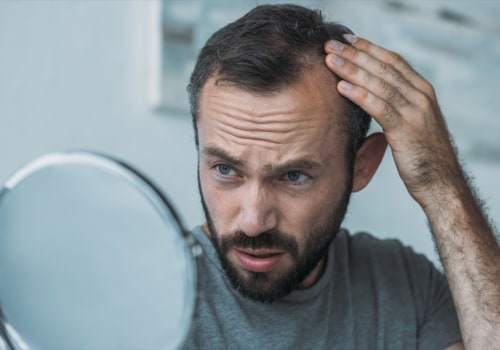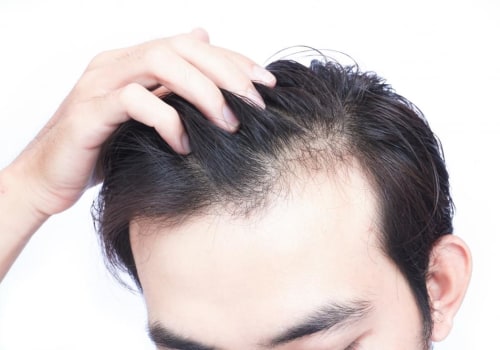
In a world where first impressions often matter, the significance of hair restoration cannot be overstated. Hair is not just a physical attribute; it plays a crucial role in shaping our identity and self-image. For many, a full head of hair symbolizes youth, vitality, and confidence. Conversely, hair loss can lead to feelings of insecurity and diminished self-esteem.
Understanding the importance of hair growth and restoration is essential for anyone looking to enhance their personal grooming routine. The journey of hair restoration goes beyond mere aesthetics; it encompasses emotional well-being and social interactions. When individuals experience hair thinning or loss, they may find themselves avoiding social situations or feeling less confident in professional environments. This emotional toll highlights the need for effective solutions that not only address the physical aspects of hair loss but also restore confidence and improve quality of life. Moreover, the benefits of hair restoration extend beyond just appearance. Healthy hair growth can signify overall well-being, as it often reflects good nutrition and proper scalp care.
Engaging in a hair restoration regimen can encourage individuals to adopt healthier lifestyle choices, such as improved diet and regular exercise, which can further enhance their physical and mental health. As we delve deeper into the world of shampoos designed for promoting hair growth, it becomes clear that these products are not merely cosmetic solutions. They represent a commitment to self-care and personal empowerment. By understanding the various options available for hair restoration , individuals can make informed choices that align with their unique needs and aspirations.
The Science Behind Hair Growth
Understanding the biological processes of hair growth is essential for anyone looking to enhance their hair restoration journey. Hair growth is not merely a cosmetic concern; it is a complex biological process influenced by various factors, including genetics, hormones, and overall health. The hair growth cycle consists of three primary phases: anagen, catagen, and telogen.Each phase plays a crucial role in determining the health and longevity of hair.
Anagen Phase
The anagen phase is the active growth phase of hair follicles. During this time, hair cells divide rapidly, leading to the formation of new hair strands. This phase can last anywhere from two to seven years, depending on individual genetics and health. The longer the anagen phase, the longer the hair can grow.Factors such as nutrition and hormonal balance significantly influence this phase.
Catagen Phase
Following the anagen phase is the catagen phase, which lasts about two to three weeks. During this transitional period, hair growth slows down, and the hair follicle shrinks. This phase is essential as it prepares the hair for shedding. Understanding this phase can help individuals recognize that not all hair loss is permanent; some shedding is a natural part of the cycle.Telogen Phase
The telogen phase is the resting stage that lasts around three months.At this point, the hair is no longer growing but remains attached to the follicle until it eventually falls out. After shedding, a new anagen phase begins as a new hair strand starts to grow in its place. It’s important to note that factors such as stress, hormonal changes, and nutritional deficiencies can disrupt this cycle, leading to premature shedding or thinning. Several factors affect hair growth beyond just the biological cycle. Genetics play a significant role in determining hair density and growth patterns.
Hormonal fluctuations, particularly those related to thyroid function or androgen levels, can also impact hair health. Additionally, lifestyle choices such as diet, exercise, and stress management are crucial for maintaining optimal hair growth. In summary, understanding how hair grows and the phases it undergoes can empower individuals to make informed decisions about their hair care routines. By choosing shampoos formulated with ingredients that support these biological processes, one can enhance their chances of achieving healthier and fuller hair.
Types of Shampoos for Hair Growth
When it comes to promoting hair growth, understanding the different types of shampoos available can significantly impact your results. Each type of shampoo is formulated with specific ingredients and benefits that cater to various hair needs.Below, we explore some of the most popular categories of shampoos designed for hair restoration.
Organic Shampoos
Organic shampoos
are crafted from natural ingredients, free from synthetic chemicals and harsh additives. These shampoos often include a blend of essential oils, herbal extracts, and plant-based ingredients that nourish the scalp and hair follicles. Common components found in organic shampoos include:
- Tea Tree Oil: Known for its antifungal and antibacterial properties, tea tree oil helps maintain a healthy scalp environment.
- Lavender Oil: This soothing oil not only promotes relaxation but also stimulates hair growth by improving blood circulation to the scalp.
- Coconut Oil: Rich in fatty acids, coconut oil penetrates the hair shaft, providing deep hydration and reducing protein loss.
Sulfate-Free Shampoos
Sulfate-free shampoos
have gained popularity due to their gentle cleansing properties. Traditional shampoos often contain sulfates, which are effective at removing dirt and oil but can strip away natural moisture from the scalp and hair.
Sulfate-free options are formulated without these harsh detergents, making them ideal for individuals with sensitive skin or color-treated hair. Benefits of sulfate-free shampoos include:
- Moisture Retention: By preserving the natural oils in your hair, these shampoos help maintain hydration levels, promoting a healthier scalp.
- Reduced Irritation: Sulfate-free formulas are less likely to cause dryness or irritation, making them suitable for those with sensitive scalps.
- Color Protection: For those with dyed hair, sulfate-free shampoos help prevent color fading, allowing your vibrant hues to last longer.
Volumizing Shampoos
Volumizing shampoos
are specifically designed to add body and fullness to fine or thinning hair. These products often contain lightweight ingredients that lift the hair at the roots while providing nourishment. Key features of volumizing shampoos include:
- Nourishing Proteins: Ingredients like keratin and wheat protein strengthen the hair shaft and enhance volume.
- Thickening Agents: Many volumizing formulas include polymers that coat each strand, creating an illusion of thicker hair.
Deep-Conditioning Shampoos
Deep-conditioning shampoos
provide intensive hydration and nourishment to both the scalp and hair follicles.
These products are particularly beneficial for individuals with dry or damaged hair. They typically contain rich emollients such as:
- Aloe Vera: Known for its soothing properties, aloe vera hydrates the scalp while promoting healthy growth.
- Shea Butter: This natural fat is excellent for moisturizing dry strands and preventing breakage.
Key Ingredients to Look For in Hair Growth Shampoos
When searching for shampoos that promote hair growth, understanding the key ingredients can significantly enhance your chances of finding an effective product. Here are some essential components to look for:- Biotin : This B-vitamin is renowned for its role in strengthening hair and promoting growth. Biotin enhances the elasticity of the hair, reducing breakage and improving overall hair health.
Regular use of biotin-infused shampoos can lead to thicker, healthier hair over time.
- Caffeine : Often found in hair growth shampoos, caffeine stimulates blood circulation in the scalp. This increased blood flow can invigorate hair follicles, encouraging them to produce new hair. Additionally, caffeine may help to block the effects of DHT (dihydrotestosterone), a hormone linked to hair loss.
- Keratin : As a natural protein that makes up the structure of hair, keratin is vital for maintaining strength and resilience. Shampoos containing keratin can help repair damaged strands, reduce frizz, and improve overall texture, making hair appear fuller and healthier.
- Niacin (Vitamin B3) : Niacin improves blood circulation to the scalp and helps in delivering essential nutrients to hair follicles.
This vitamin also aids in maintaining moisture levels in the scalp, which is crucial for healthy hair growth.
- Saw Palmetto : This natural extract is known for its ability to inhibit DHT production. By reducing DHT levels, saw palmetto can help prevent hair thinning and promote a healthier scalp environment conducive to growth.
- Aloe Vera : Renowned for its soothing properties, aloe vera helps maintain a healthy scalp by reducing irritation and inflammation. Its moisturizing qualities also prevent dryness, which can lead to breakage.
- Essential Oils : Oils such as rosemary, peppermint, and lavender not only provide a pleasant fragrance but also stimulate blood flow to the scalp. These oils can nourish hair follicles and promote healthy growth while providing a calming effect on the scalp.
Additionally, consider your specific hair type and any sensitivities you may have to certain components. By choosing shampoos rich in these key ingredients, you can create an optimal environment for hair growth and restoration.
Natural vs. Chemical-Based Shampoos: Which is Right for You?
When it comes to selecting a shampoo for hair restoration, one of the most significant decisions you will face is whether to choose a natural or chemical-based product. Each type has its own set of advantages and potential drawbacks, making it essential to understand how they differ and what might work best for your hair type and scalp sensitivity.Natural Shampoos: The Benefits
Natural shampoos are formulated with ingredients derived from plants, herbs, and essential oils.These products often contain nourishing components that can promote healthy hair growth without the harsh effects associated with synthetic chemicals. Here are some key benefits of using natural shampoos:
- Gentle on the Scalp: Natural ingredients are typically less irritating, making them suitable for individuals with sensitive skin or scalp conditions.
- Nourishing Properties: Ingredients like aloe vera, coconut oil, and tea tree oil provide hydration and nourishment, which can help strengthen hair follicles.
- Environmentally Friendly: Many natural shampoos are biodegradable and free from harmful chemicals, making them a more sustainable choice.
- Fewer Allergens: Natural shampoos often contain fewer synthetic fragrances and preservatives, reducing the risk of allergic reactions.
Chemical-Based Shampoos: Pros and Cons
Chemical-based shampoos often contain synthetic ingredients designed to enhance cleansing power and improve hair texture. While they can be effective in certain situations, they also come with potential downsides:- Effective Cleansing: These shampoos can provide a deep clean, effectively removing buildup from styling products and oils.
- Quick Results: Many chemical formulations are designed to deliver immediate results in terms of volume or shine.
- Potential Irritants: Ingredients such as sulfates and parabens can strip natural oils from the scalp, leading to dryness or irritation over time.
- Environmental Concerns: Some chemicals used in these products may not be biodegradable and can contribute to environmental pollution.
Conversely, if you seek immediate results or have specific styling needs, chemical-based options might be more suitable. Always consider your hair type, scalp condition, and any sensitivities when making your decision.
How to Choose the Right Shampoo for Your Hair Type
Choosing the right shampoo is crucial for maintaining healthy hair and achieving optimal results, especially when it comes to promoting hair restoration. Different hair types have unique needs, and selecting a shampoo that caters to those specific requirements can make a significant difference in the health and appearance of your hair.Understanding Your Hair Type
Before diving into the selection process, it’s essential to identify your hair type. Hair can generally be categorized into three main types: oily, dry, and color-treated.Each type has distinct characteristics that require tailored care.
Best Shampoo for Oily Hair
If you have oily hair, you may notice that your scalp produces excess sebum, leading to greasy roots and limp strands. To combat this, look for shampoos specifically formulated for oily hair. These products often contain:- Clarifying agents: Ingredients like salicylic acid or tea tree oil help remove excess oil and buildup.
- Lightweight formulas: Shampoos that are free from heavy oils or silicones will prevent further greasiness.
- Balancing ingredients: Look for natural extracts such as lemon or peppermint that can help regulate oil production.
Best Shampoo for Dry Hair
On the other hand, if your hair feels dry, brittle, or frizzy, it’s essential to choose a moisturizing shampoo. Dry hair often lacks essential moisture and nutrients, so look for products that include:- Hydrating ingredients: Ingredients like glycerin, aloe vera, or coconut oil can deeply nourish and hydrate the hair.
- Proteins: Keratin or silk proteins can help strengthen the hair shaft and reduce breakage.
- Sulfate-free formulas: Avoid shampoos with harsh sulfates that strip away natural oils; instead, opt for gentle cleansers.
Shampoo for Color-Treated Hair
If you have color-treated hair, it’s vital to use a shampoo that protects your color while promoting restoration.Look for:
- Color-safe formulas: These shampoos are designed to be gentle on dyed hair and prevent fading.
- Nourishing ingredients: Ingredients like argan oil or shea butter can help maintain moisture levels and enhance shine.
- Pantene or sulfate-free options: These products are less likely to strip color from your strands.
Tips for Using Hair Growth Shampoos Effectively
Using hair growth shampoos effectively requires more than just picking a product off the shelf. To truly maximize the benefits of these specialized shampoos, it’s essential to understand how to use them properly and how often to apply them. Here are some practical tips to help you get the most out of your hair growth shampoo.Frequency of Use
One of the most critical factors in using hair growth shampoos is determining the right frequency for application.While it may be tempting to use these shampoos daily, most experts recommend using them two to three times a week. This frequency allows the active ingredients to work effectively without overwhelming your scalp or hair.
- Two to Three Times a Week: This is generally sufficient for most hair types. It allows for adequate cleansing while still providing the necessary nutrients for hair growth.
- Monitor Your Scalp: Pay attention to how your scalp reacts. If you notice dryness or irritation, consider reducing the frequency.
Application Techniques
The way you apply your shampoo can significantly impact its effectiveness.Here are some tips for proper application:
- Wet Your Hair Thoroughly: Before applying shampoo, ensure your hair is completely wet. This helps the shampoo lather better and penetrate the hair follicles more effectively.
- Use the Right Amount: A quarter-sized amount is usually sufficient for medium-length hair. Adjust accordingly based on your hair length and thickness.
- Massage Gently: Apply the shampoo directly to your scalp and gently massage it in with your fingertips. Avoid using your nails, as this can irritate the scalp.
Focus on areas where you notice thinning or hair loss.
- Leave It On: Allow the shampoo to sit on your scalp for at least three to five minutes. This waiting period gives the active ingredients time to absorb and work their magic.
- Rinse Thoroughly: After letting it sit, rinse your hair thoroughly with lukewarm water. Ensure no residue remains, as leftover product can lead to buildup and irritation.
Additionally, consider pairing your shampoo with complementary products like conditioners or serums designed for hair restoration to further support your hair growth journey.
Potential Side Effects of Hair Growth Shampoos
While shampoos designed for hair growth can offer numerous benefits, it is essential to be aware of potential side effects that may arise from their use. Understanding these side effects can help you make informed decisions and choose products that are best suited for your hair and scalp health.Allergic Reactions
One of the most significant concerns when using any cosmetic product, including hair growth shampoos, is the risk of allergic reactions. Ingredients such as fragrances, preservatives, and certain botanical extracts can trigger allergies in some individuals. Symptoms of an allergic reaction may include:- Itching or burning sensation on the scalp
- Redness or inflammation
- Rashes or hives on the scalp or surrounding areas
- Swelling of the scalp or face
Scalp Irritation
Scalp irritation is another common side effect associated with hair growth shampoos.This irritation can manifest as dryness, flakiness, or a tight feeling on the scalp. Ingredients like sulfates and certain alcohols, often found in shampoos, can strip the scalp of its natural oils, leading to irritation. To minimize the risk of scalp irritation:
- Select shampoos that are free from harsh chemicals such as sulfates and parabens.
- Look for products labeled as sensitive skin-friendly.
- Consider performing a patch test before fully applying a new shampoo to your scalp.
Other Considerations
In addition to allergic reactions and scalp irritation, some users may experience changes in hair texture or increased hair shedding when first using a new hair growth shampoo. This phenomenon is often temporary as the hair follicles adjust to the new product.However, if excessive shedding continues beyond a few weeks, it is crucial to seek professional advice. Ultimately, while many shampoos for hair growth can be effective in promoting healthier hair, being aware of potential side effects allows you to choose wisely and maintain both your hair and scalp health.
Real User Experiences: Reviews and Testimonials
When it comes to selecting a shampoo for hair restoration, real user experiences can provide invaluable insights. Many individuals have shared their journeys with various hair growth shampoos, detailing their successes and challenges. Here, we compile a selection of testimonials that highlight the effectiveness of these products.User Testimonials
- Emily R. - "After trying several shampoos that promised hair growth, I finally found one that worked for me. The biotin-infused shampoo not only made my hair feel thicker but also reduced breakage significantly.
I noticed visible results within a month, and my friends even commented on how healthy my hair looked!"
- James T. - "I was skeptical about using a shampoo for hair restoration, but I decided to give it a shot. The caffeine-based formula I chose invigorated my scalp and made my hair feel fuller. After three months of consistent use, I can confidently say that my hair has grown noticeably thicker."
- Sara L. - "I struggled with thinning hair for years and tried countless products without success. However, the sulfate-free shampoo I recently started using has been a game changer.
It’s gentle on my scalp and has helped restore moisture while promoting growth. I’m thrilled with the results!"
- Michael B. - "I have oily hair, so finding a shampoo that promotes growth without making my scalp greasy was challenging. The organic herbal shampoo I found not only smells amazing but also balances my scalp's oil production while encouraging new growth. I’ve been using it for two months and can see new baby hairs sprouting!"
- Amy K. - "As someone who colors their hair frequently, I was worried about using a product that would strip away color.
The color-safe shampoo I chose has been fantastic! It nourishes my scalp and keeps my color vibrant while supporting healthy hair growth. I highly recommend it!"
As you explore options for your own hair growth journey, keep these testimonials in mind as they may guide you toward a product that works for you.
Conclusion: Finding Your Path to Healthy Hair Growth
As we conclude our exploration of shampoos for hair growth, it’s essential to reflect on the key insights that can guide you toward achieving healthy hair restoration. The journey to revitalizing your hair is not merely about selecting a product; it involves understanding your unique hair needs and maintaining a consistent care routine. Choosing the right shampoo is paramount. With a plethora of options available, it’s crucial to consider the ingredients that align with your hair type and specific concerns. Whether you opt for natural ingredients like essential oils and herbal extracts or chemical-based formulations designed to stimulate growth, ensure that the product you select is free from harsh additives that could compromise your scalp health. Moreover, consistency is key in any hair care regimen.Regular use of a shampoo tailored for hair growth can significantly enhance your results. Aim to incorporate your chosen shampoo into your routine two to three times a week, allowing the active ingredients ample time to work their magic on your scalp and hair follicles. In addition to using the right shampoo, consider complementing your hair care routine with other supportive practices:
- Scalp Massage: Gently massaging your scalp while shampooing can improve blood circulation, promoting healthier hair growth.
- Balanced Diet: Nourishing your body with vitamins and minerals, particularly those known for supporting hair health, can enhance the effectiveness of your shampoo.
- Avoiding Heat Damage: Limiting the use of heat styling tools can prevent further damage and breakage, allowing your hair to thrive.
Stay committed to your regimen, and soon enough, you’ll notice the positive changes in your hair’s health and appearance.