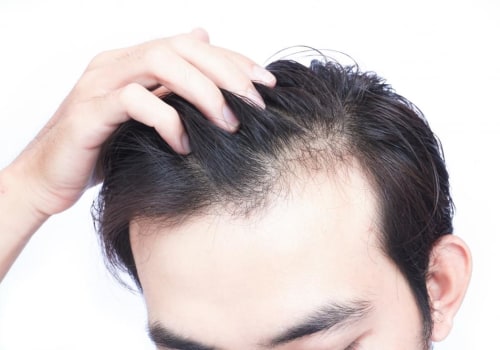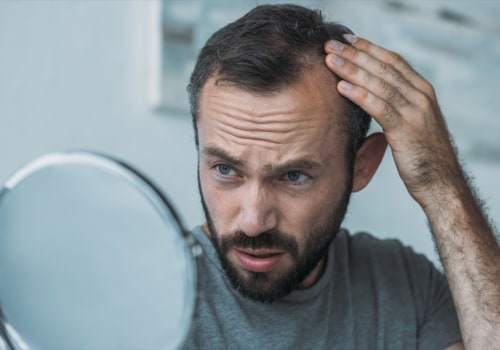
Male pattern baldness, also known as androgenetic alopecia, is a prevalent condition that affects a significant portion of the male population, with estimates suggesting that up to 70% of men will experience some degree of hair loss by the age of 80. This condition is characterized by a progressive thinning of hair, typically starting at the temples and crown of the head. The psychological impact of male pattern baldness can be profound, often leading to diminished self-esteem and increased anxiety about personal appearance. For many men, their hair is closely tied to their identity, and losing it can feel like losing a part of themselves.
The causes of male pattern baldness are multifaceted, primarily driven by genetic factors and hormonal changes. Dihydrotestosterone (DHT), a derivative of testosterone, plays a crucial role in this process. DHT binds to hair follicles, causing them to shrink over time and eventually leading to hair loss. While genetics largely dictate susceptibility to this condition, environmental factors such as stress, diet, and overall health can also influence its progression.
Understanding the underlying mechanisms of male pattern baldness is essential for those seeking effective hair restoration solutions. While medical treatments like minoxidil and finasteride are commonly prescribed, many individuals are turning to natural remedies as a complementary approach. These remedies not only aim to slow down hair loss but also promote healthier hair growth by addressing the root causes of the issue. In the following sections, we will delve deeper into various natural strategies that can support men in their journey toward restoring their hair and confidence.
The Science Behind Hair Loss
Understanding the biological mechanisms behind hair loss is essential for anyone seeking effective remedies for male pattern baldness.At the core of this condition lies a hormone known as dihydrotestosterone (DHT), a derivative of testosterone that plays a significant role in hair follicle health. DHT is produced when the enzyme 5-alpha reductase converts testosterone into this more potent androgen. While DHT is crucial for male development and sexual function, it can have detrimental effects on hair follicles, particularly in genetically predisposed individuals. The sensitivity of hair follicles to DHT varies from person to person, and those with a genetic predisposition may experience a shrinking of hair follicles when exposed to elevated levels of this hormone. As DHT binds to androgen receptors in hair follicles, it triggers a process known as miniaturization. This process causes the hair follicles to shrink, leading to thinner and shorter hair strands.
Over time, affected follicles may cease producing hair altogether, resulting in noticeable bald patches or thinning areas on the scalp. Research indicates that DHT not only affects the size of hair follicles but also alters the growth cycle of hair. The anagen phase, which is the active growth phase of hair, becomes shorter, while the telogen phase, where hair rests before shedding, becomes prolonged. This imbalance contributes to the overall reduction in hair density and volume. To combat the effects of DHT on hair loss, various treatment options are available. Medications like finasteride work by inhibiting the action of 5-alpha reductase, thereby reducing DHT levels in the scalp.
Additionally, natural remedies such as saw palmetto extract have been studied for their potential to block DHT production and promote healthier hair growth. Maintaining optimal hair follicle health is also crucial in mitigating the effects of DHT. A balanced diet rich in vitamins and minerals can support follicle function. Nutrients such as zinc, biotin, and vitamins A and E are known to play vital roles in maintaining healthy hair growth. In summary, understanding the science behind hair loss—particularly the role of DHT—provides valuable insights into effective treatment strategies. By addressing both hormonal imbalances and promoting overall follicle health, individuals can take proactive steps toward managing male pattern baldness.
Dietary Changes for Hair Restoration
When it comes to hair restoration, dietary changes play a crucial role in promoting healthy hair growth.A well-balanced diet rich in essential vitamins and minerals can significantly impact the health of your hair follicles and overall scalp condition. Here, we will explore the key nutrients that support hair health, the foods to include in your diet, and those to avoid for optimal results.
Essential Vitamins and Minerals for Hair Growth
Several vitamins and minerals are vital for maintaining healthy hair. Incorporating these into your daily diet can help enhance hair restoration:- Vitamin A: This vitamin is essential for cell growth and helps produce sebum, which keeps hair moisturized. Foods rich in vitamin A include carrots, sweet potatoes, and spinach.
- Vitamin C: An antioxidant that protects hair follicles from damage caused by free radicals.
Citrus fruits, strawberries, and bell peppers are excellent sources of vitamin C.
- Vitamin D: Low levels of vitamin D have been linked to hair loss. Fatty fish, fortified dairy products, and sunlight exposure can help boost your vitamin D levels.
- B Vitamins: B-complex vitamins, particularly biotin, are known to promote hair growth. Whole grains, eggs, nuts, and leafy greens are great sources.
- Iron: Iron deficiency can lead to hair loss. Incorporate iron-rich foods like red meat, lentils, and spinach into your meals.
- Zinc: This mineral plays a role in tissue growth and repair.
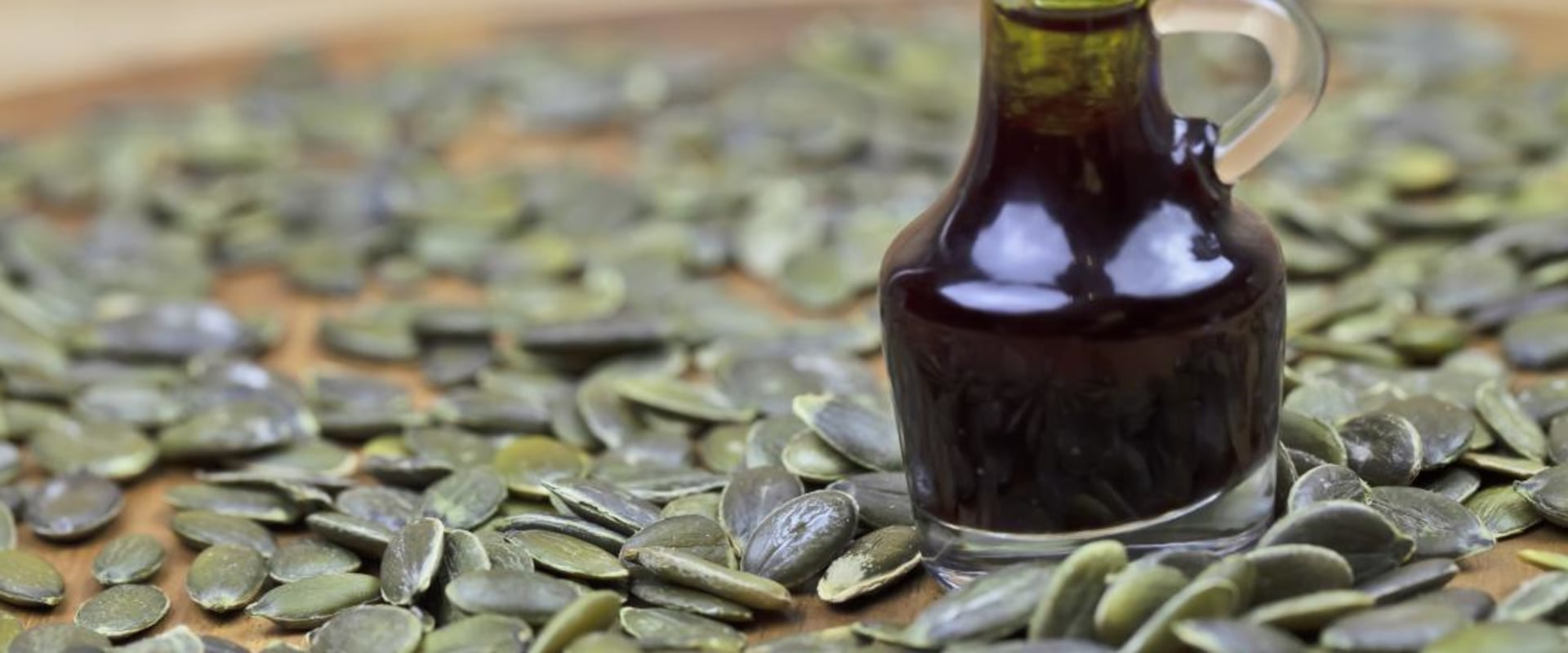
Foods such as oysters, pumpkin seeds, and chickpeas are high in zinc.
Foods to Include for Hair Restoration
A diet that supports hair restoration should focus on whole foods that provide the necessary nutrients. Here are some foods to consider adding to your meals:- Fatty Fish: Salmon and mackerel are rich in omega-3 fatty acids, which nourish the scalp and promote healthy hair growth.
- Nuts and Seeds: Almonds, walnuts, and flaxseeds provide essential fatty acids and vitamin E that support scalp health.
- Berries: Blueberries and raspberries are packed with antioxidants that protect hair follicles from damage.
- Leafy Greens: Spinach and kale are loaded with vitamins A and C, iron, and calcium—nutrients crucial for hair health.
- Legumes: Beans and lentils are excellent sources of protein and iron, both of which are important for strong hair.
Foods to Avoid for Optimal Hair Health
Certain foods can negatively impact hair health by promoting inflammation or hormonal imbalances. Consider limiting or avoiding the following:- Sugary Foods: High sugar intake can lead to insulin spikes that may contribute to hair loss.
- Processed Foods: Foods high in trans fats can increase inflammation in the body, potentially affecting hair growth.
- Excessive Alcohol: Alcohol can dehydrate the body and lead to nutrient deficiencies that may harm hair health.
- Caffeine: While moderate caffeine consumption is generally safe, excessive intake may disrupt sleep patterns, indirectly affecting hair health.
Remember that consistency is key; adopting these dietary changes over time will yield the best results for your hair health.
Herbal Supplements: Nature's Solution to Hair Loss
When it comes to addressing male pattern baldness, many individuals are turning to herbal supplements as a natural solution. These remedies have been used for centuries in various cultures and are gaining recognition for their potential benefits in promoting hair restoration. Below, we will delve into some of the most effective herbal supplements, including saw palmetto and green tea extract , exploring their mechanisms and advantages.Saw Palmetto: A Powerful Ally
Saw palmetto is derived from the berries of the Serenoa repens plant and has been widely studied for its role in combating hair loss. This herb is particularly noted for its ability to inhibit the production of dihydrotestosterone (DHT), a hormone linked to male pattern baldness.By blocking DHT, saw palmetto may help slow down hair loss and even promote regrowth.
- Mechanism of Action: Saw palmetto works by preventing the conversion of testosterone into DHT through the inhibition of the enzyme 5-alpha-reductase. This action helps maintain healthier hair follicles.
- Usage: Saw palmetto can be taken in various forms, including capsules, liquid extracts, or as a topical treatment. It is essential to follow recommended dosages and consult with a healthcare provider before starting any new supplement.
- Research Findings: Some studies have shown that men who took saw palmetto experienced less hair loss and improved hair density compared to those who did not use it.
Green Tea Extract: Antioxidant Powerhouse
Another promising herbal remedy for hair restoration is green tea extract, which is rich in antioxidants known as catechins. These compounds not only provide numerous health benefits but also play a significant role in promoting hair growth.- Mechanism of Action: The catechins in green tea, particularly epigallocatechin gallate (EGCG), have been shown to inhibit DHT production similarly to saw palmetto.
Additionally, they help improve blood circulation to the scalp, ensuring that hair follicles receive adequate nutrients and oxygen.
- Usage: Green tea extract can be consumed as a beverage or taken in supplement form. For topical application, some shampoos and conditioners now include green tea extract as an ingredient.
- Research Findings: Studies suggest that topical application of green tea extract may stimulate hair growth and prolong the anagen (growth) phase of hair follicles.
Scalp Massage Techniques for Enhanced Hair Growth
Scalp massage is a simple yet effective technique that can significantly enhance hair growth by promoting blood circulation and stimulating hair follicles.This practice not only helps in nourishing the scalp but also provides a relaxing experience that can reduce stress, a known contributor to hair loss.
Benefits of Scalp Massage
- Improved Blood Circulation: Massaging the scalp increases blood flow to the hair follicles, delivering essential nutrients and oxygen that are vital for healthy hair growth.
- Stimulates Hair Follicles: Regular scalp massage can awaken dormant hair follicles, encouraging them to enter the growth phase and potentially leading to thicker, fuller hair.
- Reduces Stress: The act of massaging the scalp can be incredibly soothing, helping to alleviate stress and tension, which are often linked to hair loss.
- Enhances Product Absorption: When combined with hair oils or treatments, scalp massage can improve the absorption of these products, maximizing their effectiveness.
How to Massage Your Scalp for Hair Growth
To achieve the best results from your scalp massage, consider the following techniques:
- Use Your Fingers: Start by using your fingertips to apply gentle pressure on your scalp. Move in circular motions, covering all areas of your head. This method is effective for stimulating blood flow.
- Incorporate Oils: For added benefits, use natural oils such as coconut oil, jojoba oil, or rosemary oil. These oils not only nourish the scalp but also enhance the massage experience.
- Try Different Techniques: Experiment with various techniques such as kneading or tapping.
Kneading involves pinching and rolling sections of your scalp between your fingers, while tapping uses your fingertips to lightly tap on the scalp.
- Duration and Frequency: Aim for at least 5-10 minutes of massage daily or several times a week. Consistency is key to seeing improvements in hair growth.
Tips for Effective Scalp Massage
- Create a Relaxing Environment: Find a quiet space where you can focus on your massage without distractions.
- Be Gentle: Avoid using excessive force; a gentle touch is more effective and less likely to cause discomfort.
- Stay Hydrated: Drink plenty of water before and after your massage to support overall health and hydration.
Essential Oils: Aromatherapy for Hair Restoration
Essential oils have gained recognition in the realm of hair restoration due to their natural properties that can promote hair growth and improve scalp health. Among the myriad of essential oils available, rosemary oil and lavender oil stand out for their effectiveness and versatility.Benefits of Rosemary Oil
Rosemary oil is particularly renowned for its ability to stimulate hair follicles, which can lead to increased hair growth.Research has shown that rosemary oil may be as effective as minoxidil, a common hair growth treatment, in promoting hair regrowth without the side effects associated with pharmaceutical options. This essential oil works by improving blood circulation to the scalp, ensuring that hair follicles receive the necessary nutrients and oxygen.
Lavender Oil: A Calming Influence
Lavender oil
, on the other hand, is celebrated not only for its pleasant aroma but also for its calming properties. It has been shown to reduce stress and anxiety, which are known contributors to hair loss. Additionally, lavender oil possesses antimicrobial properties that can help maintain a healthy scalp environment, reducing issues such as dandruff and irritation.
How to Use Essential Oils for Scalp Health
Incorporating essential oils into your hair care routine can be simple and effective.Here are some methods to consider:
- Scalp Massage: Mix a few drops of rosemary or lavender oil with a carrier oil such as coconut or jojoba oil. Gently massage this mixture into your scalp for about 5-10 minutes. This not only helps in distributing the oils but also stimulates blood flow to the hair follicles.
- Add to Shampoo: You can enhance your regular shampoo by adding a few drops of essential oils. This allows you to benefit from their properties every time you wash your hair.
- Aromatherapy Diffusion: Using an essential oil diffuser with lavender oil can create a calming atmosphere while also promoting relaxation, which indirectly supports healthy hair growth by reducing stress levels.
Always dilute essential oils with a carrier oil before applying them directly to the scalp. By integrating these natural remedies into your routine, you can harness the power of aromatherapy for effective hair restoration.
Stress Management: A Key Factor in Hair Health
Understanding the relationship between stress and hair loss is crucial for anyone experiencing male pattern baldness. Stress can trigger a variety of physiological responses in the body, including hormonal imbalances that may lead to hair thinning and loss. When the body is under stress, it produces higher levels of cortisol, a hormone that can disrupt the hair growth cycle and push hair follicles into a resting phase, ultimately resulting in increased shedding. To combat this, effective stress management techniques can play a significant role in promoting healthier hair growth.Here are some strategies that can help:
- Meditation: Practicing mindfulness meditation can help calm the mind and reduce stress levels. Just a few minutes each day can lead to improved mental clarity and emotional stability.
- Yoga: Engaging in yoga not only helps to relieve physical tension but also promotes relaxation through deep breathing and stretching. This holistic approach can enhance overall well-being and support hair health.
- Regular Exercise: Physical activity is a powerful stress reliever. Exercise releases endorphins, which are natural mood lifters.
Aim for at least 30 minutes of moderate exercise most days of the week.
- Deep Breathing Exercises: Simple deep breathing techniques can quickly reduce stress levels. Inhale deeply through your nose, hold for a few seconds, and exhale slowly through your mouth.
- Quality Sleep: Prioritizing sleep is essential for managing stress. Aim for 7-9 hours of quality sleep each night to allow your body to recover and rejuvenate.
Remember that while stress is a common factor in hair loss, taking proactive steps to manage it can lead to significant improvements in both your mental well-being and the vitality of your hair.
Lifestyle Modifications to Support Hair Restoration
When it comes to hair restoration, making specific lifestyle modifications can significantly enhance your efforts. These changes not only promote healthier hair but also improve overall well-being. Here are some essential lifestyle adjustments to consider:Prioritize Sleep Hygiene
Quality sleep is crucial for maintaining healthy hair. During sleep, the body undergoes repair and regeneration processes, including those affecting hair follicles.Aim for 7-9 hours of uninterrupted sleep each night. To improve your sleep hygiene:
- Establish a consistent sleep schedule by going to bed and waking up at the same time daily.
- Create a calming bedtime routine that may include reading, meditation, or gentle stretching.
- Limit exposure to screens at least an hour before bedtime to reduce blue light interference.
- Ensure your sleeping environment is dark, quiet, and cool.
Incorporate Regular Exercise
Regular physical activity is not only beneficial for your body but also for your hair. Exercise improves blood circulation, which helps deliver essential nutrients to hair follicles. Additionally, it reduces stress levels, a known contributor to hair loss.Aim for at least 150 minutes of moderate aerobic activity each week. Consider:
- Engaging in activities you enjoy, such as walking, cycling, or swimming.
- Incorporating strength training exercises at least twice a week.
- Practicing yoga or tai chi to enhance flexibility and reduce stress.
Avoid Harmful Hair Practices
Certain habits can exacerbate hair loss and damage. To protect your hair:- Avoid tight hairstyles like ponytails or braids that can cause traction alopecia.
- Limit the use of heat styling tools such as blow dryers, straighteners, and curling irons.
- Choose gentle hair care products free from sulfates and parabens that can strip natural oils.
- Be cautious with chemical treatments like dyes and relaxers that can weaken hair structure.
Prioritizing your health will not only benefit your hair but also enhance your overall quality of life.
Consulting Professionals: When to Seek Help
When experiencing significant hair loss, it is crucial to consult a healthcare professional. While some degree of hair thinning is normal as men age, sudden or excessive hair loss can indicate underlying health issues that require attention. Recognizing when to seek help can make a significant difference in managing male pattern baldness effectively.When to See a Doctor for Hair Loss
- If you notice patches of hair loss or bald spots on your scalp.
- If your hair is thinning rapidly or you are losing more than 100 hairs a day.
- If you experience changes in your scalp, such as redness, itching, or flaking.
- If there is a family history of early baldness and you are concerned about your own hair loss.
- If you have recently undergone significant stress, illness, or hormonal changes that coincide with your hair loss.
They may perform a physical examination of your scalp and review your medical history to identify potential factors contributing to your hair loss.
Diagnostic Methods
To diagnose the cause of hair loss, healthcare professionals may employ several methods:
- Scalp Examination: A thorough examination of the scalp can reveal patterns of hair loss and any signs of inflammation or infection.
- Blood Tests: These tests can check for hormonal imbalances, nutritional deficiencies, or underlying medical conditions that may be affecting hair growth.
- Scalp Biopsy: In some cases, a small sample of the scalp may be taken to analyze the hair follicles and determine if there are any abnormalities.
Professional Treatments for Male Pattern Baldness
If diagnosed with male pattern baldness, various treatment options are available:
- Medications: FDA-approved treatments like minoxidil (Rogaine) and finasteride (Propecia) can help slow down hair loss and promote regrowth in some individuals.
- Laser Therapy: Low-level laser therapy (LLLT) is a non-invasive option that uses light energy to stimulate hair follicles and improve circulation in the scalp.
- Surgical Options: For those seeking more permanent solutions, hair transplant surgery can redistribute healthy hair follicles from other areas of the scalp to balding regions.
Conclusion: Embracing Natural Remedies for Hair Restoration Success
In conclusion, addressing male pattern baldness through natural remedies and lifestyle changes offers a promising path for those seeking to restore their hair and confidence. Throughout this article, we have explored various strategies that can contribute to effective hair restoration , emphasizing the importance of a holistic approach. First and foremost, dietary modifications play a crucial role in supporting hair health. By incorporating nutrient-rich foods that are high in vitamins and minerals, such as vitamin C, E, and B-complex vitamins, individuals can create an internal environment conducive to hair growth.Additionally, reducing processed foods can help minimize inflammation, which is often linked to hair loss. Herbal supplements have also emerged as valuable allies in the fight against male pattern baldness. Natural ingredients like saw palmetto and green tea extract not only possess anti-inflammatory properties but may also help regulate hormone levels that contribute to hair loss. However, it is essential to consult with a healthcare professional before starting any new supplement regimen. Moreover, practices such as scalp massage can significantly enhance blood circulation to the hair follicles, promoting healthier growth. This simple yet effective technique can be easily integrated into daily routines, providing both physical and mental relaxation. Essential oils represent another powerful tool in the arsenal against hair loss.
Oils like rosemary and lavender not only nourish the scalp but also stimulate circulation, creating an optimal environment for hair restoration. When used correctly and safely, these oils can complement other treatments effectively. Lastly, managing stress levels is paramount in maintaining overall health and preventing further hair loss. Engaging in relaxation techniques such as meditation or yoga can help mitigate the effects of stress on the body, ultimately benefiting hair health. By embracing these natural remedies and making conscious lifestyle choices, individuals can take proactive steps toward managing male pattern baldness. While results may vary from person to person, a comprehensive approach that combines diet, herbal support, scalp care, and stress management holds the potential for significant improvement in hair restoration efforts.