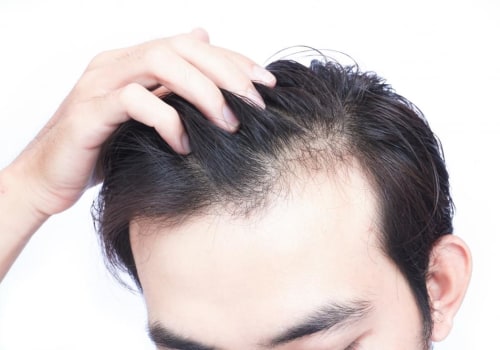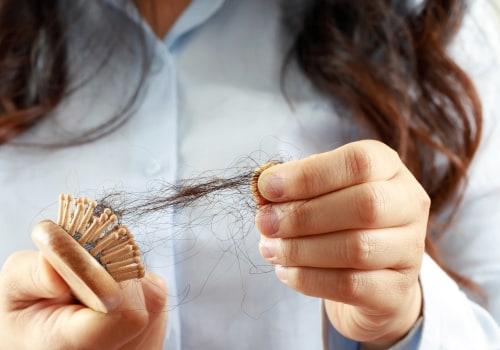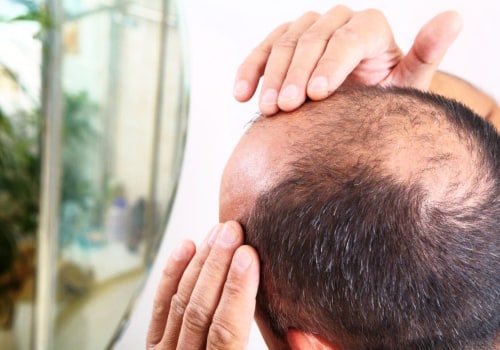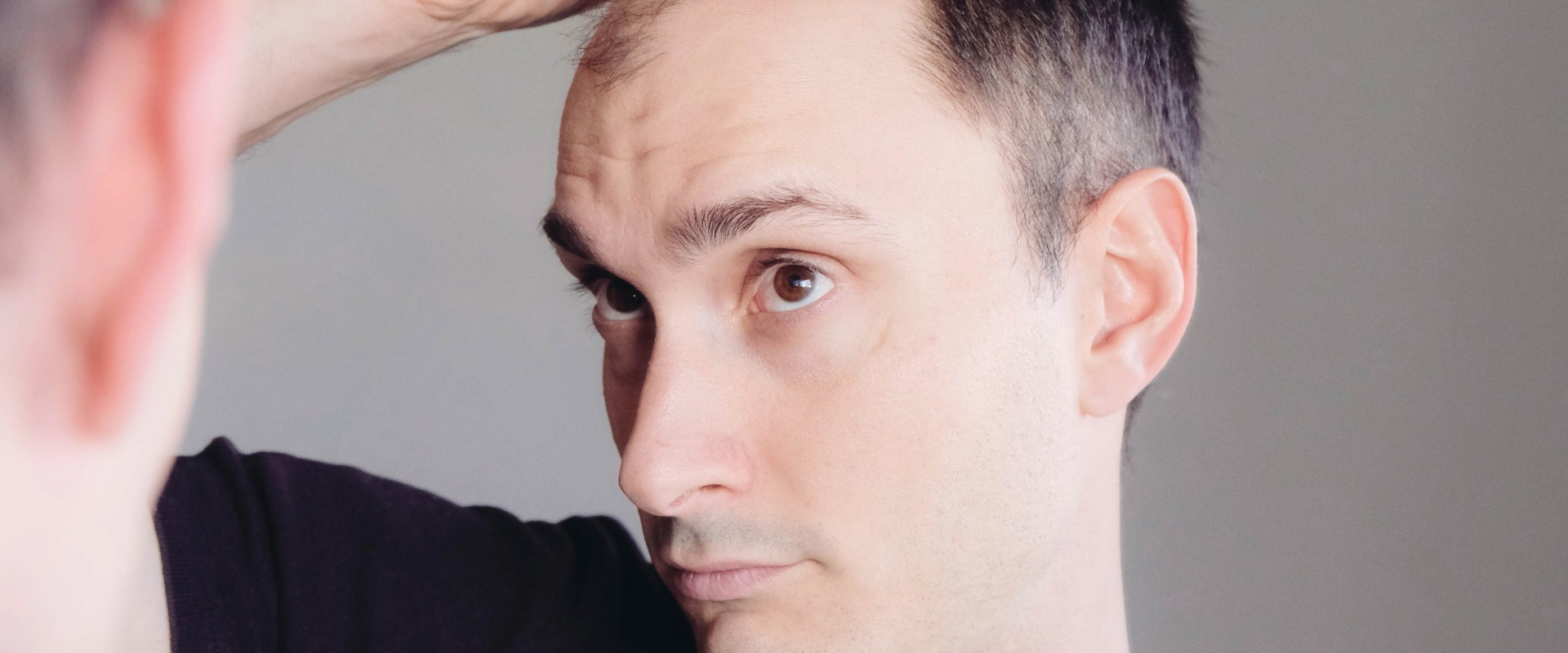
Male pattern baldness, also known as androgenetic alopecia, is a condition that affects a significant portion of the male population, with estimates suggesting that up to 70% of men will experience some degree of hair loss by the age of 80. This gradual thinning and loss of hair typically begins at the temples or crown and can lead to complete baldness in some cases. The prevalence of this condition highlights not only its biological roots but also the profound psychological impact it can have on those affected. Many men find themselves grappling with feelings of insecurity, diminished self-esteem, and even depression as they confront the reality of their changing appearance. The causes of male pattern baldness are multifaceted, involving a combination of genetic predisposition and hormonal changes.
Specifically, dihydrotestosterone (DHT), a derivative of testosterone, plays a crucial role in the miniaturization of hair follicles, leading to thinner hair and eventual hair loss. While genetics largely dictate who will experience this condition, environmental factors and lifestyle choices can also influence its progression. Understanding these underlying causes is essential for anyone seeking effective hair restoration strategies. As we delve deeper into the topic of male pattern baldness, it becomes clear that while the condition is often perceived as an inevitable part of aging, there are proactive measures that can be taken to mitigate its effects. By adopting certain lifestyle changes—ranging from dietary adjustments to stress management techniques—individuals can not only slow down the progression of hair loss but also promote healthier hair growth.
This article aims to explore these lifestyle modifications in detail, providing practical advice for those looking to enhance their hair health and restore their confidence.
The Role of Nutrition in Hair Health
Nutrition plays a pivotal role in maintaining healthy hair and preventing hair loss. A well-balanced diet that includes a variety of essential nutrients can significantly impact hair growth and overall scalp health. Here, we will explore the key vitamins and minerals that are crucial for hair health, along with dietary sources to incorporate into your meals.Vitamins Essential for Hair Growth
- Vitamin A: This vitamin is vital for cell growth, including hair cells. It also helps produce sebum, an oily substance that moisturizes the scalp.
Foods rich in vitamin A include carrots, sweet potatoes, spinach, and kale.
- B Vitamins: B vitamins, particularly biotin (B7), are known for their role in promoting hair growth. They help create red blood cells, which carry oxygen and nutrients to the scalp. Sources of B vitamins include whole grains, eggs, nuts, and leafy greens.
- Vitamin C: An antioxidant that protects hair follicles from damage caused by free radicals. Vitamin C also aids in the absorption of iron, another critical nutrient for hair health.
Citrus fruits, strawberries, bell peppers, and broccoli are excellent sources.
- Vitamin D: Low levels of vitamin D have been linked to hair loss. This vitamin can be obtained through sunlight exposure and foods like fatty fish, fortified dairy products, and mushrooms.
- Vitamin E: Another powerful antioxidant that helps reduce oxidative stress on the scalp. Nuts, seeds, and green leafy vegetables are rich in vitamin E.
Minerals That Support Hair Health
- Iron: Essential for delivering oxygen to hair follicles. A deficiency can lead to hair thinning.
Red meat, poultry, lentils, and spinach are good sources of iron.
- Zinc: Plays a crucial role in tissue growth and repair, including hair tissue. It also helps maintain oil glands around the follicles. Foods high in zinc include oysters, beef, pumpkin seeds, and chickpeas.
- Selenium: This mineral helps protect against oxidative stress and supports the function of enzymes involved in hair growth. Brazil nuts are an excellent source of selenium.
Incorporating Nutrient-Rich Foods into Your Diet
A balanced diet should include a variety of these vitamins and minerals to promote optimal hair health.
Consider incorporating the following foods into your daily meals:
- Leafy Greens: Spinach and kale are packed with iron and vitamins A and C.
- Nuts and Seeds: Almonds and flaxseeds provide vitamin E and omega-3 fatty acids.
- Fatty Fish: Salmon is rich in omega-3s and vitamin D.
- Legumes: Beans and lentils offer protein along with iron and zinc.
Exercise: A Natural Way to Boost Hair Growth
Engaging in regular physical activity is not only beneficial for overall health but also plays a crucial role in promoting healthy hair growth. One of the primary ways exercise contributes to hair health is by enhancing blood circulation to the scalp. Improved blood flow ensures that hair follicles receive the essential nutrients and oxygen they need to thrive, which can significantly reduce the risk of hair loss. When you exercise, your heart rate increases, leading to better circulation throughout your body, including the scalp. This increased blood flow helps deliver vital nutrients such as vitamins and minerals directly to the hair follicles, fostering an environment conducive to hair growth.Additionally, exercise helps to flush out toxins from the body, which can also contribute to healthier hair.
Types of Exercises Beneficial for Hair Health
- Aerobic Exercises: Activities like running, swimming, cycling, and brisk walking are excellent for boosting cardiovascular health and improving blood circulation. Aim for at least 150 minutes of moderate aerobic activity each week.
- Strength Training: Incorporating weight lifting or bodyweight exercises into your routine can help increase testosterone levels, which may positively influence hair growth. Aim for two or more days a week of strength training.
- Yoga: This practice not only enhances flexibility and strength but also promotes relaxation and stress reduction. Certain yoga poses can improve blood flow to the scalp, further supporting hair health.
- High-Intensity Interval Training (HIIT): Short bursts of intense exercise followed by rest periods can boost metabolism and improve circulation quickly.
This type of workout can be particularly effective for those with busy schedules.
Managing Stress for Healthier Hair
Stress is a significant factor that can contribute to hair loss, particularly in the form of a condition known as telogen effluvium.This condition occurs when stress disrupts the normal hair growth cycle, pushing a larger number of hair follicles into the shedding phase. As a result, individuals may notice increased hair loss, which can be distressing and further exacerbate feelings of anxiety and frustration. Understanding the connection between stress and hair health is crucial for anyone looking to maintain their mane. When the body experiences stress, it releases hormones such as cortisol, which can negatively impact hair follicles and lead to thinning or shedding. Therefore, managing stress effectively is essential not only for overall well-being but also for preserving healthy hair.
Effective Stress Management Techniques
Implementing practical stress management techniques can significantly reduce the risk of hair loss associated with stress.Here are some effective strategies:
- Mindfulness and Meditation: Practicing mindfulness through meditation can help calm the mind and reduce anxiety. Even just a few minutes of focused breathing or guided meditation each day can make a difference.
- Regular Exercise: Engaging in physical activity is one of the most effective ways to combat stress. Exercise releases endorphins, which are natural mood lifters. Aim for at least 30 minutes of moderate exercise most days of the week.
- Yoga and Stretching: Incorporating yoga into your routine not only helps with physical flexibility but also promotes mental relaxation.
The combination of movement and breath control can significantly lower stress levels.
- Social Connections: Maintaining strong relationships with friends and family can provide emotional support during stressful times. Sharing your feelings with loved ones can alleviate stress and improve your mood.
- Healthy Sleep Habits: Prioritizing sleep is vital for managing stress. Aim for 7-9 hours of quality sleep each night to allow your body to recover and rejuvenate.
- Nutritional Support: A balanced diet rich in vitamins and minerals can help your body cope with stress more effectively. Foods high in omega-3 fatty acids, antioxidants, and B vitamins are particularly beneficial.
Remember that consistency is key; making these practices a regular part of your life will yield the best results over time. In conclusion, managing stress is essential for maintaining healthy hair. By understanding its impact on hair loss and implementing effective stress management techniques, you can take proactive steps toward preserving your locks while enhancing your overall well-being.
The Impact of Smoking on Hair Loss
Smoking is not only detrimental to overall health but also has a significant negative impact on hair health. One of the primary ways smoking contributes to hair loss is through its adverse effects on blood circulation, particularly to the scalp. The chemicals found in tobacco smoke can constrict blood vessels, reducing the flow of oxygen and essential nutrients to hair follicles.This impaired circulation can lead to weakened hair strands and ultimately contribute to hair thinning and loss. Moreover, smoking increases the production of free radicals in the body. These unstable molecules can cause oxidative stress, damaging hair follicles and accelerating the hair loss process. The cumulative effect of reduced blood flow and increased oxidative damage creates an environment that is not conducive to healthy hair growth.
Benefits of Quitting Smoking for Hair Health
Quitting smoking can yield numerous benefits for hair restoration and overall well-being. Here are some key advantages:- Improved Blood Circulation: Once you quit smoking, your blood circulation begins to improve.
Enhanced blood flow to the scalp means that hair follicles receive more oxygen and nutrients, which are vital for healthy hair growth.
- Reduced Oxidative Stress: By eliminating tobacco from your life, you decrease the levels of free radicals in your body. This reduction helps protect hair follicles from damage, promoting a healthier environment for hair growth.
- Better Nutrient Absorption: Quitting smoking can improve your body's ability to absorb essential vitamins and minerals that support hair health, such as vitamin C, zinc, and iron.
- Enhanced Overall Health: The benefits of quitting smoking extend beyond just hair health. Improved lung function, reduced risk of chronic diseases, and better skin health all contribute to a more vibrant appearance.
Quitting smoking not only enhances your chances of restoring your hair but also significantly improves your quality of life. Taking this step can lead to healthier hair and a more confident you.
Avoiding Excessive Heat and Chemical Treatments
Maintaining healthy hair is crucial for preventing male pattern baldness, and one of the most significant factors that can compromise hair health is excessive heat and harsh chemical treatments. Both can lead to irreversible damage to hair follicles, resulting in thinning hair and increased hair loss.Heat Damage to Hair
Styling tools such as curling irons, straighteners, and blow dryers can reach extremely high temperatures, which can weaken the hair structure over time. When hair is exposed to excessive heat, it can lose moisture, leading to dryness and brittleness.
This not only makes hair more prone to breakage but can also disrupt the natural growth cycle of hair follicles. To minimize heat damage, consider the following safe styling practices:
- Limit Heat Usage: Try to reduce the frequency of using heated styling tools. Instead of daily styling, reserve heat tools for special occasions.
- Use Heat Protectants: Always apply a heat protectant spray or serum before using any styling tool. These products create a barrier that helps shield your hair from high temperatures.
- Opt for Lower Temperatures: When using styling tools, choose the lowest effective temperature setting. This can significantly reduce the risk of damage while still allowing you to achieve your desired style.
- Air Dry When Possible: Allow your hair to air dry instead of using a blow dryer.
If you must use a blow dryer, use it on a cool setting to minimize heat exposure.
Chemical Treatments and Hair Loss
Chemical treatments such as coloring, perming, or relaxing can also have detrimental effects on hair health. These processes often involve harsh chemicals that can strip away natural oils and weaken the hair shaft. Over time, this can lead to thinning hair and increased susceptibility to breakage. To protect your hair from chemical damage, consider these tips:
- Choose Gentle Products: Opt for ammonia-free dyes and gentle formulations that are less likely to cause damage.
- Space Out Treatments: Avoid frequent chemical treatments. Give your hair time to recover between processes.
- Deep Conditioning: Incorporate deep conditioning treatments into your routine to restore moisture and strengthen your hair after chemical exposure.
This proactive approach not only helps maintain healthy hair but also plays a vital role in preventing male pattern baldness.
Natural Alternatives to Hair Loss Treatments
When it comes to addressing hair loss, many men often turn to conventional treatments like minoxidil and finasteride. While these medications can be effective, they may also come with unwanted side effects and health risks. Fortunately, there are numerous natural alternatives that can promote healthy hair growth without the drawbacks associated with pharmaceutical options. One of the most effective natural remedies for hair loss is the incorporation of essential oils into your hair care routine. Oils such as rosemary, peppermint, and lavender have been shown to stimulate hair follicles and improve circulation to the scalp.To use these oils, mix a few drops with a carrier oil like coconut or jojoba oil and massage it into your scalp. This not only nourishes the hair follicles but also provides a relaxing experience. Another holistic approach involves the use of herbal supplements. Saw palmetto , for instance, is a popular natural remedy that may help block the production of dihydrotestosterone (DHT), a hormone linked to male pattern baldness. Additionally, ginseng is known for its ability to enhance blood circulation and promote hair growth.
Always consult with a healthcare provider before starting any new supplement regimen.
A well-balanced diet plays a crucial role in maintaining healthy hair. Foods rich in vitamins and minerals such as biotin , zinc , and iron are essential for hair health. Incorporating foods like eggs, nuts, leafy greens, and fish into your meals can provide the necessary nutrients to support hair growth. Furthermore, staying hydrated by drinking plenty of water is vital for overall health and can also benefit your hair.
Stress management
is another key factor in preventing hair loss.
High stress levels can lead to conditions like telogen effluvium, where hair falls out due to stress-induced hormonal changes. Engaging in activities such as yoga, meditation, or even simple breathing exercises can significantly reduce stress levels and promote a healthier environment for hair growth. Lastly, consider adopting a gentle hair care routine that avoids harsh chemicals and excessive heat styling. Opt for natural shampoos and conditioners free from sulfates and parabens, which can strip the hair of its natural oils. Limiting the use of heat styling tools will also help prevent damage to your hair follicles. In conclusion, while conventional treatments for hair loss may offer results, exploring natural alternatives can provide a safer and more holistic approach to promoting healthy hair growth.
By incorporating essential oils, herbal supplements, a balanced diet, stress management techniques, and gentle hair care practices into your lifestyle, you can effectively support your journey toward healthier hair.
FAQs About Male Pattern Baldness and Hair Restoration
Male pattern baldness is a topic that raises numerous questions and misconceptions. Below, we address some of the most frequently asked questions regarding this condition and explore effective strategies for hair restoration.What causes male pattern baldness?
Male pattern baldness, also known as androgenetic alopecia, is primarily caused by genetic factors and hormonal changes. The hormone dihydrotestosterone (DHT), a derivative of testosterone, plays a significant role in hair loss. DHT can shrink hair follicles, leading to thinner hair and eventual baldness.While genetics largely determine susceptibility to this condition, environmental factors and lifestyle choices can also influence its progression.
Are there any effective treatments for male pattern baldness?
Yes, there are several treatments available for male pattern baldness:- Minoxidil: An over-the-counter topical solution that promotes hair growth by increasing blood flow to hair follicles.
- Finasteride: A prescription medication that reduces DHT levels in the scalp, helping to slow hair loss and promote regrowth.
- Hair Transplant Surgery: A surgical procedure that involves relocating hair follicles from a donor site to balding areas of the scalp.
- Low-Level Laser Therapy (LLLT): A non-invasive treatment that uses laser light to stimulate hair follicles and promote growth.
What are some common myths about male pattern baldness?
There are many myths surrounding male pattern baldness that can lead to confusion:- Myth 1: Wearing hats causes baldness. This is false; hats do not affect hair growth or loss.
- Myth 2: Baldness is only inherited from the mother’s side. In reality, genetics can come from both parents.
- Myth 3: Poor hygiene leads to hair loss. While maintaining scalp health is important, it does not directly cause baldness.
Can lifestyle changes help prevent male pattern baldness?
Certain lifestyle changes can indeed help manage or slow down the progression of male pattern baldness. A balanced diet rich in vitamins and minerals, regular exercise to improve circulation, stress management techniques, and avoiding smoking can all contribute positively to hair health. Additionally, minimizing heat exposure from styling tools can protect hair follicles from damage. In conclusion, understanding the facts about male pattern baldness and exploring effective treatment options can empower individuals facing this condition. By addressing common myths and implementing healthy lifestyle changes, it is possible to take proactive steps toward maintaining hair health.Conclusion: Embracing Lifestyle Changes for Healthy Hair Growth
In conclusion, the journey towards maintaining healthy hair and preventing male pattern baldness is multifaceted and requires a commitment to positive lifestyle changes.Throughout this article, we have explored various strategies that can significantly impact hair health, emphasizing the importance of a holistic approach.
Nutrition
plays a pivotal role in hair growth. A diet rich in essential vitamins and minerals, such as iron, zinc, and vitamin C, can nourish hair follicles and promote robust hair growth. Incorporating foods like leafy greens, nuts, fish, and lean proteins into your meals can provide the necessary nutrients to support healthy hair.
Regular exercise
is another crucial element. Engaging in physical activity not only enhances blood circulation to the scalp but also helps reduce stress levels.
Activities such as jogging, swimming, or even brisk walking can invigorate your body and mind, contributing to overall well-being and healthier hair.
Stress management
cannot be overlooked. Chronic stress is known to disrupt the natural hair growth cycle, leading to conditions like telogen effluvium. By adopting relaxation techniques such as yoga, meditation, or deep breathing exercises, you can mitigate stress and create a more conducive environment for hair growth.
Avoiding harmful habits like smoking is equally important. Smoking restricts blood flow to the scalp and introduces free radicals that can damage hair follicles.
Quitting smoking not only benefits your hair but also enhances your overall health. Lastly, being mindful of heat exposure from styling tools and avoiding unnecessary hair loss treatments can protect your hair from damage. Embracing natural methods for hair care will often yield better long-term results than relying on chemical treatments. By integrating these lifestyle changes into your daily routine, you can take proactive steps towards preventing male pattern baldness and fostering an environment where your hair can thrive. Remember that consistency is key; small adjustments in your lifestyle can lead to significant improvements in your hair health over time.