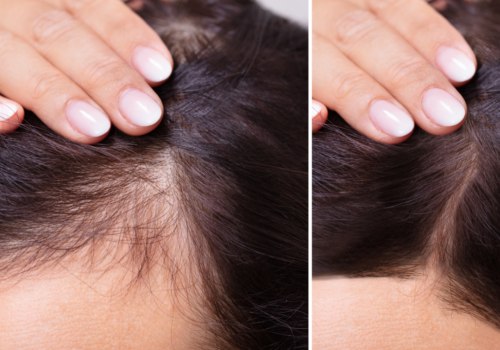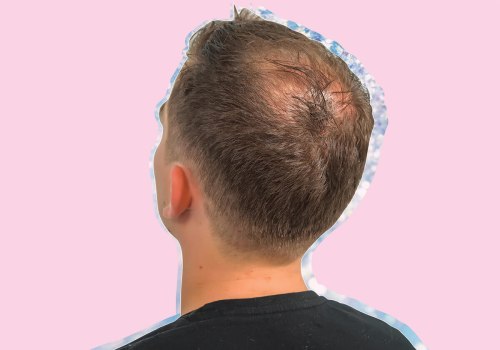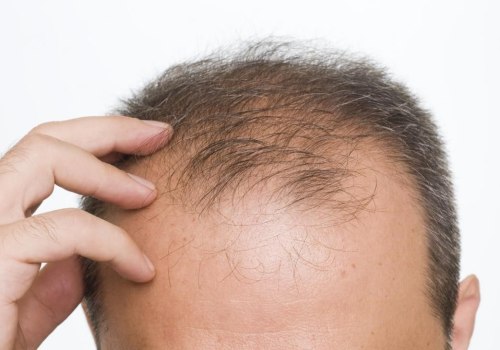
Maintaining optimal hair health is essential not only for aesthetic reasons but also for overall well-being. Hair serves as a reflection of our health, and when it becomes brittle, thin, or starts to fall out, it can be a sign of underlying issues. Understanding the factors that contribute to hair vitality is crucial for anyone looking to enhance their appearance and boost their confidence. Among these factors, the role of vitamins in hair restoration cannot be overstated.
Vitamins are vital nutrients that support various bodily functions, including those that promote healthy hair growth. As we delve into the world of hair health, it’s important to recognize that deficiencies in essential vitamins can lead to significant hair problems. For instance, a lack of Vitamin D can hinder hair follicle cycling, while insufficient B vitamins may disrupt keratin production, leading to weak strands. This is where natural remedies come into play. By incorporating specific vitamins and minerals into your diet or through supplements, you can create a robust foundation for hair restoration. In this exploration of natural remedies for hair loss , we will examine the various vitamins that play a pivotal role in promoting hair growth and overall scalp health.
From Vitamin A's ability to stimulate sebum production to the antioxidant properties of Vitamin E that protect against oxidative stress, each vitamin contributes uniquely to the health of your hair. Additionally, we will discuss how lifestyle choices and dietary adjustments can further enhance these benefits, paving the way for a comprehensive approach to achieving luscious locks.
The Role of Vitamins in Hair Growth
Vitamins play a pivotal role in promoting hair growth and maintaining overall hair health. Each vitamin contributes uniquely to the hair growth cycle, ensuring that hair remains strong, vibrant, and resilient against damage. Understanding how these essential vitamins function can empower individuals to make informed choices about their hair care routines.Vitamin A
is crucial for the production of sebum, an oily substance secreted by the sebaceous glands in the scalp.
This natural oil keeps the hair moisturized and prevents dryness, which can lead to breakage. Foods rich in vitamin A include carrots, sweet potatoes, and spinach. Incorporating these into your diet can help maintain a healthy scalp environment conducive to hair growth.
B Vitamins
, particularly biotin (B7), are vital for keratin production, the protein that forms the structure of hair strands. Biotin deficiency has been linked to hair loss, making it essential for those seeking to restore their hair.
Other B vitamins, such as B6 and B12, support red blood cell production, which is necessary for delivering oxygen and nutrients to hair follicles. Sources of B vitamins include eggs, nuts, whole grains, and leafy greens.
Vitamin C
is another key player in hair health. It aids in collagen production, a protein that strengthens hair and prevents it from becoming brittle. Additionally, vitamin C acts as an antioxidant, protecting hair follicles from oxidative stress caused by free radicals.
Citrus fruits, strawberries, and bell peppers are excellent sources of this vital vitamin.
Vitamin D
has garnered attention for its role in stimulating new hair follicle growth. A deficiency in vitamin D has been associated with alopecia areata, a condition characterized by sudden hair loss. Sunlight exposure is one of the best ways to boost vitamin D levels; however, it can also be found in fatty fish and fortified foods.
Vitamin E
is known for its antioxidant properties that help reduce oxidative stress on the scalp. This vitamin improves blood circulation in the scalp area, promoting healthier hair growth.
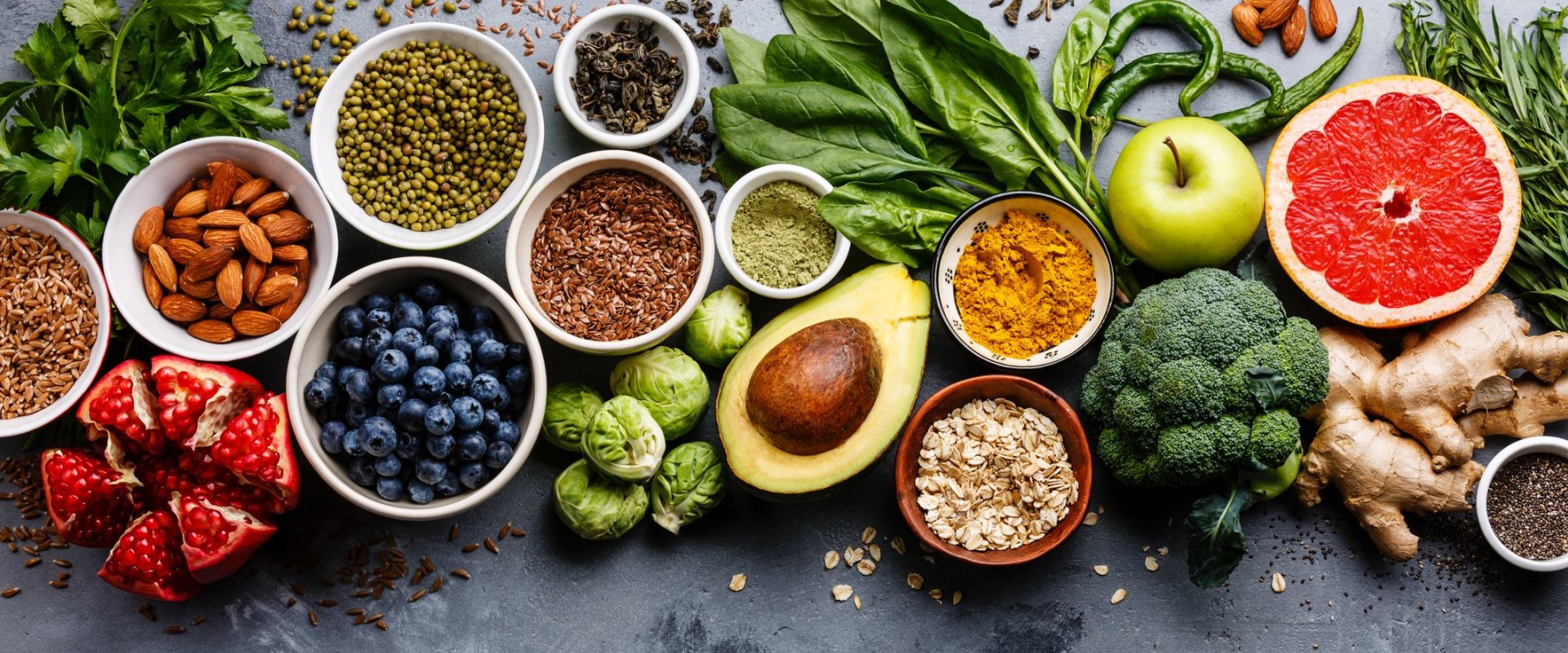
Foods rich in vitamin E include almonds, sunflower seeds, and avocados. Incorporating these essential vitamins into your diet not only supports hair restoration but also enhances overall health. A balanced diet rich in these nutrients can lead to stronger, healthier hair while minimizing the risk of hair loss.
Key Vitamins for Hair Restoration
When it comes to hair restoration, understanding the role of essential vitamins is crucial. Each vitamin contributes uniquely to hair health, promoting growth, strength, and overall vitality. Below is a detailed overview of key vitamins that play a significant role in hair restoration.Vitamin A
Vitamin A is vital for maintaining a healthy scalp and promoting hair growth.It aids in the production of sebum, an oily substance that moisturizes the scalp and keeps hair hydrated. A deficiency in Vitamin A can lead to dry, brittle hair and even hair loss.
- Sources: Carrots, sweet potatoes, spinach, kale, and eggs are excellent sources of Vitamin A.
- Recommended Daily Intake: The recommended daily allowance (RDA) for adults is about 900 micrograms for men and 700 micrograms for women.
B Vitamins
The B vitamin complex is essential for energy production and cellular metabolism, which are crucial for healthy hair growth. Among the B vitamins, biotin (B7) is particularly noted for its role in strengthening hair and preventing hair loss.- Sources: Foods rich in B vitamins include whole grains, eggs, nuts, seeds, and leafy greens.
- Recommended Daily Intake: The RDA varies; for biotin, it is about 30 micrograms per day for adults.
Vitamin C
Vitamin C is a powerful antioxidant that helps protect hair follicles from oxidative stress caused by free radicals. It also plays a crucial role in collagen production, which strengthens hair strands and promotes healthy growth.- Sources: Citrus fruits (oranges, lemons), strawberries, bell peppers, and broccoli are rich in Vitamin C.
- Recommended Daily Intake: The RDA for adults is 90 milligrams for men and 75 milligrams for women.
Vitamin D
Vitamin D is essential for the creation of new hair follicles.Low levels of Vitamin D have been linked to hair loss conditions such as alopecia areata. Ensuring adequate Vitamin D levels can help stimulate hair growth.
- Sources: Fatty fish (salmon, mackerel), fortified foods (milk, orange juice), and sunlight exposure are primary sources of Vitamin D.
- Recommended Daily Intake: The RDA is 600 IU (15 mcg) for adults up to age 70; those over 70 should aim for 800 IU (20 mcg).
Vitamin E
This vitamin acts as an antioxidant that helps reduce oxidative stress on the scalp. It improves blood circulation to the scalp and enhances overall hair health by preventing damage to the follicles.- Sources: Nuts (almonds), seeds (sunflower), spinach, and avocados are excellent sources of Vitamin E.
- Recommended Daily Intake: The RDA for adults is about 15 milligrams.
Natural Remedies to Enhance Hair Health
In addition to ensuring adequate vitamin intake, incorporating natural remedies can significantly enhance hair health and promote growth.These remedies often include a variety of herbs and essential oils that have been traditionally used for their beneficial properties on hair and scalp health.
Herbal Supplements for Hair Growth
Herbs have long been recognized for their potential to support hair growth and combat hair loss. Here are some notable herbal supplements:- Saw Palmetto: This herb is known for its ability to inhibit the production of dihydrotestosterone (DHT), a hormone linked to hair loss. By blocking DHT, saw palmetto may help in maintaining hair density and promoting regrowth.
- Nettle Root: Rich in vitamins A, C, K, and several B vitamins, nettle root is believed to improve circulation in the scalp, thereby enhancing nutrient delivery to hair follicles.
- Ginseng: Often used in traditional medicine, ginseng is thought to stimulate hair follicles and promote hair growth by improving blood circulation.
- Green Tea Extract: Packed with antioxidants, green tea extract may help reduce hair loss by inhibiting the effects of DHT and promoting healthy hair growth.
Essential Oils for Hair Health
Essential oils are concentrated plant extracts that can be used to nourish the scalp and stimulate hair growth. Here are some effective essential oils:- Rosemary Oil: Known for its stimulating properties, rosemary oil can improve circulation in the scalp, which may lead to increased hair growth.
It also has antioxidant properties that protect against damage.
- Lavender Oil: This oil not only has a calming scent but also promotes hair growth by increasing blood circulation. Lavender oil has been shown to reduce stress, which can be a contributing factor to hair loss.
- Cedarwood Oil: Cedarwood oil is believed to balance the oil-producing glands in the scalp and has antifungal properties that can help with dandruff, creating a healthier environment for hair growth.
Dietary Changes to Support Hair Restoration
When it comes to hair restoration, the role of diet cannot be overstated.A well-balanced diet rich in essential vitamins and minerals is crucial for promoting healthy hair growth and preventing hair loss. By incorporating specific foods into your daily meals, you can significantly enhance the health of your hair.
Key Nutrients for Hair Health
- Protein: Hair is primarily made up of a protein called keratin. Consuming adequate protein is vital for hair strength and growth. Include sources such as lean meats, fish, eggs, legumes, and dairy products in your diet.
- Iron: Iron deficiency can lead to hair loss, as it is essential for delivering oxygen to hair follicles.
Foods rich in iron include spinach, lentils, red meat, and fortified cereals.
- Omega-3 Fatty Acids: These healthy fats nourish the hair and support scalp health. Incorporate fatty fish like salmon, walnuts, and flaxseeds into your meals.
- Vitamins A and C: Vitamin A helps produce sebum, which keeps the scalp moisturized, while vitamin C aids in collagen production. Carrots, sweet potatoes, citrus fruits, and bell peppers are excellent sources of these vitamins.
- B Vitamins: B vitamins, particularly biotin, are known for their role in promoting hair growth. Foods such as eggs, nuts, whole grains, and leafy greens are rich in B vitamins.
- Zinc: This mineral plays a crucial role in hair tissue growth and repair.
Foods high in zinc include pumpkin seeds, chickpeas, and oysters.
Incorporating Hair-Healthy Foods
To support hair restoration, aim to create meals that are colorful and diverse. Here are some tips for incorporating these nutrients into your diet:
- Start your day with a nutrient-packed breakfast: Consider oatmeal topped with nuts and berries or a smoothie made with spinach, banana, and yogurt.
- Add salads to your lunch: Include a variety of vegetables along with protein sources like grilled chicken or chickpeas. Drizzle with olive oil for healthy fats.
- Snack wisely: Choose snacks that are rich in nutrients such as almonds or Greek yogurt with honey.
- Dinner options: Opt for grilled fish or lean meat paired with quinoa or brown rice and steamed vegetables.
Potential Risks of Vitamins and Natural Remedies
While vitamins and natural remedies can play a significant role in promoting hair health, it is crucial to be aware of the potential risks associated with their use.Understanding these risks can help individuals make informed decisions about their hair restoration journey.
1.Interaction with Medications
One of the primary concerns when taking vitamin supplements or herbal remedies is the possibility of interactions with prescription medications. Certain vitamins and herbs can affect how medications work, potentially diminishing their effectiveness or causing adverse effects. For instance, vitamin K can interfere with blood thinners, while some herbal supplements may enhance or inhibit the effects of antidepressants. It is essential to consult a healthcare professional before starting any new supplement regimen, especially if you are currently taking medication.
2.Allergic Reactions
Natural remedies, including herbal supplements and essential oils, can trigger allergic reactions in some individuals.
Symptoms may range from mild skin irritations to severe anaphylactic reactions. Common allergens include ingredients like lavender oil and rosemary oil. If you have a history of allergies, it is advisable to perform a patch test before applying any new product to your scalp or skin.
3.Overdose Risks
Taking excessive amounts of vitamins can lead to toxicity and serious health issues. For example, high doses of vitamin A can cause liver damage and other complications, while too much biotin may interfere with lab test results.
Always adhere to recommended dosages and consult a healthcare provider if you are considering high-dose supplements.
4.Quality Control Issues
The supplement industry is not as tightly regulated as pharmaceuticals, which raises concerns about the quality and purity of products on the market. Some vitamins and natural remedies may contain harmful contaminants or not contain the advertised ingredients at all. To mitigate this risk, choose products from reputable brands that undergo third-party testing for quality assurance.
5.Individual Variability
The effectiveness and safety of vitamins and natural remedies can vary significantly from person to person due to factors such as genetics, existing health conditions, and overall lifestyle. What works for one individual may not work for another, making it essential to approach hair restoration with a personalized plan developed in consultation with a healthcare professional.
In summary, while vitamins and natural remedies can support hair health, it is vital to be aware of their potential risks.
Consulting with a healthcare provider before starting any new treatment can help ensure safety and effectiveness in your hair restoration efforts.
How to Ensure Adequate Vitamin Intake for Hair Health
Ensuring that you receive adequate vitamins for optimal hair health is crucial for promoting growth and preventing hair loss. Here are some practical strategies to help you achieve the necessary vitamin intake:1.Focus on a Balanced Diet
A well-rounded diet is the foundation for obtaining essential vitamins. Incorporate a variety of foods rich in vitamins A, B, C, D, and E:- Vitamin A: Found in carrots, sweet potatoes, spinach, and kale, this vitamin is vital for sebum production, which keeps your scalp moisturized.
- B Vitamins: Include sources like eggs, nuts, seeds, and whole grains. These vitamins are crucial for cellular metabolism and keratin production.
- Vitamin C: Citrus fruits, strawberries, and bell peppers are excellent sources that aid in collagen production and iron absorption.
- Vitamin D: Fatty fish like salmon and fortified foods can help maintain healthy hair follicles.
- Vitamin E: Nuts, seeds, and green leafy vegetables protect hair from oxidative stress.
2.Consider Vitamin Supplements
If you find it challenging to meet your vitamin needs through diet alone, supplements can be a beneficial addition.Here are some tips for effective supplementation:
- Consult a Healthcare Professional: Before starting any supplement regimen, speak with a healthcare provider to determine your specific needs and avoid potential interactions with medications.
- Choose Quality Products: Look for reputable brands that undergo third-party testing to ensure purity and potency.
- Follow Recommended Dosages: Adhere to the suggested dosages on the label or as advised by your healthcare provider to prevent overdosing.
3.Monitor Your Hair Health
Keep track of your hair's condition as you adjust your diet or introduce supplements. If you notice improvements in thickness or growth, it may indicate that your vitamin intake is adequate. Conversely, if you experience continued hair loss or thinning despite dietary changes, consult a professional for further evaluation. By focusing on a balanced diet rich in essential vitamins and considering supplementation when necessary, you can significantly enhance your hair health and promote effective hair restoration.Frequently Asked Questions about Vitamins and Hair Health
When it comes to vitamins for hair health, many individuals have questions about their effectiveness, the best sources, and common misconceptions. Below are some frequently asked questions that can help clarify these topics.What vitamins are essential for hair restoration?
Several vitamins play a crucial role in promoting healthy hair growth and restoration:- Vitamin A: Essential for sebum production, which keeps the scalp moisturized.
- B Vitamins: Particularly biotin, which is known to strengthen hair and promote growth.
- Vitamin C: Important for collagen production, which supports hair structure.
- Vitamin D: Helps create new hair follicles and may prevent hair loss.
- Vitamin E: Acts as an antioxidant, protecting hair from oxidative stress.
Can taking vitamins alone reverse hair loss?
While vitamins are vital for maintaining healthy hair, they are not a standalone solution for reversing hair loss.Hair restoration often requires a multifaceted approach that includes a balanced diet, proper hair care practices, and sometimes medical treatments. Vitamins can support overall health and may improve hair condition, but they should be part of a comprehensive strategy.
Are there any myths about vitamins and hair health?
Yes, several myths persist regarding vitamins and their impact on hair health:- Myth 1: More vitamins mean better results. This is false; excessive intake of certain vitamins can lead to toxicity and adverse effects.
- Myth 2: Only supplements can provide necessary vitamins. A well-balanced diet rich in fruits, vegetables, and proteins can supply all the essential nutrients needed for healthy hair.
- Myth 3: Hair products with vitamins will significantly improve growth.
While topical applications can enhance the appearance of hair, they do not penetrate deeply enough to affect growth at the follicle level.
How long does it take to see results from vitamin supplementation?
The timeline for seeing results from vitamin supplementation varies among individuals. Generally, it may take several weeks to months of consistent use before noticeable improvements in hair health are observed. Factors such as individual metabolism, existing deficiencies, and overall health can influence this timeline. If you have concerns about your hair health or are considering vitamin supplementation, it is advisable to consult with a healthcare professional to tailor a plan that suits your specific needs.Conclusion: The Path to Healthy Hair Restoration
In summary, the journey towards healthy hair restoration is multifaceted, requiring a comprehensive approach that encompasses both dietary and lifestyle changes. Throughout this article, we have explored the critical role that vitamins play in promoting hair health and preventing hair loss.Each vitamin contributes uniquely to the overall vitality of your hair, making it essential to understand their individual benefits.
Vitamin A
is vital for maintaining a healthy scalp by promoting sebum production, which keeps hair moisturized. Meanwhile, the
B vitamins
, particularly biotin, are crucial for keratin synthesis and cellular metabolism, directly influencing hair growth.
Vitamin C
not only aids in collagen production but also enhances iron absorption, which is necessary for delivering oxygen to hair follicles. Additionally,
Vitamin D
plays a significant role in the hair growth cycle, while
Vitamin E
protects against oxidative stress that can lead to hair damage.
Incorporating these vitamins into your diet through whole foods such as fruits, vegetables, nuts, and lean proteins can significantly enhance your hair's health.
However, for those who struggle to meet their nutritional needs through diet alone, supplements can serve as an effective alternative. It is crucial to consult with a healthcare professional before starting any new supplement regimen to ensure safety and efficacy. Moreover, natural remedies such as essential oils and herbal supplements can complement vitamin intake by providing additional support for hair restoration. Essential oils like rosemary and lavender have been shown to stimulate hair growth and improve scalp health when used correctly. Similarly, herbs like saw palmetto and nettle root extract may help reduce levels of DHT, a hormone linked to hair loss. Ultimately, achieving optimal hair health is not merely about addressing existing issues but also about adopting preventive measures.
By prioritizing a balanced diet rich in essential vitamins and exploring natural remedies, you can pave the way for healthier hair and a more confident you. Remember that consistency is key; making these changes part of your daily routine will yield the best results over time.