In recent years, the quest for hair restoration has gained significant attention, as individuals seek effective solutions to combat hair loss and promote healthy hair growth. Understanding the intricacies of hair restoration is essential for anyone looking to enhance their hair's vitality and appearance. Hair restoration encompasses a variety of methods, from medical treatments to lifestyle changes, all aimed at revitalizing hair follicles and encouraging new growth. However, one of the most impactful yet often overlooked aspects of this journey is the role of diet. The connection between nutrition and hair growth is profound.
Just as our bodies require a balanced intake of nutrients to function optimally, our hair also thrives on specific vitamins, minerals, and proteins. A well-rounded diet not only supports overall health but also provides the essential building blocks necessary for strong, resilient hair. By focusing on nutrient-rich foods, individuals can create an internal environment conducive to healthy hair regrowth. Moreover, understanding how certain foods influence hair health can empower individuals to make informed dietary choices. For instance, incorporating foods rich in protein, iron, and vitamins can significantly enhance the body's ability to regenerate hair follicles.
This section will delve into the critical components of a diet tailored for hair growth, highlighting how specific nutrients contribute to the restoration process. By embracing these dietary strategies, you can take proactive steps toward achieving your hair restoration goals.
The Role of Nutrition in Hair Growth
Nutrition plays a pivotal role in promoting healthy hair growth and restoration. The health of your hair is closely linked to the nutrients you consume, as they directly affect the strength and vitality of your hair follicles. Below, we explore the essential vitamins and minerals that contribute to optimal hair health.Key Vitamins for Hair Restoration
- Vitamin A: This vitamin is crucial for maintaining healthy hair follicles.
It aids in the production of sebum, an oily substance that moisturizes the scalp and keeps hair hydrated. Foods rich in Vitamin A include carrots, sweet potatoes, and spinach.
- Vitamin B Complex: B vitamins, particularly B7 (Biotin), are vital for hair growth. Biotin helps strengthen hair and promotes its elasticity. Other B vitamins, such as B12 and B6, support red blood cell production, ensuring that oxygen and nutrients reach the scalp effectively.
Sources include eggs, nuts, and whole grains.
- Vitamin C: This powerful antioxidant protects hair follicles from damage caused by free radicals. It also aids in collagen production, which is essential for maintaining hair structure. Citrus fruits, strawberries, and bell peppers are excellent sources of Vitamin C.
- Vitamin D: Low levels of Vitamin D have been linked to hair loss. This vitamin helps create new hair follicles and can be obtained from sunlight exposure as well as foods like fatty fish and fortified dairy products.
Essential Minerals for Healthy Hair
- Iron: Iron deficiency can lead to hair loss as it is essential for delivering oxygen to hair follicles.
Foods high in iron include red meat, lentils, spinach, and fortified cereals.
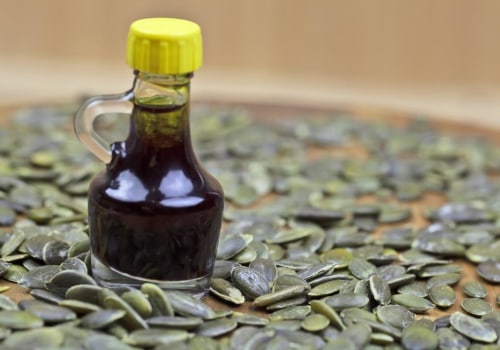
- Zinc: This mineral plays a significant role in tissue growth and repair, including that of the scalp. Zinc deficiency can lead to hair shedding. Good sources include oysters, beef, pumpkin seeds, and chickpeas.
- Copper: Copper helps in the formation of melanin, which gives hair its color. It also supports iron absorption.
Foods rich in copper include shellfish, nuts, seeds, and whole grains.
Key Nutrients for Healthy Hair Regrowth
When it comes to hair restoration, understanding the key nutrients that contribute to healthy hair regrowth is essential. Each nutrient plays a unique role in promoting hair health, and incorporating them into your diet can significantly enhance your hair's vitality.Protein: The Building Block of Hair
Protein is fundamental for hair growth as it forms the structure of hair strands. Hair is primarily made up of a protein called keratin, which means that adequate protein intake is crucial for maintaining strong and healthy hair.Without sufficient protein, hair can become weak, brittle, and prone to breakage. To ensure you are getting enough protein, consider including the following foods in your diet:
- Lean meats: Chicken, turkey, and lean cuts of beef are excellent sources.
- Fish: Salmon and tuna not only provide protein but also omega-3 fatty acids, which are beneficial for scalp health.
- Dairy products: Milk, yogurt, and cheese are rich in protein and calcium.
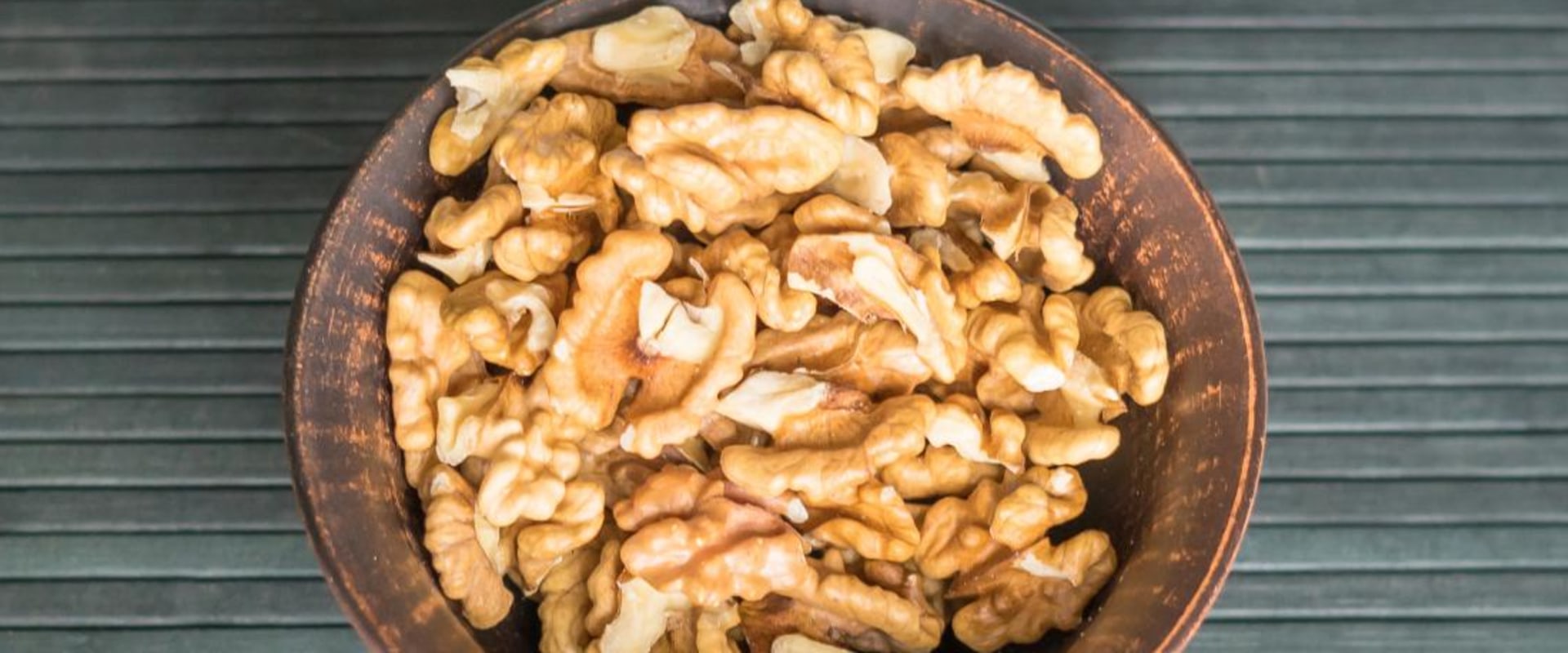
- Nuts and seeds: Almonds, walnuts, and chia seeds offer plant-based protein options.
- Legumes: Beans, lentils, and chickpeas are great sources of protein for vegetarians and vegans.
Iron: Essential for Oxygen Transport
Iron plays a critical role in transporting oxygen to the hair follicles. A deficiency in iron can lead to hair loss because the follicles do not receive the oxygen they need to thrive. This nutrient is particularly important for women who may experience lower iron levels due to menstruation. Incorporate iron-rich foods into your meals to support hair health:- Red meat: Beef and lamb are among the richest sources of heme iron, which is easily absorbed by the body.
- Poultry: Chicken and turkey provide a good amount of iron as well.
- Leafy greens: Spinach and kale are excellent plant-based sources of non-heme iron.
- Legumes: Lentils and beans are not only high in iron but also packed with protein.
- Fortified cereals: Many breakfast cereals are fortified with iron, making them a convenient option.
Biotin: The Hair Growth Vitamin
Biotin, also known as vitamin B7, is renowned for its role in promoting healthy hair growth. It helps strengthen hair follicles and encourages the production of keratin.A deficiency in biotin can lead to thinning hair or even hair loss. You can boost your biotin intake by consuming:
- Eggs: Particularly the yolk, which is rich in biotin.
- Nuts: Almonds and walnuts are great sources of this vital nutrient.
- Sweet potatoes: These are not only delicious but also packed with biotin.
- Avocados: A nutritious fruit that provides healthy fats along with biotin.
- Salmon: This fish is not only rich in omega-3s but also contains biotin.
Zinc: Supporting Hair Structure
Zinc is another essential mineral that contributes to hair health by supporting the structure of hair follicles. It plays a role in cell reproduction and helps maintain hormone levels that can affect hair growth. A deficiency in zinc can lead to hair loss or slow regrowth. Add these zinc-rich foods to your diet for optimal hair restoration:- Seafood: Oysters are one of the best sources of zinc available.
- Poultry: Chicken and turkey provide a good amount of zinc as well.
- Nuts and seeds: Pumpkin seeds and cashews are excellent plant-based sources of zinc.
- Dairy products: Cheese and yogurt can help boost your zinc intake.
- Whole grains: Foods like quinoa and brown rice contain zinc along with other beneficial nutrients.
Foods to Include in Your Diet for Hair Restoration
When it comes to hair restoration , the foods you consume play a pivotal role in promoting healthy hair growth. A well-rounded diet rich in specific nutrients can significantly enhance the health of your hair.Below, we categorize essential foods based on their nutrient content and provide practical tips for incorporating them into your daily meals.
Protein-Rich Foods
Protein is a fundamental building block for hair, as it helps to strengthen and repair hair follicles. Here are some excellent sources of protein:- Lean Meats: Chicken, turkey, and lean cuts of beef are great options.
- Fish: Salmon and mackerel are not only high in protein but also rich in omega-3 fatty acids.
- Eggs: Packed with protein and biotin, eggs are versatile and can be included in various meals.
- Nuts and Seeds: Almonds, walnuts, and chia seeds provide both protein and healthy fats.
- Legumes: Beans, lentils, and chickpeas are excellent plant-based protein sources.
Iron-Rich Foods
Iron is crucial for delivering oxygen to hair follicles, which is essential for growth. Consider adding these iron-rich foods to your diet:- Red Meat: Beef and lamb are among the best sources of heme iron.
- Poultry: Chicken and turkey provide a good amount of iron as well.
- Leafy Greens: Spinach, kale, and Swiss chard are excellent plant-based sources of iron.
- Fortified Cereals: Many breakfast cereals are fortified with iron, making them an easy addition to your morning routine.
Zinc-Rich Foods
Zinc plays a vital role in hair tissue growth and repair. Foods high in zinc include:- Seafood: Oysters are particularly high in zinc, but crab and lobster are also good options.
- Nuts: Cashews and pumpkin seeds are great snacks that boost your zinc intake.
- Dairy Products: Cheese and yogurt can help meet your daily zinc requirements.
Biotin Sources
This B-vitamin is essential for healthy hair growth.Foods rich in biotin include:
- Eggs: The yolk is particularly high in biotin.
- Sweet Potatoes: These are not only delicious but also packed with biotin.
- Avocados: A great source of healthy fats and biotin, avocados can be added to salads or smoothies.
By making these small adjustments to your diet, you can significantly enhance your hair's health and promote effective hair restoration.
Foods to Avoid for Optimal Hair Health
While incorporating nutrient-rich foods into your diet is essential for promoting healthy hair growth, it is equally important to recognize and limit certain foods that can hinder your hair restoration efforts. Here are some key categories of foods to avoid for optimal hair health:- Processed Foods: Foods high in refined sugars and unhealthy fats can lead to inflammation in the body, which may negatively impact hair follicles. Items such as sugary snacks, fast food, and pre-packaged meals often contain additives and preservatives that can disrupt hormonal balance, further contributing to hair loss.
- High-Sugar Foods: Excessive sugar intake can lead to insulin resistance, which has been linked to hair thinning. Foods like candies, pastries, and sugary beverages should be consumed sparingly.
Instead, opt for natural sweeteners or fruits that provide vitamins without the added sugars.
- Trans Fats: Found in many fried foods and baked goods, trans fats can increase inflammation and reduce blood circulation to the scalp. This lack of circulation can deprive hair follicles of essential nutrients needed for growth. Always check labels for partially hydrogenated oils, a common source of trans fats.
- Excessive Alcohol: While moderate alcohol consumption may not have a significant impact on hair health, excessive drinking can lead to dehydration and nutrient deficiencies. Alcohol can also disrupt the absorption of vital nutrients necessary for hair growth, such as zinc and B vitamins.
- Caffeine: While moderate caffeine consumption is generally safe, excessive intake can lead to dehydration and may interfere with sleep patterns.
Poor sleep quality can affect overall health and hair growth. Limit your caffeine intake from sources like coffee, energy drinks, and sodas.
- Skipping Meals: Regularly missing meals can lead to nutrient deficiencies that directly affect hair growth. Ensure you maintain a balanced diet with regular meal times.
- Over-Restricting Calories: Extreme dieting or calorie restriction can cause the body to enter a state of stress, leading to hair shedding.
Focus on a balanced approach that includes a variety of food groups.
Lifestyle Changes to Support Hair Growth
When it comes to promoting healthy hair growth, diet is just one piece of the puzzle. Lifestyle changes play a crucial role in supporting hair restoration and ensuring that your hair remains vibrant and strong. Here are some key lifestyle factors to consider:Stress Management
High levels of stress can significantly impact hair health, leading to conditions such as telogen effluvium, where hair follicles enter a resting phase and hair falls out more easily.To combat stress, consider incorporating the following techniques into your daily routine:
- Meditation: Practicing mindfulness or meditation for just a few minutes each day can help reduce anxiety and promote relaxation.
- Exercise: Regular physical activity not only boosts your mood but also improves blood circulation, which is essential for delivering nutrients to hair follicles.
- Hobbies: Engaging in activities you enjoy can serve as a great stress reliever. Whether it’s painting, gardening, or reading, find time for what makes you happy.
The Importance of Sleep
Quality sleep is another vital component of healthy hair growth. During sleep, your body undergoes repair processes that are essential for overall health, including the health of your hair. Here are some tips to improve your sleep quality:- Establish a Routine: Going to bed and waking up at the same time every day helps regulate your body’s internal clock.
- Create a Relaxing Environment: Make your bedroom conducive to sleep by keeping it dark, quiet, and cool.
- Avoid Screens Before Bed: The blue light emitted by phones and computers can interfere with melatonin production, making it harder to fall asleep.
Avoiding Harsh Chemicals
The products you use on your hair can also affect its health.Many commercial shampoos, conditioners, and styling products contain harsh chemicals that can strip away natural oils and damage hair. To promote healthy hair growth, consider the following:
- Choose Natural Products: Look for shampoos and conditioners that are free from sulfates, parabens, and artificial fragrances.
- Limit Heat Styling: Excessive use of heat styling tools can lead to breakage. Try air-drying your hair or using heat protectant sprays when styling.
- Be Gentle: Avoid aggressive brushing or towel-drying; instead, opt for a wide-tooth comb and pat your hair dry gently.
The Importance of Hydration in Hair Health
When it comes to achieving healthy hair, hydration is often an overlooked yet crucial factor.Just as our bodies require water to function optimally, our hair and scalp also depend on adequate hydration to maintain their health and vitality. Water plays a significant role in various bodily functions, including nutrient transport, temperature regulation, and waste removal, all of which indirectly affect hair growth. One of the primary ways hydration impacts hair health is through its effect on the scalp. A well-hydrated scalp is essential for creating an optimal environment for hair follicles to thrive. When the scalp is dehydrated, it can lead to dryness, flakiness, and irritation, which may hinder hair growth and contribute to conditions like dandruff.
Furthermore, a hydrated scalp promotes better blood circulation, ensuring that essential nutrients reach the hair follicles effectively.
Water Intake for Healthy Hair
To support healthy hair growth, it is recommended that individuals consume an adequate amount of water daily. While the exact amount can vary based on factors such as age, activity level, and climate, a general guideline is to aim for at least 8 glasses (64 ounces) of water per day. However, those who are physically active or live in hot climates may need to increase their intake further. In addition to drinking water, incorporating hydrating foods into your diet can also contribute to overall hydration levels. Foods with high water content include:- Cucumbers
- Watermelon
- Strawberries
- Celery
- Oranges
- Spinach
The Effects of Dehydration on Hair
Dehydration can have several negative effects on hair health.When the body lacks sufficient water, it prioritizes hydration for vital organs over non-essential functions like hair growth. This can lead to:
- Dullness: Dehydrated hair often appears lifeless and lacks shine.
- Brittleness: Insufficient moisture can make hair more prone to breakage and split ends.
- Slow Growth: A lack of hydration can slow down the growth cycle of hair follicles.
- Scalp Issues: Dehydration may lead to a dry or itchy scalp, which can exacerbate hair loss.
Supplements: Do You Need Them?
When it comes to promoting hair regrowth, many individuals wonder if they should consider supplements as part of their regimen. While a balanced diet rich in essential nutrients is the foundation for healthy hair, supplements can play a supportive role, especially when dietary intake may be insufficient.Understanding Hair Growth Supplements
Hair growth supplements typically contain a combination of vitamins, minerals, and other compounds that are believed to support hair health.
Some of the most common ingredients found in these supplements include:
- Biotin: A B-vitamin that is crucial for the production of keratin, a protein that makes up hair.
- Vitamin D: Known to play a role in the hair growth cycle and may help create new follicles.
- Zinc: Essential for tissue growth and repair, zinc deficiency can lead to hair loss.
- Iron: Important for oxygen transport in the body; low iron levels can contribute to hair thinning.
- Omega-3 Fatty Acids: These healthy fats nourish the hair and support scalp health.
When to Consider Supplements
If you notice signs of hair thinning or loss, it may be time to evaluate your diet and consider supplementation. Here are some scenarios where supplements might be beneficial:
- Your diet lacks variety: If you find it challenging to consume a wide range of nutrient-dense foods, supplements can help fill the gaps.
- You have specific dietary restrictions: Vegetarians or vegans may need additional sources of nutrients like iron and protein that are more readily available in animal products.
- You experience increased stress: Stress can deplete essential nutrients; supplements may help restore balance.
The Importance of Consulting a Healthcare Professional
Before starting any supplement regimen, it is crucial to consult with a healthcare professional. They can assess your individual needs through blood tests and dietary evaluations. This step is vital because:
- Over-supplementation can be harmful: Excessive intake of certain vitamins and minerals can lead to toxicity and adverse health effects.
- Interactions with medications: Some supplements may interfere with prescription medications or exacerbate existing health conditions.
- A tailored approach is best: A healthcare provider can recommend specific supplements based on your unique health profile and hair restoration goals.
Instead, they should complement it under the guidance of a healthcare professional to ensure safety and effectiveness.
FAQs About Diet and Hair Restoration
When it comes to hair restoration, many people have questions about how diet influences hair growth and overall health. Below are some frequently asked questions that address common concerns and misconceptions.What foods are best for promoting hair growth?
To support healthy hair growth, focus on incorporating a variety of nutrient-dense foods into your diet. Key nutrients include:- Protein: Essential for building hair structure. Include sources like chicken, fish, eggs, and legumes.
- Iron: Vital for oxygen transport to hair follicles.
Foods like spinach, lentils, and red meat are excellent sources.
- Zinc: Helps with hair tissue growth and repair. Found in nuts, seeds, and whole grains.
- Biotin: A B-vitamin crucial for hair health. Eggs, almonds, and avocados are rich in biotin.
Can a poor diet cause hair loss?
Yes, a diet lacking in essential nutrients can lead to hair loss or stunted growth. Deficiencies in vitamins and minerals such as iron, zinc, and protein can weaken hair strands and inhibit new growth.Ensuring a balanced diet is crucial for maintaining healthy hair.
Are there any foods I should avoid for better hair health?
Certain foods can negatively impact hair health. It’s advisable to limit:- Sugary foods: Excess sugar can lead to inflammation and hormonal imbalances that may contribute to hair loss.
- Processed foods: Often low in nutrients and high in unhealthy fats, which can affect overall health.
- Excessive alcohol: Can dehydrate the body and lead to nutrient deficiencies.
Do supplements really help with hair restoration?
While a well-rounded diet is the best way to obtain necessary nutrients, supplements can be beneficial if you have specific deficiencies. However, it’s important to consult with a healthcare provider before starting any supplement regimen to ensure it’s appropriate for your individual needs.Is it true that certain diets can reverse hair loss?
No single diet can guarantee the reversal of hair loss; however, a balanced diet rich in essential nutrients can significantly improve the health of your hair. Focusing on whole foods and maintaining a healthy lifestyle will support your body’s natural ability to promote hair growth.Conclusion: Embracing a Holistic Approach to Hair Restoration
In conclusion, achieving optimal hair restoration is a multifaceted journey that requires a comprehensive approach.Throughout this article, we have explored the critical role that diet plays in promoting healthy hair growth and regrowth. By focusing on a balanced diet rich in essential nutrients, you can significantly enhance the health of your hair.
Key Nutrients for Hair Health
- Protein: As the building block of hair, adequate protein intake is vital. Incorporating sources such as lean meats, fish, eggs, and legumes into your meals can provide the necessary amino acids for hair structure.
- Vitamins and Minerals: Vitamins A, B12, C, D, and E, along with minerals like iron and zinc, are crucial for maintaining healthy hair follicles. These nutrients support various bodily functions that directly impact hair growth.
- Healthy Fats: Omega-3 fatty acids found in fish, flaxseeds, and walnuts can help nourish the scalp and promote a healthy environment for hair growth.
Embracing lifestyle changes is equally important in your quest for hair restoration. Here are some key lifestyle adjustments to consider:
- Stress Management: High stress levels can lead to hair loss. Engaging in relaxation techniques such as yoga, meditation, or deep-breathing exercises can help mitigate stress.
- Avoiding Harsh Chemicals: Limiting exposure to chemical treatments and heat styling can prevent damage to your hair and scalp.
- Regular Exercise: Physical activity improves blood circulation, which is essential for delivering nutrients to the scalp.
If you find it challenging to meet your nutritional needs through diet alone, consider consulting with a healthcare professional about appropriate supplements. By taking these steps, you can pave the way for healthier, more vibrant hair.