Hair loss is a widespread issue that affects millions of individuals across the globe, transcending age, gender, and ethnicity. It can manifest in various forms, from gradual thinning to sudden patches of baldness, and its prevalence is often underestimated. According to the American Academy of Dermatology, nearly 80 million men and women in the United States experience some degree of hair loss. This statistic underscores the importance of understanding the underlying causes and implications of this condition. The causes of hair loss are multifaceted and can range from genetic predispositions to environmental factors.
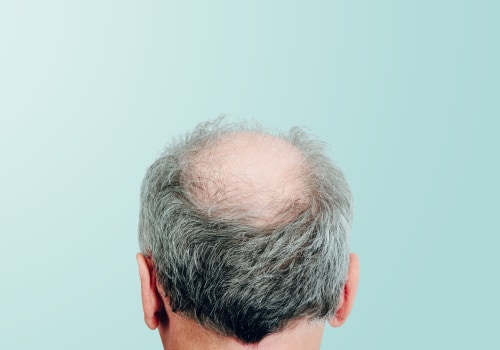
Androgenetic alopecia , commonly known as male-pattern or female-pattern baldness, is one of the most prevalent forms, driven by hormonal changes and genetics. Other factors contributing to hair loss include stress, nutritional deficiencies, medical conditions such as thyroid disorders, and certain medications. Each individual's experience with hair loss is unique, influenced by a combination of these factors. Beyond the physical aspects, the emotional impact of hair loss can be profound. Many individuals report feelings of self-consciousness, anxiety, and even depression as they grapple with changes in their appearance.
The psychological toll can lead to a diminished sense of self-worth and social withdrawal. For many, hair is not just a physical attribute but a significant part of their identity. As such, treatments like Minoxidil become crucial not only for restoring hair but also for enhancing overall well-being and confidence. Understanding the complexities surrounding hair loss is essential for those seeking solutions. By addressing both the physical and emotional dimensions of this condition, individuals can make informed decisions about their treatment options and take proactive steps toward regaining their confidence.
What is Minoxidil?
Minoxidil is a topical medication primarily recognized for its role in hair restoration.Originally developed in the late 1950s as an oral medication for treating high blood pressure, its unexpected side effect of promoting hair growth led to its repurposing for treating hair loss. The U. S. Food and Drug Administration (FDA) approved Minoxidil for over-the-counter use in the treatment of androgenetic alopecia, commonly known as male-pattern baldness and female-pattern baldness. As a vasodilator, Minoxidil works by widening blood vessels, which enhances blood flow to the scalp.
This increased circulation delivers essential nutrients and oxygen to hair follicles, stimulating their growth and revitalizing dormant follicles. The mechanism of action involves the enlargement of hair follicles, which can lead to thicker and stronger hair strands. Additionally, Minoxidil is believed to prolong the anagen phase (the active growth phase) of the hair cycle, thereby reducing hair shedding. Minoxidil is available in two primary formulations: a liquid solution and a foam. Both forms are effective, but users may prefer one over the other based on personal preference and ease of application.
The liquid solution is typically applied twice daily, while the foam is often recommended for once-daily use. Regardless of the form chosen, consistency in application is crucial for achieving optimal results. In addition to its primary use in treating androgenetic alopecia, Minoxidil has shown promise in addressing other types of hair loss, such as alopecia areata—a condition characterized by patchy hair loss due to an autoimmune response. While more research is needed to fully understand its efficacy in these cases, many users have reported positive outcomes. Overall, Minoxidil serves as a vital tool in the realm of hair restoration, offering hope to those experiencing various forms of hair loss. Its unique origins and proven effectiveness make it a popular choice among individuals seeking to regain their confidence through improved hair growth.
How Minoxidil Works for Hair Restoration
Minoxidil is a well-known treatment for hair loss, but understanding how it works is crucial for anyone considering its use.The primary mechanism of action of Minoxidil involves its ability to enhance blood circulation in the scalp, which plays a vital role in promoting hair restoration. When applied topically, Minoxidil acts as a vasodilator. This means it widens blood vessels, allowing for increased blood flow to the hair follicles. Enhanced blood circulation delivers essential nutrients and oxygen to the follicles, which are critical for healthy hair growth. This process not only stimulates dormant hair follicles but also strengthens existing ones, reducing the likelihood of hair loss. Moreover, Minoxidil is believed to prolong the anagen phase of the hair growth cycle.
The hair growth cycle consists of three phases: anagen (growth), catagen (transitional), and telogen (resting). By extending the anagen phase, Minoxidil allows hair to grow longer and thicker before entering the resting phase. This results in a fuller appearance over time. In addition to its vasodilatory effects, Minoxidil may also influence the production of certain growth factors and proteins that are essential for hair follicle health. For instance, it has been shown to increase levels of vascular endothelial growth factor (VEGF), which promotes angiogenesis—the formation of new blood vessels.
This further enhances nutrient delivery to the scalp. Another important aspect of Minoxidil's action is its ability to reduce inflammation in the scalp. Chronic inflammation can hinder hair growth and contribute to conditions like androgenetic alopecia. By mitigating inflammation, Minoxidil creates a more favorable environment for hair follicles to thrive. In summary, Minoxidil works through multiple mechanisms: it increases blood flow to the scalp, prolongs the anagen phase of hair growth, boosts levels of vital growth factors, and reduces inflammation. These combined effects make it a powerful option for those seeking effective hair restoration.
Forms of Minoxidil: Liquid vs.
Foam When it comes to choosing a Minoxidil product for hair restoration, users typically have two primary options: liquid solution and foam. Each form has its unique characteristics, application methods, and user experiences that can influence effectiveness and preference.
Application Methods
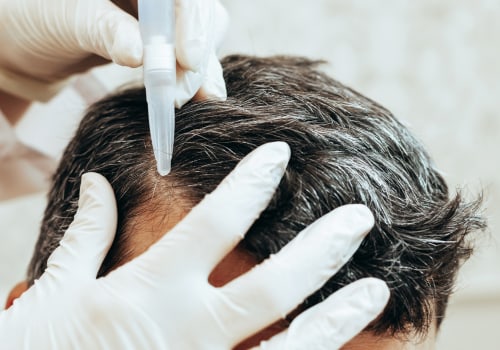
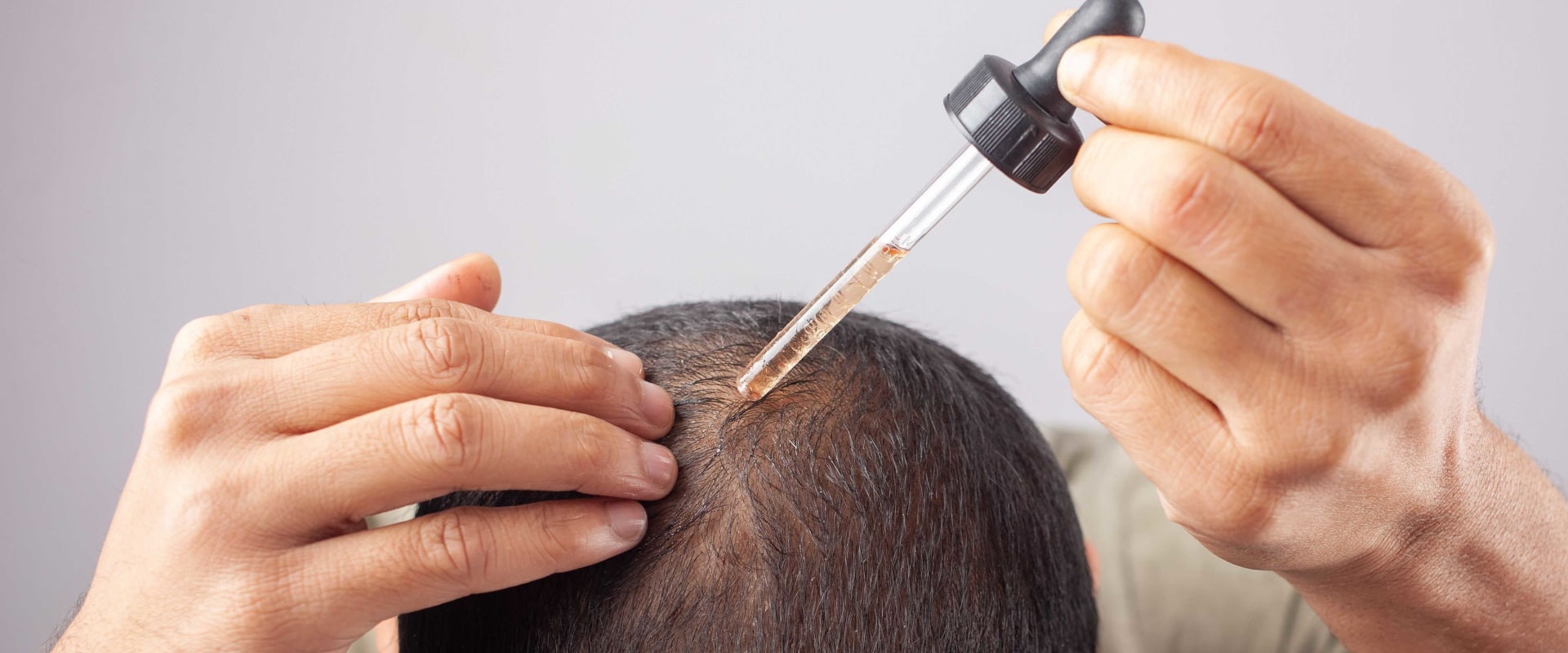
The application method is one of the most significant differences between liquid and foam Minoxidil. The liquid solution is typically dispensed using a dropper or spray applicator. Users apply the liquid directly to the scalp, parting their hair to ensure even distribution.This method allows for precise targeting of specific areas where hair thinning or loss is most pronounced. On the other hand, foam Minoxidil comes in an aerosol canister and is dispensed as a foam that can be easily spread across the scalp. Users are advised to apply the foam with their fingers, which can make it easier to cover larger areas quickly. The foam dries faster than the liquid, which can be a significant advantage for those who prefer a quicker application process.
Effectiveness
Both forms of Minoxidil are effective in promoting hair growth, but individual results may vary. Studies have shown that both liquid and foam formulations can stimulate hair follicles and improve hair density.However, some users report that they find the foam easier to use consistently, which can lead to better adherence to treatment regimens. Moreover, the choice between liquid and foam may also depend on personal preferences regarding scalp sensitivity. Some users experience irritation with the liquid form due to its alcohol content, while others find the foam less irritating and more comfortable for daily use.
User Preferences
User preference plays a crucial role in determining which form of Minoxidil is more suitable for an individual. Many users appreciate the convenience of foam due to its quick-drying properties and ease of application. This can be particularly beneficial for those with busy lifestyles who may not have time for a lengthy application process. Conversely, some individuals prefer the liquid form because it allows for more targeted application, especially in areas where hair loss is more concentrated.Additionally, users who have previously used topical solutions may feel more comfortable continuing with a familiar format. Ultimately, whether you choose liquid or foam Minoxidil will depend on your personal preferences, lifestyle, and how your scalp reacts to each formulation. It may be beneficial to try both forms to determine which one works best for you in your journey toward effective hair restoration.
Effectiveness of Minoxidil for Different Types of Hair Loss
Minoxidil has gained recognition as a potent treatment for various types of hair loss, particularly androgenetic alopecia, which encompasses both male-pattern baldness and female-pattern baldness. Understanding its effectiveness across different hair loss conditions is crucial for individuals seeking solutions.Male-Pattern Baldness
In men, androgenetic alopecia typically manifests as a receding hairline and thinning at the crown. Clinical studies have demonstrated that Minoxidil can significantly slow down hair loss and promote regrowth.
For instance, a study published in the Journal of the American Academy of Dermatology found that approximately 60% of men using a 5% Minoxidil solution experienced moderate to dense hair regrowth after 48 weeks of consistent use.
Female-Pattern Baldness
Women also experience androgenetic alopecia, often characterized by diffuse thinning across the scalp. Research indicates that Minoxidil is effective for women as well. A clinical trial revealed that about 40% of women using a 2% Minoxidil solution reported noticeable hair regrowth after six months. The 5% formulation has shown even better results, with studies indicating a higher percentage of women achieving significant improvements in hair density.
Other Types of Hair Loss
Beyond androgenetic alopecia, Minoxidil has been explored for other forms of hair loss, such as alopecia areata, an autoimmune condition causing patchy hair loss.
While results can vary, some studies suggest that Minoxidil may help stimulate regrowth in individuals with this condition. In one study involving patients with alopecia areata, nearly 50% experienced some degree of hair regrowth when treated with Minoxidil.
Telogen Effluvium
This temporary form of hair loss, often triggered by stress or hormonal changes, can also benefit from Minoxidil treatment. Although research is limited, anecdotal evidence suggests that using Minoxidil may help accelerate recovery and promote new hair growth in individuals experiencing telogen effluvium.
In summary, Minoxidil has proven to be an effective treatment for various types of hair loss, particularly androgenetic alopecia in both men and women. Its ability to stimulate hair regrowth and improve overall scalp health makes it a valuable option for those struggling with hair loss.
As always, consulting with a healthcare provider before starting any treatment is recommended to ensure it aligns with individual needs and conditions.
Potential Side Effects of Using Minoxidil
When considering the use of Minoxidil for hair restoration, it is crucial to be aware of the potential side effects that may arise. While many users experience positive results, understanding both common and serious side effects can help you make an informed decision about your treatment.Common Side Effects
Most individuals using Minoxidil will encounter some mild side effects. These are generally temporary and may diminish as your body adjusts to the medication. Common side effects include:- Scalp Irritation: This can manifest as redness, itching, or a burning sensation on the scalp where Minoxidil is applied.
- Dryness and Flaking: Some users report dry skin or flaking in the treated area, which can be uncomfortable.
- Unwanted Facial Hair Growth: In rare cases, Minoxidil may stimulate hair growth in unintended areas, such as the face.
- Headaches: Some users have reported experiencing headaches after starting treatment.
- Dizziness: A feeling of lightheadedness or dizziness can occur, particularly when standing up quickly.
Serious Side Effects
While serious side effects are less common, they can occur and require immediate medical attention.If you experience any of the following symptoms, it is essential to stop using Minoxidil and consult a healthcare professional:
- Chest Pain: Any discomfort or pain in the chest should be taken seriously.
- Rapid Heart Rate: An unusually fast heartbeat can indicate a serious reaction to the medication.
- Swelling: Swelling of the hands, feet, or face may signal an allergic reaction.
- Fainting: If you experience fainting spells, seek medical help immediately.
- Severe Allergic Reactions: Symptoms such as rash, itching, or difficulty breathing should prompt urgent medical attention.
Cost Considerations for Minoxidil Products
When considering Minoxidil as a treatment for hair restoration, understanding the associated costs is crucial for effective budgeting. The price of Minoxidil products can vary significantly based on several factors, including the form of the product, the brand, and the quantity purchased.Price Ranges for Different Forms of Minoxidil
- Liquid Solution: Typically, a 2% or 5% liquid solution of Minoxidil can range from $10 to $30 per month. This form is often available in smaller bottles (60-120 mL) which may be more affordable but require more frequent purchases.
- Foam: The foam version of Minoxidil is generally priced between $20 and $50 per month.
Many users prefer this form due to its ease of application and quicker drying time.
- Combination Products: Some brands offer combination products that include Minoxidil along with other active ingredients like finasteride. These products can be more expensive, typically ranging from $30 to $80 per month.
Factors Influencing Cost
The overall cost of Minoxidil can also be influenced by:
- Brand: Generic versions are usually less expensive than branded options. However, some users may prefer specific brands due to perceived effectiveness or formulation differences.
- Purchase Location: Prices can vary between local pharmacies and online retailers. It’s advisable to compare prices across different platforms to find the best deal.
- Promotions and Discounts: Many retailers offer discounts or promotions, especially for bulk purchases.
Subscribing to newsletters or loyalty programs can also yield savings.
Budgeting for Hair Restoration Treatment
When planning your budget for hair restoration treatment with Minoxidil, consider the following:
- Initial Costs: Factor in the initial purchase of the product and any additional items you may need, such as applicators or scalp treatments.
- Long-Term Commitment: Hair restoration treatments often require consistent use over several months to see results. Budget accordingly for ongoing monthly expenses.
- Consultation Fees: If you choose to consult a healthcare provider before starting treatment, include any consultation fees in your budget.
Tips for Using Minoxidil Effectively
Using Minoxidil effectively is crucial for achieving the best possible results in hair restoration. Here are some practical tips to help you maximize the benefits of this treatment:- Follow the Instructions: Always adhere to the guidelines provided on the product packaging. This includes the recommended dosage and application frequency.
Misuse can lead to suboptimal results or increased side effects.
- Consistency is Key: For Minoxidil to be effective, it must be applied consistently. Most users are advised to apply it twice daily—once in the morning and once at night. Skipping applications can hinder progress and delay results.
- Application Technique: When applying Minoxidil, ensure that your scalp is clean and dry. Part your hair in sections to allow for even distribution of the solution or foam directly onto the scalp.
Gently massage it into the area with your fingertips to enhance absorption.
- Use the Right Amount: The typical dosage is 1 mL for liquid solutions or half a capful for foam. Using more than the recommended amount will not speed up results and may increase the risk of side effects.
- Avoid Wet Hair: Applying Minoxidil on wet hair can dilute the product and reduce its effectiveness. Ensure your hair is completely dry before application.
- Be Patient: Hair restoration takes time. It may take several months before you notice any visible improvements.
Stay committed to your routine, even if results seem slow initially.
- Monitor Your Scalp Health: Pay attention to how your scalp reacts to Minoxidil. If you experience excessive irritation, redness, or flaking, consider consulting a healthcare professional for advice on how to proceed.
- Avoid Other Hair Products Immediately: After applying Minoxidil, wait at least four hours before using other hair products like gels or sprays. This allows the medication to absorb fully without interference.
- Consult Your Doctor: If you have any concerns about side effects or if you’re not seeing results after a few months, consult with a healthcare provider. They can provide guidance tailored to your specific situation.
Frequently Asked Questions About Minoxidil
When considering Minoxidil as a treatment for hair loss, many individuals have questions and concerns.This section aims to address some of the most frequently asked questions about Minoxidil, helping to clarify common misconceptions and provide valuable insights.
What is Minoxidil and how does it work?
Minoxidil is a topical medication that is primarily used to treat hair loss. It works by increasing blood flow to the hair follicles, which can stimulate hair growth and prevent further hair loss. By enlarging the hair follicles, Minoxidil helps to produce thicker and stronger hair strands.Is Minoxidil effective for everyone?
While many users experience positive results with Minoxidil, its effectiveness can vary from person to person. Factors such as the type of hair loss, duration of use, and individual response to the medication play significant roles in determining its success.Generally, it is most effective for individuals with early stages of androgenetic alopecia.
How long does it take to see results?
Results from using Minoxidil typically take time. Most users may start to notice improvements in hair growth after about 4 to 6 months of consistent use. However, it can take up to a year for optimal results to become visible.Are there any side effects associated with Minoxidil?
Like any medication, Minoxidil can cause side effects. Common side effects include scalp irritation, itching, and dryness.In rare cases, users may experience more severe reactions such as rapid heartbeat or chest pain. It is essential to consult a healthcare provider if any concerning symptoms arise.
Can I use Minoxidil if I have sensitive skin?
If you have sensitive skin, it is advisable to consult with a healthcare professional before starting Minoxidil. They may recommend a patch test or suggest alternative treatments that are gentler on the skin.Does using Minoxidil lead to increased facial hair growth?
Some users report increased facial hair growth as a side effect of using Minoxidil. This occurs due to the medication's action on hair follicles throughout the body.If this side effect is undesirable, it is important to discuss it with your doctor.
Is it necessary to continue using Minoxidil indefinitely?
Minoxidil is not a permanent solution for hair loss. To maintain results, continuous use is required. If treatment is stopped, any new hair growth may be lost within several months. Understanding these common questions about Minoxidil can help users make informed decisions regarding their hair restoration journey. Always consult with a healthcare provider for personalized advice and recommendations.Conclusion: Is Minoxidil Right for You?
As we conclude our exploration of Minoxidil and its role in hair restoration, it’s essential to reflect on the key points discussed throughout this article.Minoxidil has emerged as a popular treatment option for individuals experiencing hair loss, particularly those dealing with androgenetic alopecia, commonly known as male-pattern and female-pattern baldness. One of the most significant advantages of Minoxidil is its accessibility; it is available over-the-counter in both liquid and foam formulations. This allows users to easily incorporate it into their daily routines. However, while many have reported positive results, it is crucial to understand that the effectiveness of Minoxidil can vary from person to person. Factors such as the extent of hair loss, the duration of use, and individual response to the medication all play a role in determining outcomes. Before deciding if Minoxidil is right for you, consider the following:
- Consultation with a Healthcare Provider: It’s advisable to speak with a healthcare professional before starting any new treatment.
They can help assess your specific situation and determine if Minoxidil is appropriate for your type of hair loss.
- Understanding Commitment: Using Minoxidil requires consistency and patience. Results may take several months to become noticeable, and discontinuing use can lead to a reversal of any gains made.
- Awareness of Side Effects: While generally safe, Minoxidil can cause side effects such as scalp irritation or unwanted facial hair growth. Being informed about these potential issues can help you make a more educated decision.
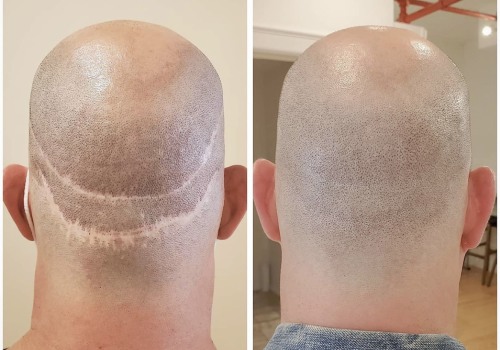
- Exploring Alternatives: If Minoxidil does not seem like the right fit, there are other hair restoration options available, including prescription medications like finasteride or surgical interventions such as hair transplants.
Ultimately, the decision on whether to use Minoxidil should be based on thorough research and personal circumstances.