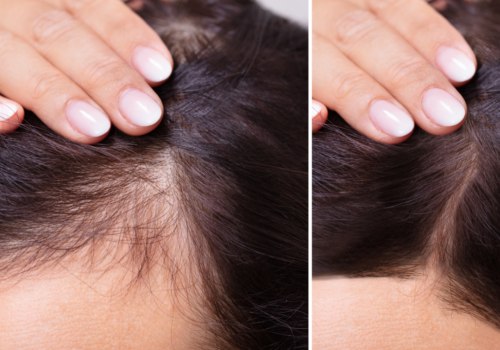
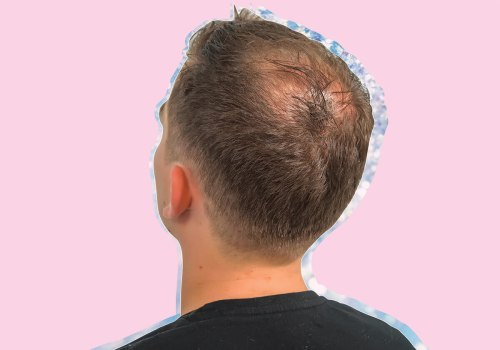
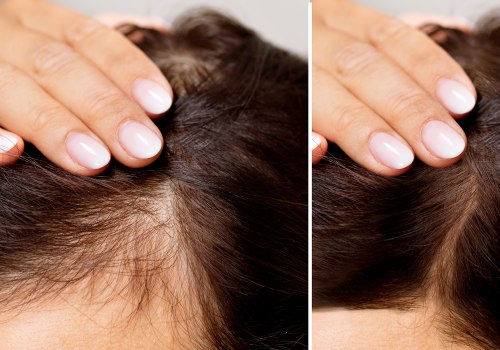
Hair restoration is more than just a cosmetic concern; it plays a crucial role in our overall well-being and self-esteem. For many individuals, the presence of healthy hair is often associated with youthfulness, vitality, and attractiveness. When hair begins to thin or fall out, it can lead to feelings of insecurity and diminished self-worth. Understanding the importance of hair health is essential, as it not only affects our appearance but also impacts our mental and emotional state. Healthy hair serves as a reflection of our internal health.
Factors such as nutrition, stress levels, and overall lifestyle choices can significantly influence the condition of our hair. When we prioritize hair restoration, we are essentially investing in our health. This investment can lead to improved confidence and a more positive self-image. Moreover, maintaining healthy hair can enhance our social interactions and professional opportunities, as it often contributes to first impressions. The benefits of healthy hair extend beyond aesthetics.
Strong, vibrant hair can signify good nutrition and proper care, which are vital for overall physical health. Engaging in practices that promote hair restoration, such as scalp massage, not only stimulates growth but also encourages relaxation and stress relief. This holistic approach to hair care emphasizes the interconnectedness of physical appearance and mental well-being. As we delve deeper into the various methods of promoting hair growth, it becomes clear that natural techniques like scalp massage offer a simple yet effective solution. By understanding the significance of hair restoration and its impact on our lives, we can better appreciate the value of incorporating these practices into our daily routines.
The Science Behind Scalp Massage and Hair Growth
Understanding the physiological effects of scalp massage is essential for appreciating its role in promoting hair growth.When you engage in a scalp massage, you are not merely pampering yourself; you are actively enhancing the health of your hair follicles and scalp.
Blood Circulation and Hair Health
One of the primary benefits of scalp massage is its ability to improve blood circulation. The scalp is rich in blood vessels, and stimulating these vessels through massage increases blood flow to the hair follicles. This enhanced circulation delivers vital nutrients and oxygen that are crucial for hair growth. When hair follicles receive adequate nourishment, they are more likely to produce stronger, healthier strands.
Moreover, improved blood circulation helps to remove toxins from the scalp.
Toxins can accumulate due to environmental factors or product buildup, potentially leading to hair thinning or loss. By promoting better circulation, scalp massage aids in detoxifying the scalp, creating a healthier environment for hair growth.
Stimulation of Hair Follicles
Scalp massage also directly stimulates hair follicles. The gentle pressure applied during a massage can activate the nerve endings in the scalp, which may trigger the production of essential growth factors. These growth factors play a significant role in the hair growth cycle, encouraging dormant follicles to re-enter the anagen (growth) phase.
Additionally, regular scalp massages can help to reduce inflammation in the scalp.
Inflammation can hinder hair growth by disrupting the normal functioning of hair follicles. By alleviating inflammation through massage techniques, you create a more conducive environment for healthy hair development.
Stress Reduction and Its Impact on Hair Growth
Another critical aspect to consider is the relationship between stress and hair health. High levels of stress can lead to conditions such as telogen effluvium, where hair falls out prematurely. Scalp massage serves as an effective stress-relief technique, promoting relaxation and reducing anxiety levels.
This reduction in stress can have a positive ripple effect on your overall health, including your hair growth. In summary, the science behind scalp massage reveals its multifaceted benefits for hair restoration. By enhancing blood circulation, stimulating hair follicles, and reducing stress levels, scalp massage emerges as a powerful tool in promoting healthier hair growth.
Benefits of Scalp Massage for Hair Restoration
Scalp massage is not only a delightful way to pamper yourself, but it also offers a multitude of benefits that extend beyond mere hair growth. Understanding these advantages can help you appreciate the holistic impact of this ancient practice on your overall well-being.1.Enhanced Blood Circulation
One of the primary benefits of scalp massage is its ability to enhance blood circulation in the scalp. Improved blood flow means that more oxygen and nutrients are delivered to hair follicles, which can promote healthier hair growth.
This increased circulation can also help in the removal of toxins that may hinder hair restoration.
2.Stress Reduction
Stress is a significant factor that can negatively impact hair health. Engaging in regular scalp massage can serve as a powerful stress-relief technique. The gentle kneading and pressure applied during the massage stimulate the release of endorphins, which are natural mood lifters. By reducing stress levels, you may find that your hair health improves as a result.
3.Improved Sleep Quality
A relaxing scalp massage can also contribute to better sleep quality.
The calming effects of the massage can help ease tension and promote relaxation, making it easier for you to fall asleep and stay asleep. Quality sleep is essential for overall health and plays a crucial role in hair restoration, as it allows your body to repair and regenerate cells.
4.Scalp Health
Regular scalp massages can improve overall scalp health by promoting the production of natural oils. These oils help keep the scalp moisturized and prevent dryness or flakiness, which can lead to conditions like dandruff. A healthy scalp environment is vital for optimal hair growth and restoration.
5.Relief from Tension Headaches
Many people experience tension headaches due to stress or muscle tightness in the neck and shoulders.
Scalp massage can alleviate this discomfort by relaxing tense muscles and improving circulation in the head area. This not only provides immediate relief but also contributes to long-term relaxation and well-being. In summary, incorporating scalp massage into your routine offers numerous benefits that go beyond just promoting hair growth. From enhancing blood circulation and reducing stress to improving sleep quality and maintaining scalp health, this simple yet effective practice can significantly contribute to your overall hair restoration journey.
Essential Tools for Effective Scalp Massage
To maximize the benefits of your scalp massage, having the right tools is essential. The right tools not only enhance the experience but also improve the effectiveness of the massage, promoting better blood circulation and hair restoration.Here’s a detailed look at some of the best tools for scalp massage and how to choose them.
1.Scalp Massagers
Scalp massagers come in various designs, from handheld devices to electric options. These tools are specifically designed to stimulate the scalp and can be particularly effective in increasing blood flow. When selecting a scalp massager, consider:- Material: Look for massagers made from soft, flexible materials that won’t irritate your scalp.
- Design: Choose a design that fits comfortably in your hand and allows you to reach all areas of your scalp easily.
- Functionality: Some massagers offer vibration or heat features, which can enhance relaxation and effectiveness.
2.Shampoo Brushes
Shampoo brushes are another excellent tool for scalp massages. They are typically used during washing but can also be effective for standalone massages.Benefits include:
- Exfoliation: They help remove dead skin cells and product buildup, promoting a healthier scalp environment.
- Ease of Use: Their ergonomic design makes them easy to handle while applying shampoo or oils.
3.Essential Oils
Incorporating oils into your scalp massage can significantly enhance its benefits. Oils not only provide slip for easier movement but also nourish the scalp and hair. Popular choices include:- Coconut Oil: Known for its moisturizing properties, it penetrates the hair shaft effectively.
- Jojoba Oil: Mimics natural scalp oils and helps balance oil production.
- Rosemary Oil: Often associated with hair growth stimulation, it can invigorate the scalp.
4.Choosing the Right Tools
When selecting tools for your scalp massage routine, consider your specific needs and preferences. Think about factors such as:- Sensitivity: If you have a sensitive scalp, opt for softer bristles or gentler massagers.
- Hair Type: Different hair types may benefit from different oils or techniques; adjust accordingly.
- Frequency of Use: If you plan to use these tools regularly, invest in high-quality options that will last.
Step-by-Step Guide to Performing Scalp Massage
Performing a scalp massage can be a rejuvenating experience that not only promotes hair restoration but also enhances relaxation.Here’s a detailed step-by-step guide to help you master the art of scalp massage.
- Prepare Your Environment: Create a calming atmosphere by choosing a quiet space. Dim the lights and play soft music if desired. This will help you relax and focus on the massage.
- Gather Your Tools: While your fingers are the primary tools for a scalp massage, consider using a scalp massager or a soft-bristled brush. You may also want to have some essential oils or carrier oils like coconut or jojoba oil on hand to enhance the experience.
- Start with Clean Hair: Ensure your hair is clean and free from any styling products.
This allows for better absorption of oils and prevents any buildup from interfering with the massage.
- Apply Oil (Optional): If you choose to use oil, warm a small amount in your hands and gently apply it to your scalp. This not only nourishes your scalp but also provides slip for your fingers, making the massage smoother.
- Begin the Massage: Using your fingertips, start at the base of your neck and work your way up. Use gentle, circular motions, applying light pressure. Focus on areas that feel tense or sore, as these are often where blood flow is restricted.
- Incorporate Different Techniques: Vary your techniques by incorporating kneading motions with your fingers, tapping lightly with your fingertips, or using a gentle pulling motion along the hairline.
Each technique stimulates different areas of the scalp and can enhance circulation.
- Focus on Pressure Points: Pay attention to specific pressure points such as the temples, crown of the head, and behind the ears. Spend extra time on these areas to relieve tension and promote relaxation.
- Duration: Aim for a massage duration of 10 to 20 minutes. This allows sufficient time for relaxation and stimulation without causing discomfort.
- Finish with a Cool Rinse: After completing your massage, rinse your scalp with cool water. This helps close the pores and provides a refreshing sensation.
Regular practice can lead to improved circulation, reduced stress levels, and healthier hair overall.
Incorporating Oils and Products for Enhanced Results
To maximize the benefits of your scalp massage, incorporating the right oils and products can significantly enhance the experience and effectiveness. Not only do these substances provide nourishment to your scalp and hair, but they also create a soothing environment that promotes relaxation and stress relief.Best Oils for Scalp Massage
When selecting oils for your scalp massage, consider those that are known for their nourishing properties. Here are some of the best options:- Coconut Oil: Renowned for its deep moisturizing capabilities, coconut oil penetrates the hair shaft effectively, reducing protein loss and promoting overall hair health.
- Jojoba Oil: This oil closely resembles the natural sebum produced by our scalp, making it an excellent choice for hydration without clogging pores. It helps balance oil production and can soothe dry or irritated skin.
- Argan Oil: Rich in antioxidants and essential fatty acids, argan oil is perfect for restoring shine and softness to hair while also providing a protective barrier against environmental damage.
- Almond Oil: Known for its ability to nourish and strengthen hair, almond oil is packed with vitamins E and D, which are essential for healthy hair growth.
Essential Oils for Hair Growth
In addition to carrier oils, essential oils can be powerful allies in promoting hair growth.Here are some highly regarded essential oils:
- Rosemary Oil: Often cited in studies for its potential to stimulate hair growth, rosemary oil improves circulation to the scalp and may help prevent premature graying.
- Lavender Oil: Known for its calming properties, lavender oil not only reduces stress but also has been shown to promote hair growth in some studies.
- Peppermint Oil: This invigorating oil increases blood flow to the scalp, which can enhance follicle health and promote hair growth.
- Tea Tree Oil: With its antifungal and antibacterial properties, tea tree oil helps maintain a healthy scalp environment, preventing dandruff and other issues that can hinder hair growth.
Products to Use During Scalp Massage
In addition to oils, there are various products designed specifically for scalp massages that can enhance your routine:- Scalp Massagers: These tools come in various forms—manual or electric—and can help stimulate blood flow while providing a relaxing massage experience.
- Hair Masks: Applying a nourishing hair mask during your massage can amplify hydration and repair damaged strands. Look for masks rich in proteins and vitamins.
- Aromatherapy Blends: Consider using pre-mixed blends of essential oils designed for hair growth. These products often combine multiple beneficial oils for maximum effect.
Frequency and Duration: How Often Should You Massage Your Scalp?
When it comes to incorporating scalp massage into your hair care routine, understanding the right frequency and duration is crucial for maximizing its benefits.Regularity is key to stimulating blood flow and promoting hair restoration, but how often should you actually perform these massages?
Frequency of Scalp Massages
- For optimal results, aim to massage your scalp at least two to three times a week. This frequency allows for consistent stimulation of the hair follicles and improved circulation.
- If you are particularly focused on hair restoration, consider increasing the frequency to every other day. This can be especially beneficial if you are using nourishing oils or treatments during your sessions.
- Some individuals may find that daily massages work best for them, especially if they are dealing with stress or tension that affects their scalp health.
Duration of Each Massage Session
- The ideal duration for a scalp massage typically ranges from 5 to 15 minutes. This timeframe is sufficient to enhance blood circulation without causing fatigue or discomfort.
- If you are new to scalp massages, start with shorter sessions of about 5 minutes and gradually increase the time as you become more comfortable with the technique.
- For those who enjoy a more indulgent experience, extending your massage to 20 minutes can provide additional relaxation and stress relief, which in turn can benefit hair growth.
Listening to Your Body
Ultimately, the best approach is to listen to your body.
If you notice any discomfort or irritation during your massages, it may be a sign to reduce the frequency or duration. Additionally, consider varying your technique or the products you use during your sessions to find what works best for you. In summary, establishing a consistent routine of scalp massages—ideally two to three times a week for 5 to 15 minutes—can significantly contribute to hair restoration. By paying attention to how your scalp responds, you can tailor your approach for maximum effectiveness and enjoyment.
Common Mistakes to Avoid During Scalp Massage
While scalp massage can be a powerful tool for promoting hair growth and overall scalp health, there are several common mistakes that individuals often make during the process. Avoiding these pitfalls can enhance the effectiveness of your massage and ensure that you are providing the best care for your scalp.- Using Too Much Pressure: One of the most frequent errors is applying excessive pressure while massaging the scalp.
While it may feel good initially, too much force can lead to discomfort or even damage to hair follicles. Instead, focus on gentle, circular motions that stimulate blood flow without causing pain.
- Neglecting Cleanliness: Performing a scalp massage on a dirty scalp can hinder its effectiveness. Product buildup, oils, and dirt can block the absorption of any nourishing oils you may use. Always start with a clean scalp to maximize the benefits of your massage.
- Skipping Oils or Moisturizers: Another common mistake is neglecting to use oils or moisturizers during the massage.
These products not only provide slip for your fingers but also nourish the scalp and hair. Consider using natural oils like coconut or jojoba oil, which can enhance hydration and promote hair health.
- Massaging for Too Short a Time: Many people underestimate the time needed for an effective scalp massage. A quick rub may feel nice but won’t provide significant benefits. Aim for at least 10-15 minutes to allow adequate stimulation of blood circulation and relaxation of tension in the scalp.
- Ignoring Specific Areas: Focusing solely on one part of the scalp while neglecting others is a common oversight.
Ensure you cover all areas, including the nape of the neck and around the ears, as these regions can also benefit from increased circulation.
- Not Being Consistent: Lastly, inconsistency can undermine your efforts. Scalp massage should be part of a regular routine to see lasting results. Aim to incorporate it into your weekly self-care regimen for optimal hair restoration benefits.
FAQs About Scalp Massage and Hair Restoration
Scalp massage has gained popularity as a natural method for promoting hair restoration, but many people still have questions about its effectiveness and techniques.Here, we address some of the most frequently asked questions regarding scalp massage and its impact on hair growth.
What are the benefits of scalp massage for hair growth?
Scalp massage is believed to enhance blood circulation to the hair follicles, which can promote healthier hair growth. Increased blood flow delivers essential nutrients and oxygen to the scalp, potentially revitalizing dormant hair follicles. Additionally, the relaxation associated with scalp massage can reduce stress, which is known to contribute to hair loss.How often should I perform scalp massages?
For optimal results, it is recommended to perform scalp massages at least 2-3 times a week. Consistency is key; regular massages can help maintain improved circulation and promote a healthy scalp environment conducive to hair growth.Can scalp massage help with hair loss?
While scalp massage can support overall scalp health and may aid in reducing hair loss due to stress or poor circulation, it is not a guaranteed solution for all types of hair loss.Conditions such as androgenetic alopecia or alopecia areata may require medical intervention. Always consult with a healthcare professional for personalized advice.
Are there any myths about scalp massage?
- Myth: Scalp massage can cause hair to grow thicker.
- Fact: While it may stimulate growth, it does not change the thickness of existing hair strands.
- Myth: You need special tools for an effective scalp massage.
- Fact: Your fingertips are sufficient; however, tools like massagers can enhance the experience.
What techniques should I use during a scalp massage?
To perform an effective scalp massage, use your fingertips to apply gentle pressure in circular motions across your entire scalp. Focus on areas that feel tense or sore. You can also incorporate oils like coconut or jojoba oil to nourish your scalp while massaging. In summary, understanding the facts about scalp massage and its role in hair restoration can help you make informed decisions about your hair care routine.By addressing common questions and misconceptions, you can better appreciate the potential benefits of this relaxing practice.
Conclusion: Embracing Scalp Massage as a Natural Solution for Hair Restoration
In conclusion, incorporating scalp massage into your hair care routine can be a transformative step towards achieving optimal hair restoration. Throughout this article, we have explored the myriad benefits of scalp massage, including its ability to enhance blood circulation, promote relaxation, and nourish the scalp. These factors are crucial for fostering an environment conducive to healthy hair growth. By regularly engaging in this simple yet effective practice, you not only stimulate the hair follicles but also create a moment of self-care that can significantly reduce stress levels. Stress is often a hidden culprit behind hair loss, and by addressing it through scalp massage, you are taking a proactive approach to your overall well-being. Moreover, the use of natural oils during your massage can further amplify the benefits.Oils such as coconut , jojoba , and argan not only provide hydration but also deliver essential nutrients directly to the scalp. This combination of physical stimulation and nourishment can lead to noticeable improvements in hair texture and strength over time. As you embark on your journey towards hair restoration, remember that consistency is key. Aim to incorporate scalp massage into your routine at least a few times a week. Whether you choose to do it in the shower or as part of a relaxing evening ritual, make it a habit that you look forward to. Finally, while scalp massage is an excellent natural solution for promoting hair growth, it should be part of a holistic approach to hair health.
This includes maintaining a balanced diet rich in vitamins and minerals, staying hydrated, and avoiding harsh chemical treatments whenever possible. By embracing these practices alongside regular scalp massages, you can create a comprehensive strategy for achieving vibrant and healthy hair. In summary, scalp massage is not just a luxury; it is an essential practice for anyone serious about hair restoration. By dedicating time to this nurturing ritual, you are investing in the health of your hair and scalp, paving the way for long-lasting results.