Thyroid disorders are often overlooked as a potential cause of hair loss, yet they play a significant role in the health of your hair. The thyroid gland, a small butterfly-shaped organ located in the neck, is responsible for producing hormones that regulate various bodily functions, including metabolism, energy levels, and even hair growth. When this gland is not functioning properly, it can lead to an imbalance in hormone levels, which may manifest as hair thinning or loss. Understanding the intricate relationship between thyroid disorders and hair loss is crucial for anyone experiencing these issues. Many individuals may not realize that conditions such as hypothyroidism and hyperthyroidism can directly impact the hair growth cycle.
Hypothyroidism, characterized by an underactive thyroid, often results in a decrease in hair production and can lead to dry, brittle hair. Conversely, hyperthyroidism, where the thyroid is overactive, can cause rapid hair loss and changes in hair texture. This connection highlights the importance of recognizing symptoms early and seeking appropriate treatment to mitigate hair loss. Moreover, the journey towards effective hair restoration begins with understanding these underlying thyroid issues. By addressing the root cause of hair loss—whether it be hormonal imbalances or autoimmune conditions like Hashimoto's thyroiditis—individuals can take proactive steps towards restoring their hair health.
This section aims to shed light on how thyroid disorders contribute to hair loss and why it is essential to explore this connection for successful treatment outcomes.
What Are Thyroid Disorders?
The thyroid gland, a small butterfly-shaped organ located at the base of the neck, plays a pivotal role in regulating various bodily functions through hormone production. It primarily produces two key hormones: thyroxine (T4) and triiodothyronine (T3). These hormones are essential for maintaining metabolism , energy levels, and overall growth and development. When the thyroid gland is not functioning properly, it can lead to a range of medical conditions known as thyroid disorders. Thyroid disorders can be broadly categorized into several types, each with distinct characteristics and symptoms:- Hypothyroidism: This condition arises when the thyroid gland fails to produce sufficient amounts of hormones.
Common symptoms include fatigue, weight gain, cold intolerance, dry skin, hair loss, and depression. Hypothyroidism can significantly slow down metabolic processes.
- Hyperthyroidism: In contrast to hypothyroidism, hyperthyroidism occurs when the thyroid gland overproduces hormones. Symptoms may include weight loss, increased appetite, rapid heartbeat, anxiety, heat intolerance, and insomnia. This condition can accelerate metabolic functions.
- Hashimoto's Thyroiditis: An autoimmune disorder where the immune system attacks the thyroid gland, leading to hypothyroidism.
Symptoms often mirror those of hypothyroidism but may also include swelling in the neck due to an enlarged thyroid (goiter).
- Graves' Disease: Another autoimmune disorder that results in hyperthyroidism. It can cause symptoms such as bulging eyes (exophthalmos), increased sweating, and irritability.
- Goiter: This condition involves an enlargement of the thyroid gland and can occur in both hypothyroidism and hyperthyroidism. While it may not always present symptoms, it can lead to visible swelling in the neck.
- Thyroid Cancer: Although rare, thyroid cancer can develop in the thyroid gland. Symptoms may include a lump in the neck, difficulty swallowing, or changes in voice.
Recognizing these symptoms is crucial for early diagnosis and treatment. For instance, individuals with hypothyroidism may experience significant fatigue and weight gain, while those with hyperthyroidism might notice increased energy levels but also anxiety and weight loss. Understanding how the thyroid gland functions is essential for grasping the implications of these disorders on overall health. The hormones produced by the thyroid influence nearly every cell in the body, affecting metabolism and energy utilization. Therefore, any disruption in hormone levels can lead to systemic effects that extend beyond just physical appearance or hair health. In summary, thyroid disorders encompass a variety of conditions that can significantly impact bodily functions through hormonal imbalances.
Recognizing their types and symptoms is vital for effective management and treatment.
Types of Thyroid Disorders
Thyroid disorders encompass a range of conditions that can significantly impact overall health, including hair loss. Understanding the different types of thyroid disorders is crucial for identifying symptoms and seeking appropriate treatment. Below are the primary types of thyroid disorders:- Hypothyroidism : This condition arises when the thyroid gland fails to produce sufficient hormones, leading to a slowdown in metabolic processes. Common symptoms include:
- Fatigue and weakness
- Weight gain despite a normal diet
- Cold intolerance
- Dry skin and hair
- Constipation
- Depression and mood swings
- Hyperthyroidism : In contrast to hypothyroidism, hyperthyroidism occurs when the thyroid gland produces an excess of hormones.
This condition can lead to symptoms such as:
- Unexplained weight loss
- Increased appetite
- Nervousness and anxiety
- Heat intolerance and excessive sweating
- Rapid heartbeat or palpitations
- Goiter : A goiter refers to an enlargement of the thyroid gland, which can occur in both hypothyroidism and hyperthyroidism. Symptoms may include:
- A visible swelling at the base of the neck
- Difficulties swallowing or breathing if the goiter is large enough
- Thyroiditis : This condition involves inflammation of the thyroid gland and can be caused by infections or autoimmune responses. Symptoms may include:
- Pain in the neck or throat
- Swelling in the neck area
- Fatigue and fever in some cases
- Thyroid Cancer : Although rare, thyroid cancer can develop in the thyroid gland. Symptoms may include:
- A lump or nodule in the neck that may be felt or seen
- Difficulties swallowing or breathing if the tumor is large
- Changes in voice or hoarseness
Early diagnosis and treatment can help manage symptoms effectively and potentially restore hair growth.
How Thyroid Disorders Affect Hair Health
Thyroid disorders can significantly impact hair health due to their influence on hormonal balance and the hair growth cycle. The thyroid gland produces hormones that are crucial for regulating various bodily functions, including metabolism and energy levels. When these hormones are imbalanced, it can lead to a cascade of effects that ultimately result in hair loss. In individuals with hypothyroidism , the thyroid gland does not produce enough hormones, leading to a slowdown in metabolic processes. This deficiency can disrupt the normal hair growth cycle, which consists of three phases: anagen (growth), catagen (transition), and telogen (resting).In hypothyroidism, the anagen phase may be shortened, causing hair to enter the telogen phase prematurely. As a result, individuals may experience increased shedding and thinning of hair. Conversely, hyperthyroidism involves an overproduction of thyroid hormones, which can also lead to hair loss. In this case, the rapid metabolism can cause hair follicles to become overstimulated, leading to diffuse hair loss across the scalp. This condition may also trigger autoimmune responses that further exacerbate hair loss. The connection between thyroid disorders and hair loss is not solely due to hormonal levels; it also involves the body’s overall health and nutritional status.
For instance, individuals with thyroid disorders often experience deficiencies in essential nutrients such as iron, zinc, and vitamins A and D, all of which play vital roles in maintaining healthy hair. A lack of these nutrients can weaken hair follicles and contribute to hair loss. Moreover, stress is another critical factor that can worsen the effects of thyroid disorders on hair health. Stress can trigger or exacerbate autoimmune conditions like Hashimoto's thyroiditis , leading to further hormonal imbalances and increased hair shedding. Understanding these biological mechanisms is essential for those experiencing hair loss related to thyroid disorders. By addressing the underlying hormonal imbalances through appropriate medical treatment and lifestyle changes, individuals may be able to restore their hair health and improve their overall well-being.
Symptoms of Hair Loss Related to Thyroid Disorders
Understanding the symptoms of hair loss related to thyroid disorders is crucial for early detection and effective management.Hair loss can manifest in various forms, and recognizing these symptoms can help individuals seek appropriate medical advice. Thyroid disorders can lead to two primary types of hair loss: scarring alopecia and non-scarring alopecia. Each type has distinct characteristics and underlying mechanisms.
Non-Scarring Alopecia
This type of hair loss is more common in individuals with thyroid disorders. It occurs when the normal hair growth cycle is disrupted, leading to thinning or shedding without permanent damage to the hair follicles. Symptoms of non-scarring alopecia include:- Diffuse Thinning: A general thinning of hair across the scalp, often noticeable at the crown or temples.
- Increased Shedding: An increase in the number of hairs falling out during daily activities such as brushing or washing.
- Slow Hair Growth: A noticeable decrease in the rate at which hair grows back after being cut or shed.
Scarring Alopecia
Scarring alopecia, although less common, can occur in some cases of thyroid disorders.This type involves inflammation that damages hair follicles, leading to permanent hair loss. Symptoms may include:
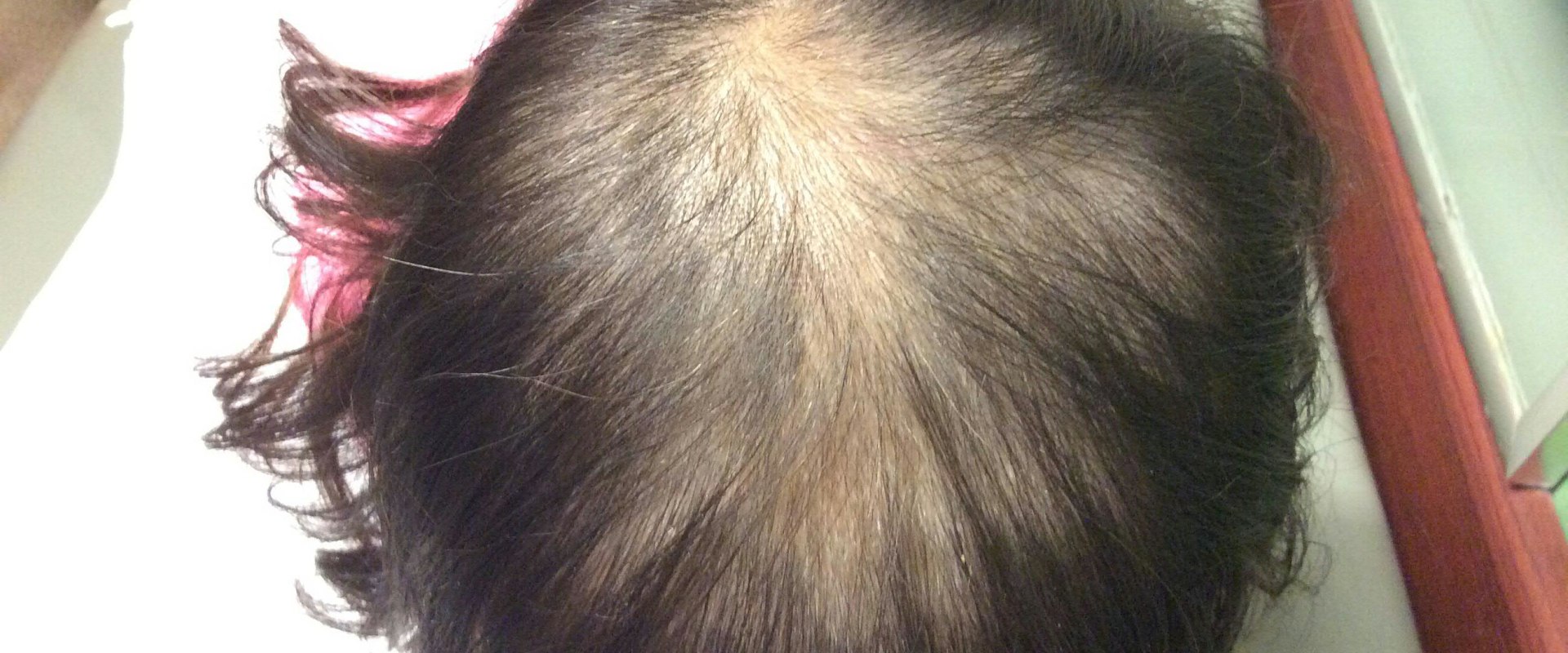
- Patches of Baldness: Smooth, shiny patches on the scalp where hair has been lost.
- Itching or Pain: Discomfort in areas where hair loss is occurring, often accompanied by redness or swelling.
- Changes in Scalp Texture: The affected areas may feel different from the surrounding scalp, often appearing scarred or discolored.
- Fatigue: A common symptom of both hypothyroidism and hyperthyroidism that can lead to stress and further exacerbate hair loss.
- Nutritional Deficiencies: Thyroid disorders can impact nutrient absorption, leading to deficiencies in vitamins and minerals essential for healthy hair growth.
- Stress and Anxiety: The emotional toll of dealing with a thyroid disorder can contribute to hair loss through stress-related mechanisms.
Diagnosis of Thyroid Disorders and Hair Loss
Diagnosing thyroid disorders and their potential link to hair loss involves a comprehensive approach that includes a detailed medical history, physical examination, and specific laboratory tests.Healthcare professionals utilize these methods to accurately identify the underlying issues affecting thyroid function and hair health.
Medical History and Physical Examination
The first step in diagnosing thyroid disorders typically involves a thorough medical history. Patients are often asked about:
- Family history of thyroid disease
- Personal history of autoimmune conditions
- Symptoms such as fatigue, weight changes, or mood fluctuations
- Any medications currently being taken that may affect thyroid function
- Swelling or enlargement of the thyroid gland (goiter)
- Changes in skin texture or hair quality
- Heart rate abnormalities
Laboratory Tests for Thyroid Function
To confirm a diagnosis, healthcare providers often order blood tests to evaluate thyroid hormone levels. The most common tests include:
- Thyroid-Stimulating Hormone (TSH) Test: This test measures the level of TSH in the blood, which is produced by the pituitary gland to regulate thyroid hormone production. High levels may indicate hypothyroidism, while low levels suggest hyperthyroidism.
- T4 and T3 Tests: These tests measure the levels of thyroxine (T4) and triiodothyronine (T3), the primary hormones produced by the thyroid gland.
Abnormal levels can help pinpoint specific thyroid disorders.
- Thyroid Antibody Tests: In cases where autoimmune disorders like Hashimoto's or Graves' disease are suspected, tests for antibodies against thyroid tissue can provide valuable insights.
Diagnosing Hair Loss Causes
If hair loss is present alongside suspected thyroid issues, additional evaluations may be necessary. Dermatologists or trichologists may perform:
- Scalp Examination: A visual inspection of the scalp can help identify patterns of hair loss and any signs of inflammation or scarring.
- Hair Pull Test: This test involves gently pulling on a small section of hair to assess how many strands come out, which can indicate the stage of hair loss.
- Biopsy: In some cases, a scalp biopsy may be performed to examine the hair follicles and determine if there is an underlying condition affecting hair growth.
Treatment Options for Thyroid Disorders and Hair Loss
Managing thyroid disorders and the associated hair loss requires a comprehensive approach that addresses both the underlying hormonal imbalances and the symptoms of hair loss. Treatment options vary depending on whether a person is diagnosed with hypothyroidism or hyperthyroidism, and they may include medications, lifestyle changes, and in some cases, surgical interventions.Treatment for Hypothyroidism
Hypothyroidism is typically treated with hormone replacement therapy. The most common medication prescribed is levothyroxine, a synthetic form of the thyroid hormone thyroxine (T4).This medication helps restore normal hormone levels in the body, which can alleviate symptoms such as fatigue, weight gain, and hair loss. It is crucial for patients to have their hormone levels monitored regularly to ensure that they are receiving the correct dosage.
- Regular Monitoring: Blood tests are essential to monitor thyroid hormone levels and adjust medication dosages as needed.
- Dietary Considerations: Incorporating foods rich in iodine, selenium, and zinc can support thyroid function. Foods like fish, dairy products, nuts, and seeds are beneficial.
- Stress Management: Reducing stress through practices such as yoga or meditation can help improve overall health and potentially reduce hair loss.
Treatment for Hyperthyroidism
For those diagnosed with hyperthyroidism, treatment options aim to reduce the production of thyroid hormones. Common treatments include:- Antithyroid Medications: Drugs such as methimazole or propylthiouracil can inhibit hormone production.
- Radioactive Iodine Therapy: This treatment involves taking radioactive iodine orally, which selectively destroys overactive thyroid cells.
- Surgery: In severe cases, a partial or total thyroidectomy may be necessary to remove part or all of the thyroid gland.
Hair Restoration Treatments
In addition to treating the underlying thyroid disorder, individuals experiencing hair loss may explore various hair restoration treatments.These can include:
- Minoxidil: An over-the-counter topical treatment that promotes hair growth and is often recommended for both men and women.
- Platelet-Rich Plasma (PRP) Therapy: This involves drawing a small amount of blood from the patient, processing it to concentrate the platelets, and injecting it into the scalp to stimulate hair follicles.
- Hair Transplant Surgery: For those with significant hair loss, surgical options may provide a more permanent solution by relocating hair follicles from denser areas to thinning areas.
Lifestyle Changes to Support Hair Restoration
Making lifestyle changes can significantly enhance both thyroid health and hair restoration. By focusing on nutrition, stress management, and overall well-being, individuals can create a supportive environment for their thyroid and hair follicles.Nutritional Strategies for Hair Restoration
A well-balanced diet plays a crucial role in maintaining thyroid function and promoting hair growth. Here are some key nutritional strategies:- Incorporate Iodine-Rich Foods: Iodine is essential for thyroid hormone production.
Include foods such as seaweed, fish, dairy products, and iodized salt in your diet.
- Focus on Selenium: Selenium supports thyroid function and can be found in Brazil nuts, sunflower seeds, and fish. A small handful of Brazil nuts can provide your daily requirement.
- Ensure Adequate Iron Intake: Iron deficiency can lead to hair loss. Incorporate iron-rich foods like red meat, lentils, spinach, and fortified cereals. Pair these with vitamin C sources to enhance absorption.
- Include Omega-3 Fatty Acids: Omega-3s promote scalp health and can be found in fatty fish like salmon, walnuts, and flaxseeds.
These healthy fats help reduce inflammation that may affect hair growth.
- Stay Hydrated: Proper hydration is vital for overall health. Aim to drink at least eight glasses of water a day to keep your body functioning optimally.
Stress Management Techniques
Chronic stress can exacerbate thyroid disorders and contribute to hair loss. Implementing effective stress management techniques can help mitigate these effects:- Meditation and Mindfulness: Practicing mindfulness or meditation for just 10-15 minutes a day can help reduce stress levels. Consider guided meditation apps or local classes to get started.
- Regular Exercise: Physical activity releases endorphins, which improve mood and reduce stress.
Aim for at least 30 minutes of moderate exercise most days of the week.
- Deep Breathing Exercises: Simple deep breathing techniques can help calm the mind and body. Try inhaling deeply through your nose for a count of four, holding for four, and exhaling through your mouth for four.
- Sufficient Sleep: Quality sleep is essential for managing stress and supporting thyroid health. Aim for 7-9 hours of sleep each night by establishing a calming bedtime routine.
- Connect with Others: Building a support network of friends or family can provide emotional relief during stressful times. Consider joining support groups or engaging in community activities.
Remember that consistency is key; small changes over time can lead to significant improvements in both health and well-being.
FAQs About Thyroid Disorders and Hair Loss
When it comes to thyroid disorders and their connection to hair loss, many individuals have questions. Below are some frequently asked questions that can help clarify common misconceptions and provide deeper insights into this complex relationship.What is the connection between thyroid disorders and hair loss?
Thyroid disorders can significantly impact hair health due to hormonal imbalances. Both hypothyroidism (underactive thyroid) and hyperthyroidism (overactive thyroid) can lead to hair loss. In hypothyroidism, the lack of thyroid hormones slows down the hair growth cycle, resulting in thinning hair.Conversely, hyperthyroidism can cause hair to fall out more rapidly, leading to diffuse thinning or patchy bald spots.
Can hair loss from thyroid disorders be reversed?
In many cases, yes. If the underlying thyroid disorder is diagnosed and treated effectively, hair loss may be reversible. Treatment options may include hormone replacement therapy for hypothyroidism or medications to manage hyperthyroidism. However, the extent of recovery can vary from person to person.Are there specific types of alopecia associated with thyroid issues?
Yes, individuals with thyroid disorders may experience different types of alopecia:- Alopecia Areata: An autoimmune condition that can cause sudden patchy hair loss.
- Telogen Effluvium: A temporary condition where stress or hormonal changes push hair follicles into a resting phase, leading to shedding.
- Difuse Thinning: Commonly seen in hypothyroidism, where hair becomes uniformly thinner across the scalp.
What are some myths about hair loss related to thyroid disorders?
- Myth 1: All hair loss is due to genetics.
While genetics play a role, thyroid disorders are a significant factor that can lead to hair loss.
- Myth 2: Hair loss from thyroid issues is permanent. With proper treatment, many individuals see improvement in their hair growth.
- Myth 3: Only women experience hair loss from thyroid disorders. Men are also affected and can experience similar symptoms.
Conclusion: The Path to Understanding and Managing Hair Loss from Thyroid Disorders
In conclusion, understanding the intricate relationship between thyroid disorders and hair loss is crucial for anyone experiencing these challenges.The thyroid gland plays a pivotal role in regulating various bodily functions, including metabolism and hair growth. When this gland is compromised, whether through conditions like hypothyroidism or hyperthyroidism , it can lead to significant changes in hair health. Throughout this article, we have explored the different types of thyroid disorders and their specific impacts on hair loss. It is essential to recognize that not all hair loss is the same; it can manifest as diffuse thinning or patchy bald spots, depending on the underlying thyroid condition. This variability underscores the importance of a tailored approach to treatment. Moreover, we discussed how external factors such as stress and nutritional deficiencies can exacerbate hair loss in individuals with thyroid disorders.
Addressing these triggers is just as important as managing the thyroid condition itself. A holistic approach that includes lifestyle modifications, dietary adjustments, and stress management can significantly enhance the effectiveness of medical treatments. For those grappling with hair loss linked to thyroid issues, seeking professional advice is paramount. A healthcare provider can conduct appropriate tests to diagnose the specific thyroid disorder and recommend a comprehensive treatment plan. This may involve hormone replacement therapy, medications to regulate hormone production, or even surgical interventions in severe cases. Ultimately, understanding your body’s signals and seeking timely medical intervention can pave the way for effective hair restoration.
By prioritizing thyroid health and addressing any related issues proactively, individuals can reclaim not only their hair but also their overall well-being. Remember, you are not alone in this journey; support from healthcare professionals and a strong personal commitment to your health can lead to positive outcomes.