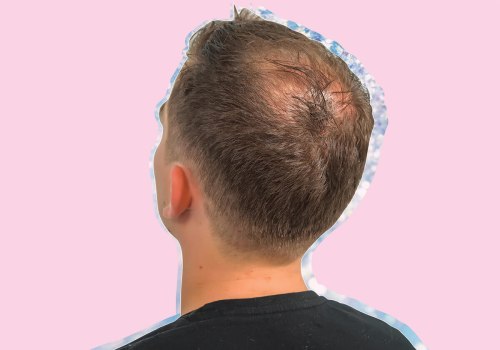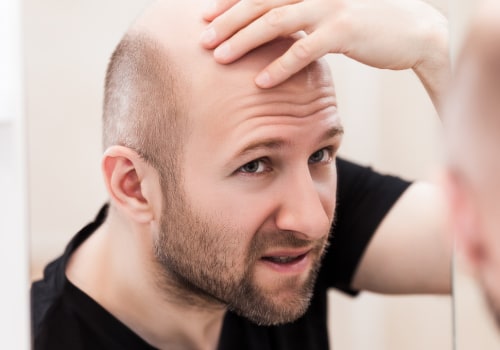
Hair loss is a common condition that affects millions of individuals worldwide, transcending age, gender, and ethnicity. It can manifest in various forms, from gradual thinning to complete baldness, and its prevalence is increasing due to factors such as genetics, lifestyle choices, and environmental influences. Understanding the underlying causes of hair loss is crucial for those seeking effective treatments. Common causes include hormonal changes, nutritional deficiencies, stress, and certain medical conditions.
For instance, androgenetic alopecia, often referred to as male or female pattern baldness, is primarily driven by genetic predisposition and hormonal fluctuations. The emotional impact of hair loss can be profound. Many individuals experience a significant decline in self-esteem and confidence as they grapple with their changing appearance. This psychological burden can lead to feelings of embarrassment, anxiety, and even depression. Social interactions may become daunting as individuals worry about how others perceive them.
The stigma surrounding hair loss can exacerbate these feelings, making it essential to address not only the physical aspects of hair restoration but also the emotional well-being of those affected. As society becomes increasingly aware of the importance of appearance and self-image, the demand for effective hair restoration solutions has surged. Treatments like Low-Level Laser Therapy (LLLT) offer hope for those struggling with hair loss by providing a non-invasive option that stimulates hair growth and improves scalp health. By understanding the complexities of hair loss and its emotional ramifications, individuals can make informed decisions about their treatment options and take proactive steps toward regaining their confidence.
What is Low-Level Laser Therapy (LLLT)?
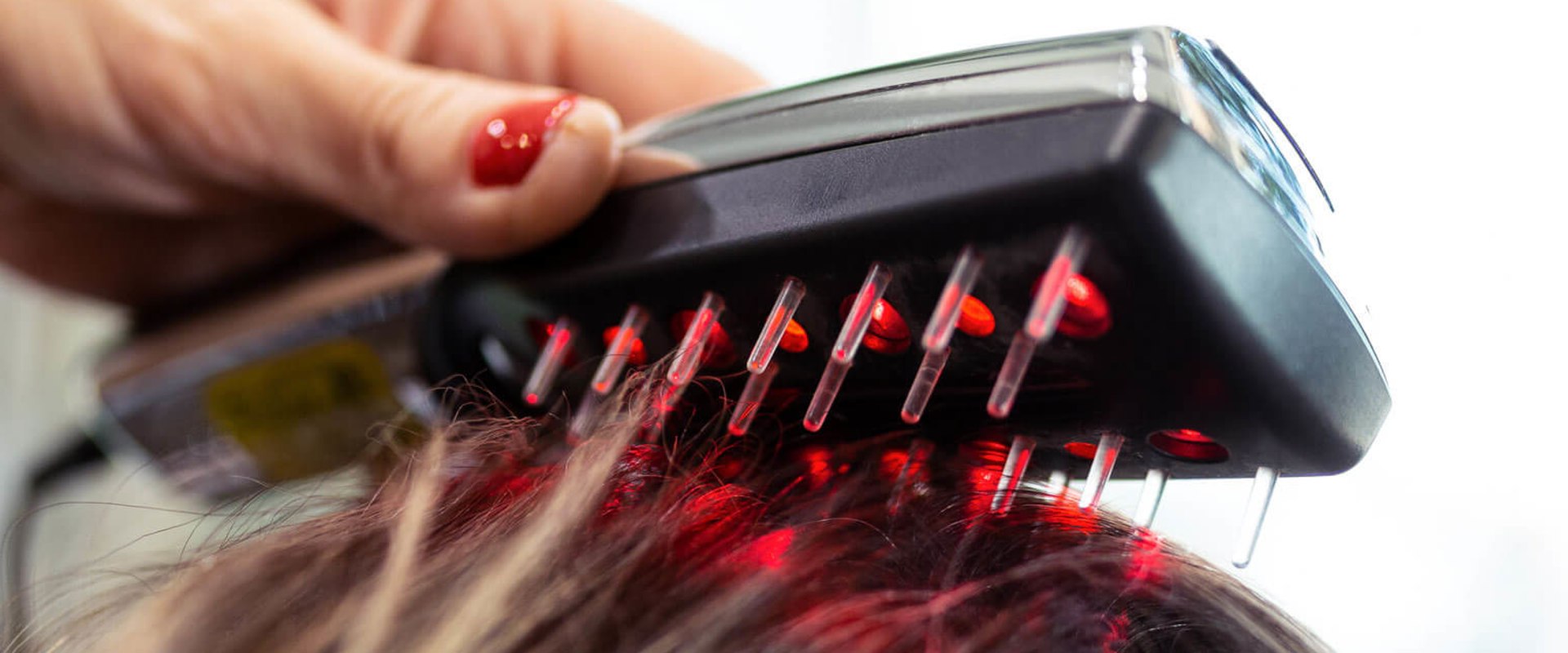
Low-Level Laser Therapy (LLLT) is a cutting-edge treatment modality that employs low-energy laser light to promote hair restoration. This non-invasive technique has gained traction in recent years as a viable option for individuals experiencing hair loss, offering a unique approach compared to traditional methods such as hair transplants or pharmaceutical treatments. At its core, LLLT utilizes specific wavelengths of light, typically in the red or near-infrared spectrum, to penetrate the scalp and stimulate cellular activity.The technology behind LLLT is grounded in the principles of photobiomodulation, where light energy is absorbed by cells, leading to increased adenosine triphosphate (ATP) production. ATP is crucial for cellular metabolism and energy transfer, which can enhance the health and function of hair follicles. Unlike other hair restoration methods that may involve surgical procedures or chemical applications, LLLT is painless and requires no downtime. Patients can undergo treatment sessions in a clinical setting or at home using FDA-cleared laser devices designed for personal use. This flexibility makes LLLT an attractive option for those seeking a less invasive solution to hair loss. One of the significant advantages of LLLT is its ability to stimulate hair growth without the side effects commonly associated with medications like minoxidil or finasteride.
While these drugs can be effective, they often come with unwanted effects such as scalp irritation or sexual dysfunction. In contrast, LLLT has been shown to be safe for most individuals, making it a suitable alternative for those who are sensitive to conventional treatments. Moreover, LLLT can be used in conjunction with other hair restoration therapies to enhance overall results. For instance, combining LLLT with topical treatments or platelet-rich plasma (PRP) therapy may yield synergistic effects, further promoting hair growth and improving scalp health. In summary, Low-Level Laser Therapy represents a revolutionary approach to hair restoration that harnesses the power of light to stimulate hair follicles and promote growth. Its non-invasive nature, minimal side effects, and compatibility with other treatments make it an appealing choice for individuals seeking effective solutions for hair loss.
How Does Low-Level Laser Therapy Work?
Low-Level Laser Therapy (LLLT) operates through a fascinating interplay of light and biological processes that stimulate hair follicles, promoting hair growth.At its core, LLLT utilizes specific wavelengths of laser light, typically in the red or near-infrared spectrum, which are absorbed by the cells in the scalp. This absorption triggers a series of biochemical reactions that enhance cellular function. When the laser light penetrates the scalp, it is absorbed by the mitochondria within the cells. Mitochondria are often referred to as the "powerhouses" of the cell because they generate adenosine triphosphate (ATP), the primary energy currency of cells. The increased ATP production resulting from LLLT provides the necessary energy for various cellular processes, including those involved in hair growth. One of the key mechanisms by which LLLT promotes hair restoration is through improved blood circulation.
The stimulation of hair follicles leads to vasodilation, which increases blood flow to the scalp. Enhanced circulation delivers more oxygen and nutrients to hair follicles, creating an optimal environment for hair growth. This process not only helps in revitalizing dormant hair follicles but also strengthens existing ones. Moreover, LLLT has been shown to reduce inflammation in the scalp. Chronic inflammation can hinder hair growth and contribute to conditions like androgenetic alopecia and alopecia areata.
By mitigating inflammation, LLLT helps create a healthier scalp environment conducive to hair restoration. In addition to these effects, LLLT also stimulates the production of growth factors and proteins essential for hair development. For instance, it can increase levels of vascular endothelial growth factor (VEGF), which plays a crucial role in promoting blood vessel formation around hair follicles. This not only supports existing hair but also encourages new hair growth. In summary, Low-Level Laser Therapy works by harnessing laser light to stimulate cellular activity within the scalp. Through increased ATP production, enhanced blood circulation, reduced inflammation, and elevated levels of growth factors, LLLT effectively promotes hair restoration.
Understanding these mechanisms underscores why LLLT is considered a promising solution for individuals experiencing hair loss.
Benefits of Low-Level Laser Therapy for Hair Restoration
Low-Level Laser Therapy (LLLT) has emerged as a revolutionary approach in the field of hair restoration, offering a multitude of benefits that can significantly enhance the hair growth experience for individuals suffering from hair loss. Below, we delve into the key advantages of LLLT, highlighting why it is becoming a preferred choice for many seeking to restore their hair.- Increased Hair Density: One of the most notable benefits of LLLT is its ability to promote increased hair density. Clinical studies have shown that patients undergoing LLLT often experience a noticeable improvement in the number of hair follicles actively producing hair. This increase in density not only contributes to a fuller appearance but also enhances overall hair health.
- Reduced Shedding: Many individuals dealing with hair loss face the frustrating issue of excessive shedding.
LLLT has been found to help reduce this shedding by strengthening existing hair follicles and promoting healthier growth cycles. As a result, patients may notice fewer hairs falling out during daily activities, such as brushing or washing their hair.
- Improved Scalp Health: A healthy scalp is crucial for optimal hair growth, and LLLT plays a significant role in enhancing scalp health. The therapy increases blood circulation in the scalp, delivering essential nutrients and oxygen to hair follicles. This improved circulation can help alleviate issues such as dryness, itchiness, and inflammation, creating a more conducive environment for hair growth.
- Painless and Non-Invasive: Unlike surgical options for hair restoration, LLLT is a non-invasive treatment that does not require any downtime.
Patients can undergo sessions without the need for anesthesia or recovery time, making it an attractive option for those with busy lifestyles.
- Safe with Minimal Side Effects: LLLT is generally considered safe for most individuals, with minimal side effects reported. Commonly experienced side effects may include slight redness or irritation at the treatment site, which typically resolves quickly. This safety profile makes LLLT suitable for a wide range of patients.
- Complementary Treatment: LLLT can be effectively combined with other hair restoration treatments, such as minoxidil or finasteride. This synergistic approach can enhance overall results, providing patients with a comprehensive strategy for tackling hair loss.
From increasing hair density and reducing shedding to improving scalp health and offering a safe, non-invasive solution, LLLT presents a promising option for those looking to regain their confidence through enhanced hair growth.
Potential Risks and Side Effects of LLLT
While Low-Level Laser Therapy (LLLT) is widely regarded as a safe and effective treatment for hair loss, it is essential to consider the potential risks and side effects associated with this therapy. Understanding these factors can help individuals make informed decisions about their hair restoration journey. One of the most commonly reported side effects of LLLT is mild skin irritation. This can manifest as redness, swelling, or a slight burning sensation in the treated area. These symptoms are usually temporary and subside shortly after the treatment session.However, if irritation persists or worsens, it is advisable to consult a healthcare professional. Another potential concern is the phenomenon known as shedding. Some patients may experience an increase in hair loss shortly after starting LLLT. This can be alarming, but it is often a sign that the treatment is stimulating the hair follicles to enter a new growth phase. This initial shedding typically resolves within a few weeks, leading to improved hair density over time. In rare cases, individuals may experience allergic reactions to the laser equipment or topical solutions used during treatment.
Symptoms may include itching, rash, or hives. If any of these symptoms occur, it is crucial to discontinue treatment and seek medical advice. Additionally, while LLLT is considered safe for most people, certain individuals may have specific safety concerns. For example, those with light-sensitive conditions or who are taking medications that increase sensitivity to light should exercise caution. Pregnant women and individuals with certain medical conditions should also consult their healthcare provider before undergoing LLLT. It is important to note that the long-term effects of LLLT are still being studied.
While current research indicates that it is generally safe, ongoing monitoring and clinical trials will provide further insights into its efficacy and safety profile. In conclusion, while LLLT offers promising benefits for hair restoration, potential risks and side effects should not be overlooked. Individuals considering this treatment should engage in thorough discussions with their healthcare providers to weigh the benefits against any possible risks.
Current Research and Findings on LLLT for Hair Loss
Recent research into Low-Level Laser Therapy (LLLT) has provided valuable insights into its effectiveness as a treatment for hair loss. Numerous clinical trials and studies have been conducted to evaluate the efficacy of this non-invasive therapy, shedding light on its potential benefits and limitations. One significant study published in the Journal of Cosmetic Dermatology examined the effects of LLLT on patients with androgenetic alopecia, a common form of hair loss. The randomized controlled trial involved 100 participants who received LLLT treatments over a 24-week period.Results indicated that 70% of participants experienced noticeable hair regrowth, with an increase in hair density and thickness compared to the control group that received a placebo treatment. This study underscores the potential of LLLT as a viable option for individuals seeking hair restoration. Another noteworthy investigation published in Lasers in Medical Science focused on the long-term effects of LLLT on hair growth. In this study, researchers followed participants for up to 12 months after completing their LLLT regimen. The findings revealed that not only did patients maintain their hair growth achieved during treatment, but many also reported continued improvement in hair quality and volume.
This suggests that LLLT may have lasting benefits beyond the initial treatment phase. Furthermore, a meta-analysis conducted by researchers at the University of California reviewed multiple studies on LLLT and its effectiveness for hair loss. The analysis concluded that LLLT significantly improved hair count and thickness across various demographics, including both men and women. The researchers emphasized that while individual results may vary, the overall data supports LLLT as a promising option for hair restoration. Despite these positive findings, it is essential to consider the variability in individual responses to LLLT. Factors such as age, gender, and the underlying cause of hair loss can influence treatment outcomes.
Therefore, ongoing research is crucial to better understand how to optimize LLLT protocols for different patient profiles. In summary, current research indicates that Low-Level Laser Therapy is an effective treatment for hair loss, with numerous studies supporting its efficacy. As more clinical trials are conducted, we can expect to gain deeper insights into how this innovative therapy can be tailored to meet individual needs in the quest for effective hair restoration.
Comparing LLLT with Other Hair Restoration Treatments
When considering options for hair restoration, it is essential to evaluate the various treatments available, including Low-Level Laser Therapy (LLLT), minoxidil, and finasteride. Each of these treatments has its unique mechanisms, benefits, and potential drawbacks, making it crucial for individuals to understand how they compare.Minoxidil: A Topical Solution
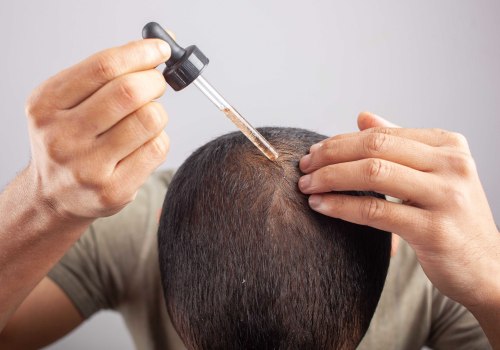
Minoxidil is a widely used topical treatment for hair loss that is available over the counter. It works by increasing blood flow to hair follicles, which can stimulate hair growth and slow down hair loss.Here are some key points regarding minoxidil:
- Application: Minoxidil is applied directly to the scalp, typically twice a day.
- Effectiveness: Many users report visible results within 4 to 6 months, but results can vary significantly.
- Side Effects: Possible side effects include scalp irritation, unwanted facial hair growth, and dizziness.
Finasteride: An Oral Medication
Finasteride is a prescription medication that works by inhibiting the conversion of testosterone to dihydrotestosterone (DHT), a hormone linked to hair loss. Here’s what you should know about finasteride:- Administration: Finasteride is taken orally once a day.
- Efficacy: Clinical studies have shown that finasteride can significantly reduce hair loss and promote regrowth in many men.
- Side Effects: Potential side effects include sexual dysfunction, mood changes, and breast tenderness.
LLLT: A Non-Invasive Alternative
Low-Level Laser Therapy offers a different approach to hair restoration.Unlike minoxidil and finasteride, LLLT does not involve medications or topical solutions. Instead, it utilizes low-energy lasers to stimulate cellular activity in the scalp. Here are some advantages of LLLT:
- Non-Invasive: LLLT is a painless procedure that does not require surgery or injections.
- No Systemic Side Effects: Since LLLT does not involve medication, it generally has fewer side effects compared to oral or topical treatments.
- Complementary Treatment: LLLT can be used alongside other treatments like minoxidil and finasteride for enhanced results.
How to Choose the Right Hair Restoration Treatment for You
Choosing the right hair restoration treatment can be a daunting task, especially with the myriad of options available today.To make an informed decision, it’s essential to consider several factors that can influence the effectiveness of the treatment for your specific situation.
1.Understand Your Hair Loss Type
- Alopecia Areata: This autoimmune condition can cause sudden hair loss in patches. Treatments may include corticosteroids or LLLT.
- Androgenetic Alopecia: Commonly known as male or female pattern baldness, this type often responds well to medications like minoxidil or finasteride, as well as LLLT.
- Telogen Effluvium: Often triggered by stress or hormonal changes, this condition may improve with lifestyle adjustments and topical treatments.
2.Assess Your Health and Medical History
Your overall health plays a crucial role in determining the best treatment for you. Conditions such as hormonal imbalances, thyroid issues, or scalp infections can affect hair loss and should be addressed before starting any treatment. Consulting with a healthcare provider can help identify underlying issues that may need to be treated concurrently.
3.Consider Treatment Goals
What do you hope to achieve with hair restoration? Are you looking for a complete restoration of hair, or are you more focused on slowing down hair loss? Understanding your goals will help narrow down your options.
For instance, if you desire quick results, surgical options like hair transplants might be more suitable than non-invasive treatments.
4.Evaluate Treatment Options
- Medications: Options like minoxidil and finasteride are popular but may require ongoing use for sustained results.
- Low-Level Laser Therapy (LLLT): A non-invasive option that stimulates hair follicles and promotes growth without significant side effects.
- Surgical Procedures: Hair transplants can provide permanent solutions but come with higher costs and recovery times.
- Natural Remedies: Some individuals prefer herbal supplements or essential oils; however, their efficacy is often less scientifically validated.
5.Consult a Specialist
A consultation with a dermatologist or a trichologist can provide personalized insights based on your specific condition and needs. They can recommend the most effective treatments tailored to your hair type and loss pattern. Ultimately, the best approach to hair restoration is one that considers your unique circumstances, preferences, and medical history. Taking the time to evaluate these factors will empower you to make a choice that aligns with your goals for hair health and aesthetics.
Maximizing Results from Low-Level Laser Therapy
To achieve the best possible outcomes from Low-Level Laser Therapy (LLLT) for hair restoration, it is essential to follow specific guidelines and practices that can enhance the effectiveness of the treatment. Here are some actionable tips to maximize your results:- Consistency is Key: Regularity in your LLLT sessions is crucial.
Adhering to the recommended treatment schedule—typically two to three times a week—ensures that your hair follicles receive continuous stimulation, which is vital for promoting hair growth.
- Follow Manufacturer Instructions: If you are using a home-use LLLT device, make sure to read and follow the manufacturer's instructions carefully. Each device may have specific guidelines regarding duration and frequency of use that are tailored for optimal results.
- Combine Treatments: Consider integrating LLLT with other hair restoration treatments such as minoxidil or finasteride. Combining therapies can create a synergistic effect, enhancing overall efficacy and improving hair density.
- Maintain Scalp Health: A healthy scalp is essential for effective hair restoration. Regularly cleanse your scalp to remove excess oil and product buildup, which can hinder laser penetration.
Additionally, consider using gentle, sulfate-free shampoos that promote scalp health.
- Stay Hydrated: Proper hydration supports overall health, including hair health. Drinking adequate water helps maintain optimal blood circulation, which is crucial for delivering nutrients to hair follicles.
- Nutrition Matters: A balanced diet rich in vitamins and minerals can significantly impact hair growth. Incorporate foods high in biotin, zinc, iron, and omega-3 fatty acids to nourish your hair from within.
- Avoid Heat Styling: Minimize the use of heat styling tools during your LLLT treatment period. Excessive heat can damage hair and counteract the benefits of laser therapy.
- Post-Treatment Care: After each LLLT session, avoid washing your hair for at least 24 hours to allow the laser energy to continue working effectively.
This period helps maximize absorption and enhances results.
<strong>Conclusion</strong>
In summary, Low-Level Laser Therapy (LLLT) presents a compelling option for individuals seeking effective hair restoration solutions. Throughout this article, we have explored the multifaceted benefits of LLLT, which include:- Stimulating Hair Growth: LLLT has been shown to promote the proliferation of hair follicles, leading to new hair growth in both men and women suffering from various types of hair loss.
- Enhancing Hair Thickness: Many users report an increase in the density and thickness of existing hair, contributing to a fuller appearance.
- Reducing Shedding: Regular treatments can help decrease the rate of hair shedding, allowing individuals to maintain their existing hair for longer periods.
- Improving Scalp Health: By reducing inflammation and promoting better blood circulation, LLLT can enhance overall scalp health, which is crucial for optimal hair growth.
- Non-Invasive Treatment: As a non-invasive procedure, LLLT offers a safe alternative to more aggressive treatments such as hair transplants or chemical therapies.
Additionally, potential side effects like temporary redness or irritation should be discussed with a healthcare provider prior to starting treatment. In conclusion, LLLT stands out as a promising solution in the realm of hair restoration. Its ability to stimulate hair growth and improve scalp health makes it an attractive option for those looking to combat hair loss. As research continues to evolve, it is crucial for individuals considering this therapy to stay informed about the latest findings and consult with professionals who can guide them through their hair restoration journey. Embracing LLLT could very well be a transformative step towards achieving healthier, fuller hair.