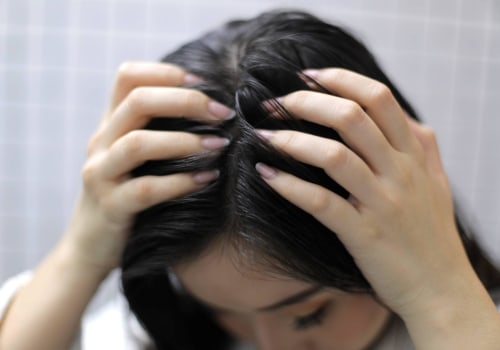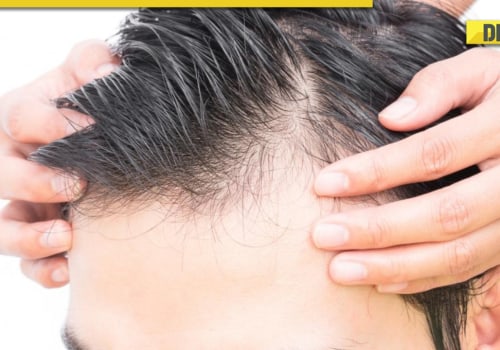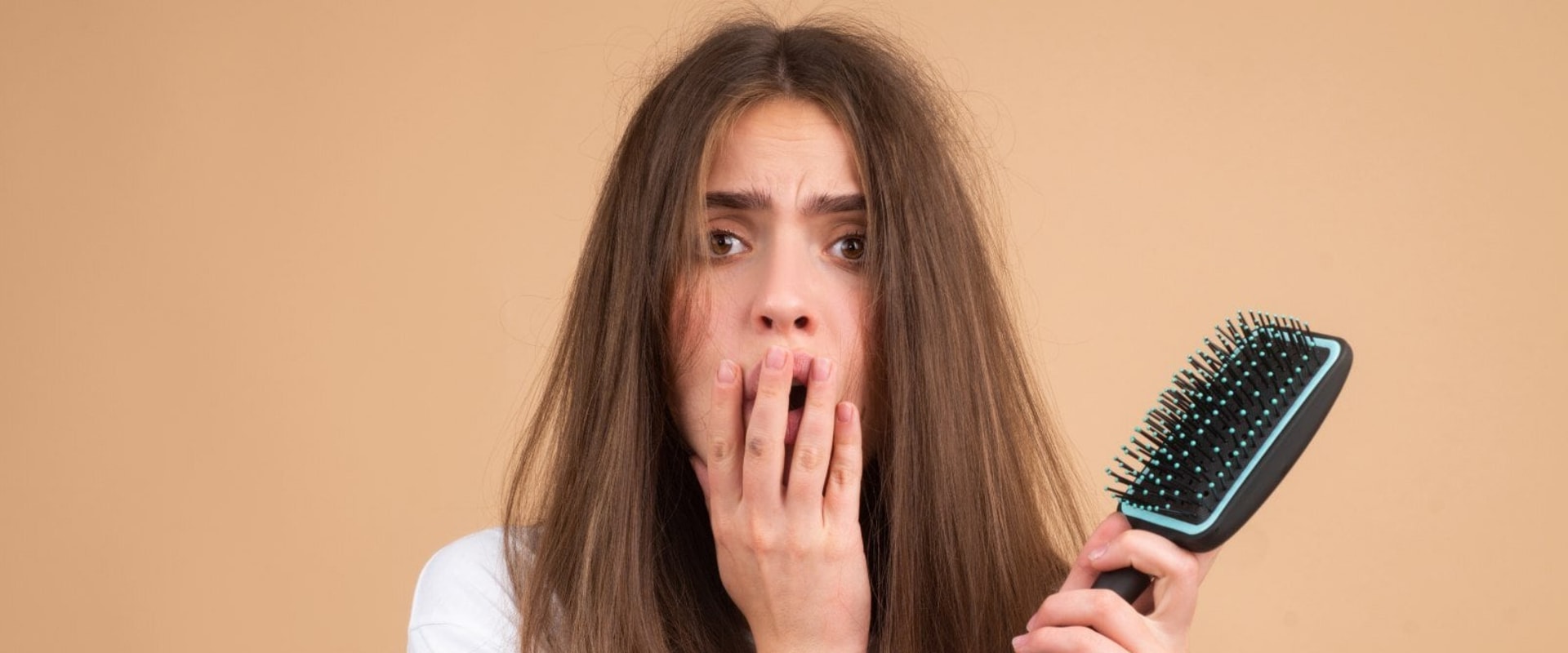
Female hair loss is a significant concern that affects millions of women globally, transcending age, ethnicity, and lifestyle. While it is often perceived as a male issue, the reality is that women experience hair thinning and loss due to a myriad of factors. Understanding the complexities surrounding female hair loss is essential for anyone looking to address this issue effectively. The emotional and psychological impact of hair loss can be profound, leading to decreased self-esteem and confidence.
Therefore, recognizing the underlying causes is the first step toward effective hair restoration. Several factors contribute to female hair loss, including hormonal changes, genetics, medical conditions, and environmental influences. Hormonal fluctuations, particularly those related to pregnancy, menopause, or conditions like polycystic ovary syndrome (PCOS), can significantly affect hair growth cycles. Additionally, genetic predisposition plays a crucial role; women with a family history of hair loss may be more susceptible to experiencing similar issues. Other medical conditions such as thyroid disorders or autoimmune diseases can also lead to hair thinning. Moreover, lifestyle choices cannot be overlooked when discussing female hair loss.
Poor nutrition, high-stress levels, and inadequate sleep can exacerbate the problem. A diet lacking in essential nutrients can weaken hair follicles, while chronic stress can trigger hormonal imbalances that lead to shedding. Understanding these factors not only highlights the importance of lifestyle changes but also empowers women to take proactive steps toward hair restoration. By addressing these underlying issues through informed choices, women can significantly improve their chances of maintaining healthy hair.
The Role of Nutrition in Hair Health
Nutrition plays a pivotal role in maintaining healthy hair and preventing hair loss.A balanced diet that is rich in essential nutrients can significantly impact the strength, growth, and overall health of your hair. Understanding which vitamins and minerals are crucial for hair health can help you make informed dietary choices.
Key Nutrients for Hair Growth
- Protein: Hair is primarily made of a protein called keratin. Consuming adequate amounts of protein from sources like lean meats, fish, eggs, legumes, and nuts is essential for hair structure and growth.
- Iron: Iron deficiency can lead to hair loss, as it affects the oxygen supply to hair follicles. Foods rich in iron include spinach, lentils, red meat, and fortified cereals.
- Zinc: This mineral plays a vital role in hair tissue growth and repair.
It also helps keep the oil glands around the follicles functioning properly. Good sources of zinc include oysters, beef, pumpkin seeds, and chickpeas.
- Vitamins A and C: Vitamin A helps produce sebum, an oily substance that moisturizes the scalp. Vitamin C aids in collagen production and helps absorb iron. Include foods like carrots, sweet potatoes (for Vitamin A), and citrus fruits (for Vitamin C) in your diet.
- B Vitamins: B vitamins, particularly biotin, are known for their role in promoting hair growth.
Whole grains, almonds, meat, fish, and leafy greens are excellent sources of B vitamins.
Foods to Include
Incorporating a variety of nutrient-dense foods into your diet can help support hair health:
- Leafy Greens: Spinach and kale are packed with iron and vitamins A and C.
- Nuts and Seeds: Almonds and flaxseeds provide healthy fats and vitamin E.
- Fatty Fish: Salmon and mackerel are rich in omega-3 fatty acids that nourish the scalp.
- Legumes: Beans and lentils are great plant-based protein sources that also contain iron.
Foods to Avoid
Certain foods can negatively impact hair health. It's advisable to limit or avoid:
- Sugary Foods: High sugar intake can lead to inflammation and hormonal imbalances that may contribute to hair loss.
- Processed Foods: These often lack essential nutrients and can contain unhealthy fats that may hinder hair growth.
- Excessive Alcohol: Alcohol can dehydrate the body and lead to nutrient deficiencies that affect hair health.
Essential Vitamins and Minerals for Hair Restoration
When it comes to hair restoration, understanding the essential vitamins and minerals that support hair growth is crucial. These nutrients play significant roles in maintaining healthy hair follicles, promoting growth, and preventing hair loss.Below, we delve into some of the most important vitamins and minerals for hair health.
Biotin
Biotin, also known as vitamin B7, is often hailed as a miracle worker for hair health. It is vital for the production of keratin, a protein that makes up the structure of hair. A deficiency in biotin can lead to brittle hair and hair loss. Foods rich in biotin include:- Eggs
- Nuts (especially almonds and walnuts)
- Seeds
- Legumes
- Whole grains
- Bananas
Iron
Iron is another critical mineral for healthy hair.It helps red blood cells carry oxygen to the hair follicles, which is essential for their growth and repair. Low iron levels can lead to anemia, which is often associated with hair loss. To boost your iron intake, consider adding:
- Red meat
- Poultry
- Fish
- Dark leafy greens (like spinach and kale)
- Lentils and beans
- Fortified cereals
Zinc
Zinc plays a vital role in tissue growth and repair, including the tissues in your scalp. It also helps maintain oil glands around the follicles, which can prevent dryness and promote healthy hair growth.Foods high in zinc include:
- Oysters
- Beef
- Pumpkin seeds
- Chickpeas
- Nuts (especially cashews)
Vitamins A and C
Vitamin A
is essential for cell growth, including the cells that make up your hair. It also helps produce sebum, an oily substance that moisturizes the scalp and keeps hair healthy. Foods rich in vitamin A include:
- Carrots
- Sweet potatoes
- Kale
- Mangoes
- Eggs
Vitamin C
, on the other hand, is a powerful antioxidant that protects against oxidative stress caused by free radicals. It also aids in collagen production, which strengthens hair structure.
Citrus fruits, strawberries, bell peppers, and broccoli are excellent sources of vitamin C. Incorporating these essential vitamins and minerals into your diet can significantly enhance your efforts in hair restoration. A well-rounded approach to nutrition not only supports healthy hair but also contributes to overall well-being.
Hydration: The Key to Healthy Hair
Hydration plays a crucial role in maintaining healthy hair, yet it is often overlooked in discussions about hair care. The human body is composed of approximately 60% water, and this vital fluid is essential for numerous bodily functions, including the health of your hair. When your body is adequately hydrated, it can effectively transport nutrients to the hair follicles, promoting growth and strength. Water intake directly affects scalp health.A well-hydrated scalp is less prone to dryness and flakiness, which can lead to conditions such as dandruff. Dandruff not only affects the appearance of your hair but can also hinder hair growth by blocking hair follicles. Furthermore, a hydrated scalp creates an optimal environment for hair follicles to thrive, reducing the risk of hair loss. Here are some key benefits of staying hydrated for your hair:
- Improved Nutrient Absorption: Water helps dissolve vitamins and minerals, making them more accessible to your body. This means that essential nutrients like biotin, zinc, and vitamins A and C can be effectively absorbed and utilized for healthy hair growth.
- Enhanced Blood Circulation: Proper hydration supports blood circulation throughout the body, including the scalp.
Improved circulation ensures that hair follicles receive adequate oxygen and nutrients, which are vital for robust hair growth.
- Reduced Hair Breakage: Hydrated hair is more elastic and less prone to breakage. When your hair lacks moisture, it becomes brittle and fragile, leading to split ends and overall damage.
- Balanced Oil Production: A well-hydrated scalp helps maintain a healthy balance of natural oils. This balance prevents both excessive oiliness and dryness, creating an ideal environment for hair growth.
- Drink Plenty of Water: Aim for at least 8-10 glasses of water daily. Adjust this amount based on your activity level and climate conditions.
- Incorporate Hydrating Foods: Include fruits and vegetables with high water content in your diet, such as cucumbers, watermelon, oranges, and leafy greens.
- Avoid Excessive Caffeine and Alcohol: Both caffeine and alcohol can dehydrate the body.
Limit their intake or balance them with additional water consumption.
- Monitor Your Urine Color: A simple way to gauge hydration levels is by checking the color of your urine. Pale yellow indicates proper hydration, while dark yellow suggests dehydration.
Exercise: Boosting Circulation for Hair Growth
Engaging in regular physical activity is not only vital for overall health but also plays a significant role in promoting hair growth. One of the primary benefits of exercise is its ability to enhance blood circulation, which is crucial for delivering essential nutrients and oxygen to hair follicles.Improved circulation can help stimulate hair growth and maintain the health of existing hair. When you exercise, your heart rate increases, leading to better blood flow throughout your body, including the scalp. This increased circulation helps to nourish hair follicles, ensuring they receive the nutrients they need to thrive. Additionally, exercise can help reduce stress levels, which is another factor that can contribute to hair loss.
Types of Exercises Beneficial for Hair Growth
- Aerobic Exercise: Activities such as running, swimming, cycling, and brisk walking are excellent for boosting cardiovascular health. These exercises increase heart rate and improve blood flow, which can enhance nutrient delivery to the scalp.
- Strength Training: Incorporating weight lifting or resistance exercises into your routine can also promote circulation.
Strength training not only builds muscle but also improves overall blood flow, benefiting hair follicles.
- Yoga: This ancient practice combines physical postures with breathing techniques that can significantly reduce stress. Certain yoga poses, such as downward dog and headstand, can also promote blood flow to the scalp.
- Stretching: Simple stretching exercises can improve flexibility and circulation. Focus on neck and shoulder stretches to relieve tension and enhance blood flow to the head.
Remember that consistency is key; regular exercise will yield the best results over time. In conclusion, making exercise a priority in your lifestyle not only supports overall well-being but also fosters an environment conducive to healthy hair growth. By enhancing circulation and reducing stress through physical activity, you can take significant steps toward preventing female hair loss and promoting vibrant hair.
Stress Management Techniques to Combat Hair Loss
Stress is a significant factor that can contribute to female hair loss, as it triggers hormonal changes in the body that may disrupt the natural hair growth cycle. When stress levels rise, the body produces cortisol, a hormone that can lead to hair thinning and shedding. Understanding the connection between stress and hair health is crucial for women looking to maintain their locks.Fortunately, there are several effective stress management techniques that can help mitigate these effects.
Mindfulness and Meditation
Practicing mindfulness involves being present in the moment and acknowledging your thoughts and feelings without judgment. This practice can significantly reduce stress levels and promote relaxation. Techniques such as meditation can help calm the mind, allowing for a more peaceful state that is conducive to healthy hair growth. Regular meditation sessions, even if just for a few minutes each day, can help lower cortisol levels and improve overall well-being.Yoga
Yoga is another powerful tool for managing stress.This ancient practice combines physical postures, breathing exercises, and meditation to create a holistic approach to wellness. Engaging in yoga not only helps to relieve tension in the body but also promotes mental clarity and emotional stability. Specific poses, such as Child’s Pose or Legs-Up-the-Wall Pose, can be particularly beneficial for reducing stress and enhancing relaxation.
Journaling
Writing down your thoughts and feelings can be an effective way to process emotions and reduce stress. Journaling allows you to reflect on your day, identify stressors, and explore solutions in a safe space.By regularly documenting your experiences, you may find patterns in your stress triggers and develop strategies to cope with them more effectively.
Regular Breaks
Incorporating regular breaks into your daily routine is essential for maintaining low stress levels. Whether it’s stepping away from your desk for a few minutes or taking a full day off each week, giving yourself time to recharge can prevent burnout. During these breaks, engage in activities that bring you joy or relaxation, such as reading, walking in nature, or spending time with loved ones. By implementing these stress management techniques , women can take proactive steps toward reducing the impact of stress on their hair health. Remember that while lifestyle changes may not provide immediate results, consistency is key in promoting long-term hair restoration and overall well-being.The Importance of Quality Sleep for Hair Restoration
Quality sleep is a cornerstone of overall health and plays a crucial role in maintaining healthy hair.During sleep, the body undergoes various restorative processes that are essential for physical and mental well-being. This is particularly important for women who are concerned about hair loss, as inadequate sleep can exacerbate the problem. When we sleep, our bodies produce growth hormones that are vital for cellular repair and regeneration. This includes the hair follicles, which require a steady supply of nutrients and oxygen to thrive. Insufficient sleep can lead to elevated levels of cortisol, a stress hormone that has been linked to hair thinning and loss.
Therefore, prioritizing quality sleep is not just beneficial but essential for hair restoration.
Sleep Habits for Preventing Hair Loss
To enhance your sleep quality and, in turn, support your hair health, consider implementing the following habits:- Establish a Consistent Sleep Schedule: Aim to go to bed and wake up at the same time every day, even on weekends. This helps regulate your body's internal clock.
- Create a Relaxing Bedtime Routine: Engage in calming activities before bed, such as reading or taking a warm bath. Avoid screens from phones or computers at least an hour before sleeping.
- Optimize Your Sleep Environment: Ensure your bedroom is dark, quiet, and cool. Consider using blackout curtains or white noise machines to create an ideal sleeping atmosphere.
- Avoid Stimulants: Limit caffeine and nicotine intake in the hours leading up to bedtime.
These substances can disrupt your ability to fall asleep.
- Limit Naps: While short naps can be refreshing, long or irregular napping during the day can negatively affect nighttime sleep.
The Benefits of Quality Sleep
Investing in quality sleep offers numerous benefits beyond just preventing hair loss:- Improved Mood: Adequate sleep helps regulate emotions and reduces feelings of anxiety and depression.
- Enhanced Cognitive Function: A well-rested mind is sharper and more focused, improving decision-making and problem-solving abilities.
- Stronger Immune System: Quality sleep boosts your immune response, helping your body fend off illnesses that could indirectly affect hair health.
- Better Hormonal Balance: Sleep helps maintain hormonal balance, which is crucial for regulating hair growth cycles.
Avoiding Harmful Hair Practices
When it comes to maintaining healthy hair, avoiding harmful hair practices is crucial for preventing female hair loss. Certain hairstyles, chemical treatments, and washing habits can significantly impact the health of your hair and scalp. Understanding these factors can help you make informed choices that promote hair restoration and overall well-being.Harmful Hairstyles to Avoid
Some hairstyles may look stylish but can cause significant damage to your hair over time.Here are a few practices to steer clear of:
- Ponytails and Buns: Tight ponytails or buns can create tension on the hair shaft, leading to a condition known as traction alopecia. This type of hair loss occurs when the hair is pulled too tightly for extended periods.
- Heavy Extensions: While hair extensions can add length and volume, they can also weigh down your natural hair and cause breakage. Opt for lighter extensions or limit their use to special occasions.
- Heat Styling: Frequent use of heat styling tools like straighteners, curling irons, and blow dryers can lead to dryness and brittleness. If you must use heat, always apply a heat protectant spray beforehand.
The Impact of Chemical Treatments
Chemical treatments such as coloring, perming, or relaxing can alter the structure of your hair, making it more susceptible to damage.Here are some effects to consider:
- Coloring: Hair dyes often contain harsh chemicals that can strip moisture from your strands. Frequent coloring can lead to dryness and breakage, especially if not followed by proper conditioning treatments.
- Permanents and Relaxers: These treatments change the natural texture of your hair and can weaken it over time. If you choose to undergo these processes, ensure you follow up with deep conditioning treatments to restore moisture.
Over-Washing: A Common Mistake
While keeping your scalp clean is essential, over-washing can strip away natural oils that protect your hair. Here’s how to find a balance:- Frequency: Washing your hair too often can lead to dryness and irritation.
Aim for 2-3 times a week, depending on your hair type.
- Gentle Products: Use sulfate-free shampoos that are less harsh on your scalp and strands. Look for products that contain nourishing ingredients like argan oil or aloe vera.
Natural Remedies and Therapies for Hair Restoration
When it comes to hair restoration, many individuals seek natural remedies and therapies that can promote healthy hair growth without the side effects often associated with pharmaceutical treatments. This section delves into various natural approaches, including herbal treatments and the benefits of scalp massage.Herbal Remedies for Hair Growth
Herbal remedies have been used for centuries to support hair health.Here are some popular options:
- Rosemary Oil: Known for its ability to stimulate blood circulation in the scalp, rosemary oil can promote hair growth. It is often recommended to mix a few drops with a carrier oil, such as coconut or jojoba oil, and massage it into the scalp.
- Peppermint Oil: This essential oil has been shown to increase blood flow to hair follicles, potentially enhancing hair growth. A study indicated that peppermint oil could significantly increase the number of hair follicles and their depth.
- Aloe Vera: Renowned for its soothing properties, aloe vera can help reduce scalp irritation and dandruff while promoting healthy hair growth. Applying fresh aloe vera gel directly to the scalp can provide nourishment.
- Ginseng: This herb is believed to stimulate hair follicles and improve circulation.
Ginseng supplements or topical applications may help in promoting hair growth.
The Power of Scalp Massage
Scalp massage is a simple yet effective therapy that can significantly benefit hair health. Here are some key advantages:- Increased Blood Circulation: Massaging the scalp enhances blood flow, delivering essential nutrients and oxygen to hair follicles, which is crucial for healthy growth.
- Stress Reduction: Regular scalp massages can help alleviate stress, which is a known contributor to hair loss. The relaxation response triggered by massage can lower cortisol levels in the body.
- Improved Lymphatic Drainage: Scalp massage aids in lymphatic drainage, helping to remove toxins from the scalp area that could hinder hair growth.
Aim for at least 5-10 minutes of massage daily to see noticeable improvements. Incorporating these natural remedies and therapies into your routine can be a holistic approach to hair restoration. While results may vary from person to person, consistency and patience are key in achieving healthier hair over time.
<strong>Conclusion</strong>
In conclusion, addressing female hair loss through lifestyle changes is not only a proactive approach but also a holistic one that encompasses various aspects of health and well-being. By making informed choices regarding diet, exercise, stress management, and sleep habits, women can significantly reduce their risk of hair loss and promote healthier hair growth. Implementing a balanced diet rich in essential nutrients is crucial. Foods high in iron, zinc, and vitamins A, C, and E can fortify hair follicles and support overall hair health.Incorporating a variety of fruits, vegetables, lean proteins, and healthy fats into daily meals can create a nutrient-dense environment conducive to hair restoration. Regular physical activity plays a vital role in enhancing blood circulation, which is essential for delivering nutrients to the scalp. Engaging in aerobic exercises, strength training, or even yoga can help alleviate stress levels, further contributing to a healthier hair growth cycle. Moreover, managing stress effectively cannot be overstated. Chronic stress can lead to hormonal imbalances that negatively impact hair health. Techniques such as mindfulness meditation, deep breathing exercises, and journaling can provide significant relief from daily stressors. Lastly, prioritizing quality sleep is fundamental for overall health and well-being.
Establishing a consistent sleep routine allows the body to repair itself and promotes optimal hormone regulation. Aim for seven to nine hours of uninterrupted sleep each night to support your body’s natural recovery processes. By embracing these lifestyle changes, women can take charge of their hair health and work towards preventing female hair loss. While results may vary from person to person, the cumulative effect of these practices can lead to improved hair vitality and overall wellness. Remember that if you are experiencing significant hair loss, consulting with a healthcare professional is advisable for tailored advice and treatment options.