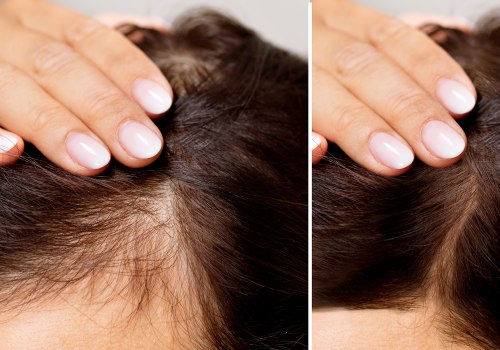
Female hair loss is a widespread issue that affects millions of women across the globe, yet it remains a topic often shrouded in silence and stigma. Unlike male pattern baldness, which is frequently discussed and recognized, female hair loss can manifest in various forms, including thinning hair, patchy bald spots, or overall hair shedding. Understanding the nuances of female hair loss is essential for anyone seeking to address this concern effectively. The causes of hair loss in women are multifaceted and can stem from a combination of genetic, hormonal, environmental, and lifestyle factors. For instance, hormonal changes due to pregnancy, menopause, or conditions like polycystic ovary syndrome (PCOS) can significantly impact hair health.
Additionally, stress—whether physical or emotional—can trigger a type of hair loss known as telogen effluvium, where hair follicles enter a resting phase prematurely. Other contributing factors include nutritional deficiencies, certain medications, and underlying medical conditions such as thyroid disorders. Recognizing these diverse causes is crucial for developing an effective hair restoration strategy. By understanding the root of the problem, women can tailor their hair care routines to address specific issues. This may involve selecting appropriate products that nourish the scalp and strengthen hair follicles or adopting lifestyle changes that promote overall well-being.
Ultimately, knowledge is power; by educating themselves about the various aspects of female hair loss, women can take proactive steps toward restoring their hair health and confidence.
Common Causes of Female Hair Loss
Understanding the causes of female hair loss is crucial for developing an effective hair care routine. Female hair loss can stem from a variety of factors, each requiring a tailored approach to treatment and management. Below, we explore some of the most common causes.Hormonal Changes
Hormonal fluctuations are one of the primary culprits behind female hair loss. Conditions such as polycystic ovary syndrome (PCOS) , pregnancy, and menopause can lead to significant changes in hormone levels, particularly estrogen and testosterone.These hormonal shifts can disrupt the natural hair growth cycle, leading to thinning hair or increased shedding. For instance, during menopause, decreased estrogen levels can result in hair becoming finer and more prone to breakage.
Genetics
Genetic predisposition plays a significant role in female hair loss. If there is a family history of hair thinning or baldness, it is likely that you may experience similar issues. This condition, known as androgenetic alopecia , typically manifests as a gradual thinning of hair on the crown and temples.Understanding your genetic background can help you anticipate potential hair loss and take proactive measures.
Stress
Emotional and physical stress
can trigger a type of hair loss known as telogen effluvium. This condition occurs when stress pushes large numbers of hair follicles into a resting phase, causing them to shed more than usual. Events such as major life changes, illness, or trauma can contribute to this type of hair loss. Managing stress through relaxation techniques, exercise, or therapy can be beneficial in mitigating its effects on your hair.
Dietary Factors
Your diet significantly impacts your overall health, including the health of your hair.A lack of essential nutrients such as iron , zinc , biotin , and vitamins A, C, D, and E can lead to weakened hair follicles and increased shedding. Incorporating a balanced diet rich in these nutrients is vital for promoting healthy hair growth. Foods like leafy greens, nuts, seeds, fish, and lean proteins should be staples in your diet to support your hair health. By identifying these common causes of female hair loss—hormonal changes, genetics, stress, and dietary factors—you can better tailor your hair care routine. Addressing these underlying issues not only helps in managing existing hair loss but also promotes healthier growth moving forward.
The Importance of a Comprehensive Hair Care Routine
Establishing a comprehensive hair care routine is crucial for women experiencing hair loss.A structured approach not only helps in managing the condition but also promotes overall hair health. The significance of consistency in your hair care regimen cannot be overstated; it lays the foundation for effective hair restoration. One of the primary benefits of a well-defined hair care routine is that it allows for the identification of products that work best for your specific hair type and condition. By using products tailored to address thinning or damaged hair, you can enhance the effectiveness of your treatments. For instance, shampoos and conditioners formulated with ingredients like biotin, keratin, and natural oils can nourish the scalp and strengthen hair follicles, which is essential for promoting healthy growth. Moreover, a consistent routine helps in establishing healthy habits that contribute to long-term results.
Regular washing and conditioning not only keep your scalp clean but also prevent product buildup that can lead to irritation and further hair loss. Incorporating scalp massages into your routine can stimulate blood circulation, which is vital for delivering nutrients to hair follicles. This simple yet effective practice can significantly enhance the health of your scalp and encourage new growth. Another important aspect of a comprehensive hair care routine is the psychological benefit it provides. Engaging in a dedicated self-care ritual can boost confidence and reduce stress levels, both of which are known contributors to hair loss.
When you take time to care for your hair, you are also investing in your well-being, which can have a positive impact on your overall health. In summary, a structured hair care routine is essential for managing female hair loss effectively. By focusing on consistency and selecting the right products, you can create an environment conducive to healthy hair growth. This proactive approach not only addresses the immediate concerns of thinning hair but also fosters long-term resilience against future loss.
Choosing the Right Products for Hair Restoration
When it comes to hair restoration, selecting the right products is crucial for achieving optimal results. The market is flooded with various hair care products, but not all are suitable for women experiencing hair loss.To effectively manage and restore hair health, it’s essential to choose products that are specifically formulated to address the unique needs of thinning hair.
1.Look for Sulfate-Free and Paraben-Free Products
- Sulfates are harsh detergents commonly found in shampoos that can strip the hair of its natural oils, leading to dryness and irritation. Opting for sulfate-free shampoos helps maintain moisture levels in the scalp and hair.
- Parabens are preservatives that can disrupt hormonal balance, potentially exacerbating hair loss. Choosing paraben-free products ensures a gentler approach to hair care.
2.Prioritize Natural Ingredients
Natural ingredients can provide significant benefits for hair restoration. Here are some key ingredients to look for:
- Biotin: Known as vitamin H, biotin supports keratin production, which is essential for healthy hair growth.
- Argan Oil: Rich in fatty acids and antioxidants, argan oil nourishes the scalp and helps prevent breakage.
- Aloe Vera: This soothing plant hydrates the scalp and promotes a healthy environment for hair follicles.
- Rosemary Oil: Known for its ability to stimulate blood circulation in the scalp, rosemary oil can encourage hair growth.
3.Choose Products Designed for Thinning Hair
Many brands offer specialized lines targeting female hair loss.
These products often contain a blend of vitamins, minerals, and botanical extracts designed to strengthen hair and promote growth. Look for labels that specifically mention hair restoration, thinning hair, or hair loss prevention.
4.Consider Leave-In Treatments
Leave-in conditioners and treatments can provide additional nourishment and protection throughout the day. These products often contain concentrated ingredients that help fortify strands and improve overall texture without weighing the hair down.
In summary, choosing the right products is a vital step in your hair restoration journey. By focusing on gentle formulations free from harsh chemicals and rich in natural ingredients, you can create a supportive environment for healthy hair growth while effectively managing female hair loss.
Step-by-Step Hair Care Routine for Managing Hair Loss
Managing female hair loss requires a thoughtful and consistent hair care routine.Below is a detailed step-by-step guide to help you effectively wash, condition, and massage your scalp, promoting healthier hair growth.
Step 1: Washing Your Hair
Begin by selecting a gentle, sulfate-free shampoo that is specifically formulated for thinning hair. These shampoos are designed to cleanse without stripping essential oils from your scalp. Follow these steps:- Wet your hair thoroughly with lukewarm water. Hot water can be harsh and may lead to dryness.
- Apply a small amount of shampoo to your palms and rub them together to create a lather before applying it to your scalp.
- Gently massage the shampoo into your scalp using your fingertips in circular motions.
This not only cleanses but also stimulates blood circulation, which is vital for hair growth.
- Rinse thoroughly with lukewarm water, ensuring all shampoo is removed to prevent buildup.
Step 2: Conditioning Your Hair
Conditioning is crucial for maintaining moisture and preventing breakage. Choose a conditioner that complements your shampoo and is designed for fine or thinning hair. Here’s how to condition effectively:- After rinsing out the shampoo , apply a generous amount of conditioner to the mid-lengths and ends of your hair, avoiding the scalp area to prevent greasiness.
- Leave the conditioner in for 3-5 minutes to allow it to penetrate the hair shaft.
- Rinse with cool water. This helps seal the cuticle, adding shine and reducing frizz.
Step 3: Scalp Massage Techniques
A scalp massage can significantly enhance blood flow to the hair follicles, promoting healthier growth.Here’s how to perform an effective scalp massage:
- Use your fingertips , not your nails, to avoid scratching the scalp.
- Apply a few drops of nourishing oil , such as jojoba or argan oil, to your fingertips for added benefits.
- Start at the front of your scalp , using circular motions, and gradually work your way back. Spend about 5-10 minutes on this process.
- Incorporate gentle pressure , but ensure it remains comfortable. You can also try tapping or kneading motions for variety.
Nourishing Treatments and Their Benefits
Nourishing treatments play a crucial role in enhancing hair health, especially for women experiencing hair loss.These treatments, which include hair masks and oils, are designed to provide essential nutrients that can strengthen hair follicles, improve scalp health, and promote overall hair growth.
Benefits of Hair Masks
Hair masks are intensive treatments that can deeply penetrate the hair shaft and scalp. They are typically richer in nutrients compared to regular conditioners and can address specific issues such as dryness, brittleness, and thinning. Here are some key benefits of incorporating hair masks into your routine:- Deep Conditioning: Hair masks provide intense hydration, helping to restore moisture balance in dry or damaged hair.
- Strengthening: Many masks contain proteins that can fortify the hair structure, reducing breakage and promoting healthier strands.
- Scalp Health: Ingredients like aloe vera and tea tree oil can soothe the scalp, reducing irritation and creating a healthier environment for hair growth.
- Enhanced Shine: Regular use of nourishing masks can lead to shinier, more vibrant hair by smoothing the cuticle layer.
Oils for Healthy Hair Growth
Natural oils have been used for centuries as effective treatments for hair care. They are rich in vitamins, fatty acids, and antioxidants that nourish both the hair and scalp.Here are some popular oils known for their benefits:
- Argan Oil: Often referred to as "liquid gold," argan oil is packed with vitamin E and essential fatty acids that hydrate and protect the hair from damage.
- Coconut Oil: This oil penetrates the hair shaft effectively, reducing protein loss and preventing breakage. It also has antimicrobial properties that can help maintain a healthy scalp.
- Jojoba Oil: Similar to the natural oils produced by our skin, jojoba oil helps to balance oil production on the scalp while providing moisture to dry strands.
- Castor Oil: Known for its ability to promote hair growth, castor oil is rich in ricinoleic acid, which improves circulation to the scalp and nourishes hair follicles.
Diet and Lifestyle Changes to Support Hair Restoration
When it comes to hair restoration, the role of diet and lifestyle cannot be overstated.The health of your hair is often a reflection of your overall well-being, and making conscious choices about what you eat and how you live can significantly impact hair growth and strength.
Diet for Healthy Hair Growth
- Protein: Hair is primarily made up of a protein called keratin. Including adequate protein in your diet is essential for hair growth. Foods such as lean meats, fish, eggs, beans, and nuts are excellent sources.
- Omega-3 Fatty Acids: These healthy fats nourish the hair follicles and promote scalp health. Incorporate foods like salmon, walnuts, flaxseeds, and chia seeds into your meals.
- Vitamins: Certain vitamins play a crucial role in maintaining healthy hair.
Vitamin A helps produce sebum, which keeps hair moisturized. Foods rich in vitamin A include carrots, sweet potatoes, and spinach. Vitamin C aids in collagen production, which strengthens hair. Citrus fruits, strawberries, and bell peppers are great sources.
- Biotin: This B-vitamin is known for its role in promoting hair growth.
Eggs, almonds, avocados, and whole grains are rich in biotin.
- Zinc and Iron: These minerals are vital for hair tissue growth and repair. Foods like lentils, chickpeas, pumpkin seeds, and leafy greens can help boost your intake.
Lifestyle Changes for Hair Health
In addition to dietary adjustments, certain lifestyle changes can further support hair restoration. Here are some effective strategies:
- Stay Hydrated: Drinking enough water is essential for overall health and helps keep your hair hydrated. Aim for at least eight glasses of water a day.
- Manage Stress: Chronic stress can lead to hair loss.
Incorporate stress-reducing activities such as yoga, meditation, or regular exercise into your routine.
- Avoid Smoking: Smoking can restrict blood flow to the scalp and hinder hair growth. Quitting smoking can improve overall health and promote healthier hair.
- Sufficient Sleep: Quality sleep is crucial for the body’s recovery processes. Aim for 7-9 hours of sleep each night to support hair health.
Avoiding Common Hair Care Mistakes
When it comes to maintaining healthy hair and preventing hair loss, many women unknowingly make common mistakes in their hair care routines.Recognizing and avoiding these pitfalls is crucial for promoting hair restoration and overall scalp health. Here are some prevalent mistakes to watch out for:
- Overwashing Hair: Washing your hair too frequently can strip it of its natural oils, leading to dryness and brittleness. Aim to wash your hair no more than two to three times a week, depending on your hair type and scalp condition.
- Using Harsh Products: Many shampoos and conditioners contain sulfates, parabens, and other harsh chemicals that can irritate the scalp and weaken hair follicles. Opt for gentle, sulfate-free products that are specifically formulated for thinning hair.
- Neglecting Scalp Health: A healthy scalp is essential for hair growth.
Failing to exfoliate or cleanse the scalp can lead to buildup, which may hinder hair growth. Incorporate a gentle scalp scrub or treatment into your routine to promote circulation and remove dead skin cells.
- Ignoring Heat Protection: Excessive use of heat styling tools can cause significant damage to your hair. Always apply a heat protectant spray before using blow dryers, curling irons, or straighteners to minimize heat damage.
- Skipping Regular Trims: While it may seem counterintuitive, regular trims are vital for maintaining healthy hair. Trimming split ends prevents further breakage and promotes a healthier appearance.
- Not Hydrating Enough: Dehydration can affect not only your body but also your hair.
Ensure you drink plenty of water daily to keep your hair hydrated from the inside out.
- Overusing Hair Accessories: Tight hairstyles and excessive use of hair accessories can lead to traction alopecia, a form of hair loss caused by pulling on the hair. Opt for looser styles and avoid rubber bands that can snag and break your hair.
FAQs About Female Hair Loss and Restoration
Female hair loss can be a distressing experience, and many women have questions about its causes, treatments, and management. Below are some frequently asked questions that can help clarify common concerns and dispel myths surrounding hair restoration.What are the most common causes of female hair loss?
Female hair loss can stem from various factors, including:- Hormonal changes: Conditions such as pregnancy, menopause, and thyroid disorders can lead to significant hair thinning.
- Genetics: A family history of hair loss can increase the likelihood of experiencing similar issues.
- Stress: Physical or emotional stress can trigger temporary hair loss known as telogen effluvium.
- Nutritional deficiencies: Lack of essential nutrients like iron, biotin, and protein can adversely affect hair health.
- Certain medications: Some drugs, including those for cancer, arthritis, and depression, may have hair loss as a side effect.
Are there effective treatments for female hair loss?
Yes, there are several treatment options available for managing female hair loss:- Topical treatments: Minoxidil is a popular over-the-counter solution that can stimulate hair growth in some women.
- Prescription medications: Finasteride is sometimes prescribed for women to help with hormonal-related hair loss.
- Hair restoration procedures: Options like PRP (platelet-rich plasma) therapy and hair transplants may be considered for more severe cases.
- Nutritional supplements: Supplements containing biotin, zinc, and other vitamins can support overall hair health.
What are some common myths about female hair restoration?
Misinformation can lead to confusion about female hair loss.Here are a few myths debunked:
- Myth 1: Hair loss only affects older women. This is false; women of all ages can experience hair thinning.
- Myth 2: Hair restoration treatments are only for men. This is untrue; many treatments are specifically designed for women.
- Myth 3: Wearing hats causes hair loss. This is a misconception; hats do not contribute to hair thinning.
What tips can help manage female hair loss?
If you're dealing with hair loss, consider these practical tips to promote healthier hair:- Avoid harsh chemicals: Choose gentle shampoos and conditioners free from sulfates and parabens.
- Maintain a balanced diet: Incorporate foods rich in vitamins and minerals that support hair health.
- Practice stress management: Techniques such as yoga, meditation, or regular exercise can help reduce stress levels.
- Avoid heat styling tools: Limit the use of blow dryers and straighteners to prevent further damage to your hair.
Conclusion: Embracing Your Journey to Healthy Hair
As we conclude our exploration of effective strategies for managing female hair loss, it’s essential to reflect on the journey towards achieving healthy hair.Throughout this article, we have delved into the multifaceted nature of hair loss, emphasizing that understanding its causes is the first step in addressing the issue. Whether it stems from hormonal changes, genetics, stress, or nutritional deficiencies, recognizing the underlying factors can empower you to take informed actions. We discussed the importance of establishing a comprehensive hair care routine tailored to your specific needs. This includes:
- Choosing the Right Products: Opt for shampoos and conditioners that are free from harsh chemicals and specifically formulated for thinning hair.
- Regular Washing and Conditioning: Maintain a balanced washing schedule to avoid stripping your hair of its natural oils while ensuring it remains clean and nourished.
- Nourishing Treatments: Incorporate leave-in conditioners and hair masks that provide essential nutrients to strengthen your strands.
- Scalp Massages: Regularly massaging your scalp can enhance blood circulation, promoting healthier hair growth.
- Avoiding Heat Damage: Limit the use of heat styling tools to prevent further damage to your hair follicles.
- Nutritional Support: A diet rich in vitamins and minerals is crucial for supporting hair health. Focus on foods high in omega-3 fatty acids, biotin, zinc, and iron.
Hair loss can be emotionally challenging, but remember that you are not alone. Many women experience similar struggles, and sharing your journey with others can provide support and encouragement. Consider joining online forums or local support groups where you can connect with individuals who understand what you’re going through. In summary, managing female hair loss is a proactive journey that requires patience and commitment. By implementing the strategies discussed in this article and remaining dedicated to your hair care routine, you can foster an environment conducive to healthy hair growth.
Embrace this journey with confidence, knowing that every small step you take contributes to your overall well-being and self-esteem. Your path to hair restoration is not just about aesthetics; it’s about nurturing yourself holistically. Celebrate each milestone along the way, and remember that healthy hair is a reflection of a healthy you.