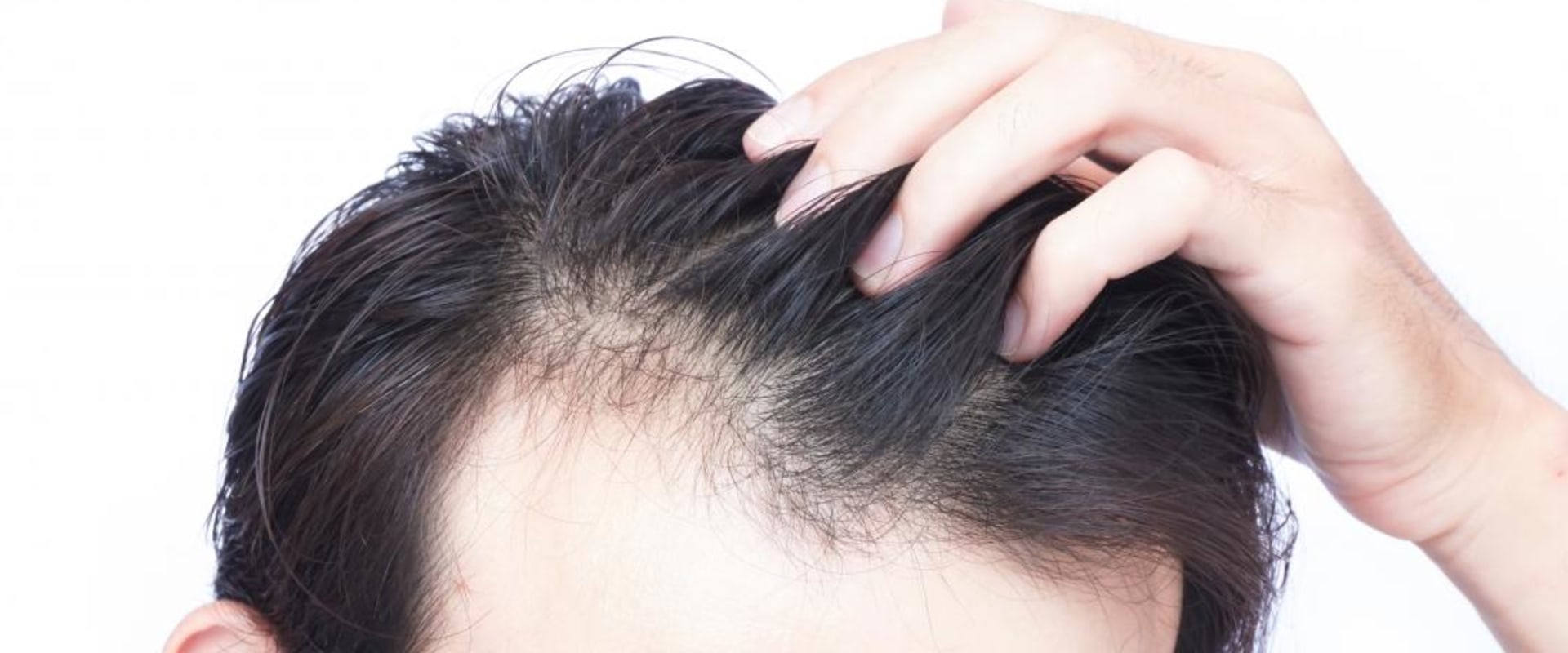
Hair restoration is more than just a cosmetic concern; it is a vital aspect of personal well-being and self-esteem. For many individuals, the condition of their hair can significantly influence their confidence and how they perceive themselves in social and professional settings. As we age or face various life stresses, hair loss or thinning can become a distressing reality, prompting the need for effective restoration methods. Understanding the importance of hair health is crucial, as it not only affects our appearance but also reflects our overall health and vitality. Several factors contribute to hair growth and restoration, including genetics, hormonal changes, nutritional deficiencies, and environmental influences.
Among these, nutrition plays a pivotal role in maintaining healthy hair. Essential vitamins and minerals are necessary for optimal hair growth, and deficiencies can lead to weakened strands and increased shedding. This is where Vitamin D comes into play as a key player in the hair restoration process. Vitamin D is often overlooked in discussions about hair health, yet its impact is profound. It aids in the creation of new hair follicles and supports the overall health of existing hair strands.
By ensuring adequate levels of Vitamin D through diet or sunlight exposure, individuals can enhance their chances of achieving fuller, healthier hair. In this article, we will delve deeper into how Vitamin D contributes to hair restoration and explore practical ways to incorporate this essential nutrient into your daily routine.
What is Vitamin D?
Vitamin D is a crucial fat-soluble vitamin that plays a significant role in various bodily functions, including the maintenance of healthy bones, immune system support, and, notably, hair growth. It exists in two primary forms: Vitamin D2 (ergocalciferol) and Vitamin D3 (cholecalciferol). While both forms contribute to the overall levels of Vitamin D in the body, they differ in their sources and effectiveness.Vitamin D2
is primarily derived from yeast and fungi, making it a suitable option for vegetarians.
On the other hand,
Vitamin D3
, which is more potent and effective at raising blood levels of Vitamin D, is sourced from animal products such as fatty fish, liver, and egg yolks. Additionally, Vitamin D3 can be synthesized by the body when the skin is exposed to sunlight, specifically ultraviolet B (UVB) rays.
The body requires Vitamin D for several biological functions. One of its most critical roles is regulating calcium and phosphorus levels in the bloodstream, which are essential for maintaining bone health. However, its benefits extend beyond skeletal health; Vitamin D also influences cell growth, neuromuscular function, and inflammation reduction.
When it comes to hair health, Vitamin D's role becomes particularly interesting.
Research indicates that it may help stimulate the production of new hair follicles and promote hair growth by enhancing the hair cycle's anagen phase. This phase is crucial for hair restoration as it represents the active growth period of hair follicles. To ensure adequate Vitamin D levels, individuals can incorporate various dietary sources into their meals. Foods rich in Vitamin D include:
- Fatty Fish: Salmon, mackerel, and sardines are excellent sources.
- Egg Yolks: A versatile food that provides both protein and Vitamin D.
- Fortified Foods: Many cereals and dairy products are fortified with Vitamin D to help individuals meet their daily requirements.
- Mushrooms: Certain types of mushrooms exposed to UV light can also provide Vitamin D.
However, it's essential to balance sun exposure with skin protection to prevent damage. Understanding what Vitamin D is and how it functions within the body is vital for recognizing its impact on hair restoration. By ensuring adequate intake through diet and sunlight exposure, individuals can support not only their overall health but also promote healthier hair growth.
The Connection Between Vitamin D and Hair Growth
Understanding the connection between Vitamin D and hair growth is crucial for anyone looking to enhance their hair restoration journey. Vitamin D plays a significant role in various bodily functions, including the health of hair follicles. Research indicates that Vitamin D is essential for the creation of new hair follicles, which are the tiny pores from which hair grows.When these follicles are healthy and functioning optimally, they can produce stronger and healthier hair strands. One of the primary ways Vitamin D affects hair growth is through its influence on the hair follicle cycle. Hair growth occurs in cycles, consisting of three main phases: anagen (growth), catagen (transitional), and telogen (resting). Vitamin D is believed to promote the anagen phase, encouraging hair to grow longer and thicker. Studies have shown that individuals with sufficient levels of Vitamin D tend to have a more robust anagen phase, leading to improved hair density. Moreover, Vitamin D deficiency has been linked to various forms of hair loss, including telogen effluvium, a condition where a significant number of hair follicles enter the telogen phase prematurely.
This can result in noticeable shedding and thinning of hair. A lack of Vitamin D can disrupt the normal cycling of hair follicles, leading to increased shedding and reduced regrowth. To further illustrate this connection, a study published in the Journal of Investigative Dermatology found that individuals with alopecia areata—a condition characterized by sudden hair loss—often had lower levels of Vitamin D compared to those without the condition. This suggests that maintaining adequate Vitamin D levels may be beneficial not only for preventing hair loss but also for promoting regrowth in those experiencing thinning or bald patches. Incorporating sources of Vitamin D into your diet or ensuring adequate sun exposure can help mitigate the risks associated with deficiency. Foods rich in Vitamin D include fatty fish like salmon and mackerel, fortified dairy products, and egg yolks.
Additionally, spending time outdoors can naturally boost your Vitamin D levels through sunlight exposure. In summary, the relationship between Vitamin D and hair growth is multifaceted. By supporting healthy hair follicle function and promoting new growth while preventing excessive shedding, Vitamin D emerges as a vital nutrient for anyone seeking effective hair restoration. Ensuring you have sufficient levels of this essential vitamin could be a key step in achieving your desired hair health goals.
Benefits of Vitamin D for Hair Restoration
Vitamin D plays a crucial role in the process of hair restoration, offering a variety of benefits that contribute to healthier hair and scalp. Understanding these benefits can help individuals make informed decisions about their hair care routines.1.Improved Scalp Circulation
One of the primary benefits of Vitamin D is its ability to enhance blood circulation to the scalp.
Improved circulation ensures that hair follicles receive an adequate supply of oxygen and essential nutrients, which are vital for hair growth. When blood flow is optimized, it can lead to a more vibrant and healthy scalp environment, promoting the conditions necessary for new hair growth.
2.Stimulation of New Hair Follicles
Research indicates that Vitamin D is instrumental in the creation of new hair follicles. This process, known as folliculogenesis, is essential for increasing hair density and promoting overall hair health. By stimulating the development of new follicles, Vitamin D can help combat thinning hair and support a fuller appearance.
3.Strengthening Existing Hair Strands
Vitamin D contributes to the strength and resilience of existing hair strands.
It aids in the production of keratin, a protein that forms the structural foundation of hair. Stronger hair strands are less prone to breakage and damage, which is crucial for maintaining length and volume. Incorporating Vitamin D into your diet or through supplements can significantly enhance the strength of your hair.
4.Reducing Shedding
Excessive shedding can be a distressing issue for many individuals experiencing hair loss. Vitamin D has been shown to help regulate the hair growth cycle, reducing the amount of hair that falls out during the shedding phase.
By maintaining a balanced cycle, Vitamin D can contribute to thicker, healthier-looking hair over time. In summary, the benefits of Vitamin D for hair restoration are multifaceted, encompassing improved scalp circulation, stimulation of new follicles, strengthening existing strands, and reducing shedding. By ensuring adequate levels of this vital nutrient through diet or sunlight exposure, individuals can take significant steps toward achieving healthier and more resilient hair.
How to Incorporate Vitamin D into Your Routine
Incorporating Vitamin D into your daily routine is essential for promoting hair restoration and overall health. Here are some effective strategies to ensure you are getting enough of this vital nutrient.Dietary Sources of Vitamin D
One of the most straightforward ways to boost your Vitamin D levels is through your diet. Here are some foods that are particularly rich in Vitamin D:- Fatty Fish: Varieties such as salmon, mackerel, and sardines are excellent sources.
A single serving can provide a significant portion of your daily requirement.
- Egg Yolks: While eggs are a nutritious food overall, the yolk is where most of the Vitamin D is found. Incorporating whole eggs into your meals can be beneficial.
- Fortified Foods: Many cereals, dairy products, and plant-based milk alternatives are fortified with Vitamin D. Check the labels to find options that suit your dietary preferences.
- Mushrooms: Certain types of mushrooms, especially those exposed to UV light, can provide a plant-based source of Vitamin D.
Sunlight Exposure
The body naturally produces Vitamin D when exposed to sunlight. Here are some tips for safe sun exposure:- Timing is Key: Aim for 10-15 minutes of direct sunlight on your skin several times a week.
Midday sun is typically the most effective for Vitamin D synthesis.
- Skin Type Considerations: Individuals with lighter skin may require less sun exposure compared to those with darker skin tones due to differences in melanin levels.
- Sunscreen Use: While it’s important to protect your skin from harmful UV rays, using sunscreen can inhibit Vitamin D production. Consider applying sunscreen after your brief sun exposure.
Signs of Vitamin D Deficiency and Its Impact on Hair Health
Vitamin D deficiency is a common issue that can have far-reaching effects on overall health, including hair health. Recognizing the symptoms of this deficiency is crucial for anyone looking to enhance their hair restoration efforts. Some of the most prevalent symptoms of Vitamin D deficiency include:- Fatigue: A general sense of tiredness or lack of energy can be an early sign of insufficient Vitamin D levels.
- Bone Pain: Vitamin D plays a vital role in calcium absorption, and a deficiency may lead to discomfort in bones and joints.
- Muscle Weakness: Weakness in muscles can also indicate low Vitamin D levels, affecting physical performance and overall strength.
- Frequent Illness: A weakened immune system can result from inadequate Vitamin D, making individuals more susceptible to infections.
- Depression: Some studies suggest a link between low Vitamin D levels and mood disorders, including depression.
Insufficient levels of this essential vitamin can lead to:
- Hair Thinning: One of the most noticeable effects of Vitamin D deficiency is hair thinning. This occurs because Vitamin D is crucial for the creation of new hair follicles. Without it, the body struggles to produce new hair strands, leading to a decrease in overall hair density.
- Increased Hair Shedding: Individuals with low Vitamin D levels may experience increased hair shedding. This excessive loss can contribute to noticeable bald patches or a general thinning appearance.
- Dull Hair: A lack of Vitamin D can also affect the overall health and appearance of hair.
Hair may become dull and lifeless, lacking the natural shine that indicates vitality.
Supplementing with Vitamin D: What You Need to Know
When considering vitamin D supplements for hair growth, it’s essential to understand the appropriate dosages, potential side effects, and safety measures associated with supplementation. Vitamin D plays a crucial role in various bodily functions, including hair follicle cycling and overall scalp health.Recommended Dosage
The recommended daily allowance (RDA) for vitamin D varies by age and health status.
For most adults, the RDA is between 600 to 800 IU (International Units) per day. However, individuals seeking to enhance hair growth may require higher doses. Some studies suggest that doses ranging from 1,000 to 2,000 IU can be beneficial for those with a deficiency or those looking to support hair restoration efforts.
Before starting any supplementation regimen, it’s advisable to consult with a healthcare professional. They can recommend a blood test to determine your current vitamin D levels and suggest an appropriate dosage tailored to your specific needs.
Safety of Supplementation
While vitamin D is generally safe when taken in recommended amounts, excessive intake can lead to toxicity.
Symptoms of vitamin D toxicity may include nausea, vomiting, weakness, and serious complications such as kidney damage. Therefore, it’s crucial to adhere to the recommended dosages and avoid self-prescribing high doses without medical guidance.
Potential Side Effects
- Nausea and vomiting
- Constipation
- Weakness or fatigue
- Kidney stones
- Confusion or disorientation
Other Nutrients That Support Hair Growth
While Vitamin D plays a crucial role in promoting hair growth, it is essential to recognize that a variety of other nutrients also contribute significantly to the health and vitality of your hair.A balanced diet rich in vitamins and minerals can enhance your hair restoration efforts and support overall well-being.
Key Nutrients for Hair Growth
- Biotin: Often referred to as Vitamin H, biotin is a B-vitamin that is vital for the production of keratin, a protein that makes up the structure of hair. A deficiency in biotin can lead to hair thinning and loss. Foods rich in biotin include eggs, nuts, seeds, and sweet potatoes.
- Iron: Iron is essential for delivering oxygen to hair follicles through the bloodstream. Low iron levels can result in hair loss, particularly in women.
Incorporating iron-rich foods such as red meat, spinach, lentils, and fortified cereals can help maintain healthy iron levels.
- Zinc: This mineral plays a critical role in hair tissue growth and repair. Zinc deficiency can lead to hair shedding and an unhealthy scalp. Foods high in zinc include oysters, beef, pumpkin seeds, and chickpeas.
- Vitamin E: Known for its antioxidant properties, Vitamin E helps reduce oxidative stress on the scalp, promoting healthy hair growth. Nuts, seeds, and green leafy vegetables are excellent sources of this vitamin.
- Omega-3 Fatty Acids: These essential fats nourish the hair follicles and promote scalp health.
Omega-3s can be found in fatty fish like salmon, walnuts, flaxseeds, and chia seeds.
- Vitamin A: This vitamin is crucial for cell growth and helps produce sebum, an oily substance that moisturizes the scalp. Foods rich in Vitamin A include carrots, sweet potatoes, and dark leafy greens.
FAQs About Vitamin D and Hair Restoration
As interest in the relationship between Vitamin D and hair restoration grows, many individuals have questions about how this essential nutrient impacts hair health.Below are some frequently asked questions that can help clarify the role of Vitamin D in promoting hair growth and overall scalp health.
1.How does Vitamin D contribute to hair growth?
Vitamin D plays a crucial role in the creation of new hair follicles. Research indicates that it helps stimulate the growth of these follicles, which are essential for producing new hair strands. Additionally, adequate levels of Vitamin D can improve blood circulation to the scalp, ensuring that hair follicles receive the necessary nutrients and oxygen for optimal growth.2.Can I get enough Vitamin D from my diet alone?
While certain foods are rich in Vitamin D, such as fatty fish, egg yolks, and fortified dairy products, it can be challenging to obtain sufficient amounts solely through diet. Many people may require additional sources, such as sunlight exposure or supplements, to meet their daily needs.It is advisable to consult with a healthcare provider to determine the best approach for your individual circumstances.
3.What are the symptoms of Vitamin D deficiency?
A deficiency in Vitamin D can manifest in various ways, including:- Hair thinning or loss: Insufficient Vitamin D levels may lead to increased shedding and thinning of hair.
- Fatigue: Low energy levels can be a sign of deficiency.
- Bone pain: Since Vitamin D is vital for calcium absorption, a lack of it can lead to bone discomfort.
- Weakened immune system: A deficiency may also compromise your immune response.
4.Is it safe to take Vitamin D supplements?
For most individuals, taking Vitamin D supplements is safe when done according to recommended dosages. However, excessive intake can lead to toxicity, resulting in symptoms such as nausea, vomiting, and kidney problems. It is essential to consult with a healthcare professional before starting any supplementation regimen.5.How long does it take to see results from Vitamin D supplementation?
The time frame for noticing improvements in hair growth after starting Vitamin D supplementation can vary widely among individuals. Some may see changes within a few weeks, while others might take several months.Consistency in taking supplements and maintaining a balanced diet rich in other nutrients is key to achieving optimal results. In summary, understanding the role of Vitamin D in hair restoration can empower individuals to make informed decisions about their health and wellness routines. By addressing these common concerns, you can better appreciate how this vital nutrient contributes to your hair's vitality and overall well-being.
Conclusion: Embracing Vitamin D for Healthier Hair
In conclusion, the role of Vitamin D in promoting healthy hair growth cannot be overstated. Throughout this article, we have explored the various ways in which this essential nutrient contributes to the overall health of your hair and scalp. From stimulating new hair follicles to strengthening existing strands, Vitamin D is a vital component in the journey towards effective hair restoration. As we have discussed, Vitamin D enhances blood circulation to the scalp, which is crucial for delivering the necessary nutrients to hair follicles.This improved circulation not only supports new growth but also helps prevent excessive shedding, a common concern for many individuals experiencing hair thinning. By ensuring that your body receives adequate levels of Vitamin D, you are taking a significant step towards maintaining a fuller, healthier head of hair. To incorporate Vitamin D into your daily routine, consider the following actionable steps:
- Sun Exposure: Aim for 10-15 minutes of direct sunlight each day. This natural source of Vitamin D is one of the most effective ways to boost your levels.
- Dietary Sources: Include foods rich in Vitamin D in your meals. Fatty fish like salmon and mackerel, eggs, fortified cereals, and dairy products are excellent choices.
- Supplements: If you find it challenging to get enough Vitamin D from food and sunlight, consult with a healthcare professional about taking supplements.
A balanced diet rich in vitamins and minerals, proper hydration, and minimizing stress are equally important factors that contribute to hair health. By embracing Vitamin D as a key element in your hair care regimen, you can foster an environment conducive to growth and vitality. Take these steps today to ensure that your hair not only looks good but feels strong and resilient as well.