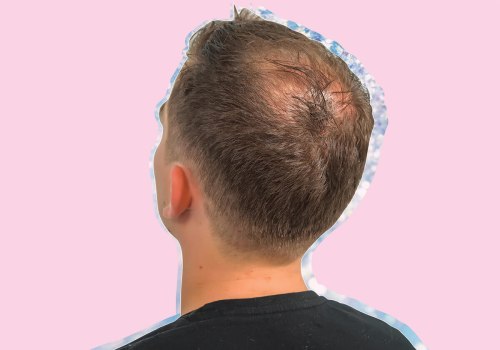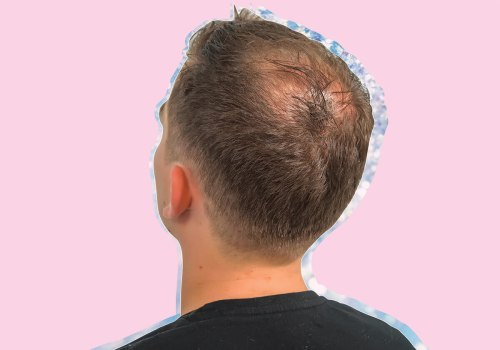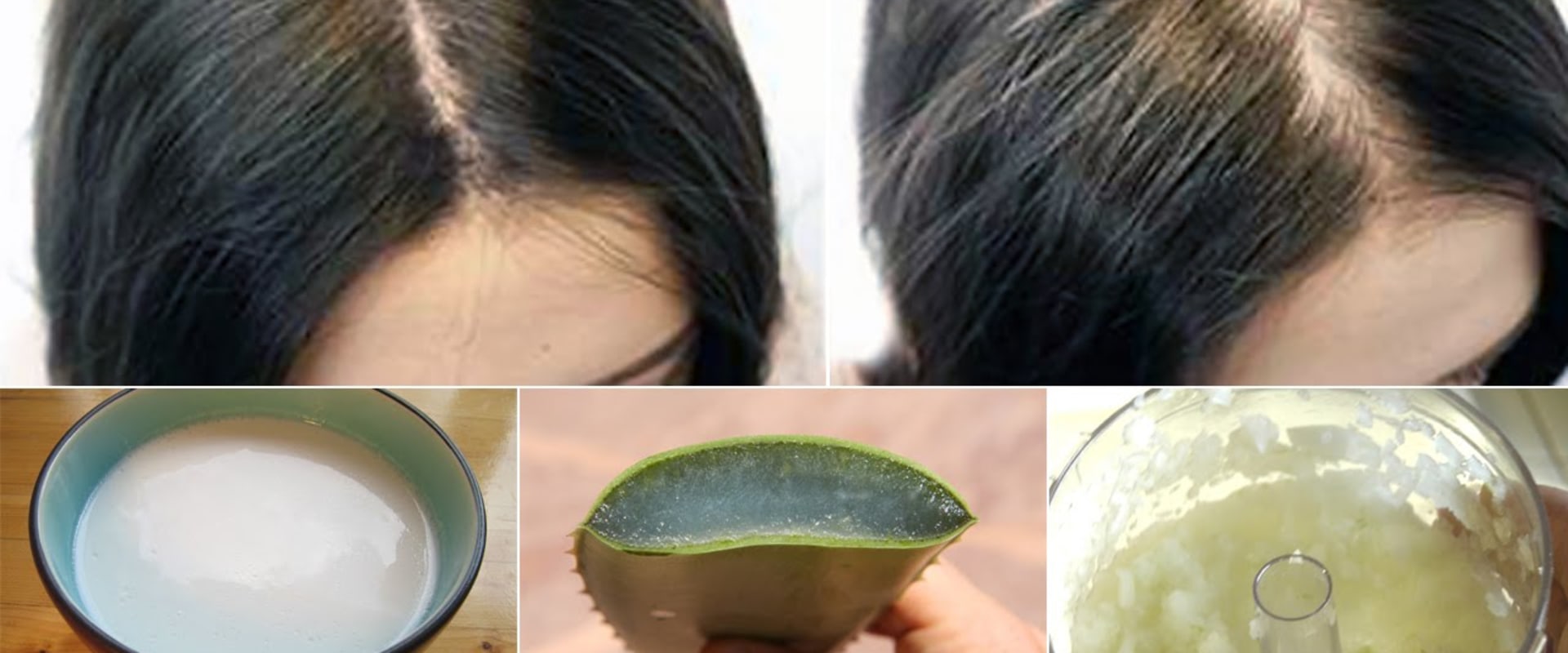
Female hair loss is a widespread issue that affects millions of women across the globe, transcending age, ethnicity, and lifestyle. While it is often perceived as a cosmetic concern, the emotional toll it takes can be profound. Many women experience feelings of embarrassment, anxiety, and diminished self-esteem as they notice thinning hair or bald patches. This distress is compounded by societal standards that equate beauty with a full head of hair, making the journey through hair loss not just a physical challenge but an emotional one as well. Understanding the causes of hair loss in women is crucial for effective hair restoration.
Hair loss can stem from a variety of factors, including hormonal changes, genetics, medical conditions, and lifestyle choices. For instance, hormonal fluctuations during pregnancy or menopause can lead to significant changes in hair density. Additionally, conditions such as polycystic ovary syndrome (PCOS) and thyroid disorders are known to contribute to hair thinning. Stress and poor nutrition can also exacerbate these issues, creating a complex web of causes that vary from one individual to another. As we delve deeper into the topic of female hair loss, it becomes evident that addressing the underlying causes is essential for finding effective solutions.
Natural remedies offer promising avenues for hair restoration, allowing women to explore holistic approaches that align with their health and wellness goals. By understanding the multifaceted nature of hair loss and its emotional impact, women can empower themselves to take proactive steps toward regaining their confidence and promoting healthy hair growth.
The Role of Nutrition in Hair Health
Nutrition plays a pivotal role in maintaining healthy hair and can significantly influence hair growth. A balanced diet rich in essential nutrients not only supports overall health but also provides the building blocks necessary for strong, vibrant hair. Below, we explore key vitamins and minerals that are crucial for hair health and suggest dietary changes to enhance your well-being.Essential Nutrients for Hair Growth
Several vitamins and minerals are particularly beneficial for promoting hair growth:- Biotin : Often referred to as vitamin B7, biotin is essential for the production of keratin, a protein that makes up the structure of hair.
Foods rich in biotin include eggs, nuts, seeds, and whole grains.
- Vitamin D : This vitamin plays a role in the hair growth cycle. Low levels of vitamin D have been linked to hair loss. You can boost your vitamin D intake by spending time in sunlight and consuming fatty fish, fortified dairy products, and mushrooms.
- Iron : Iron deficiency can lead to hair loss, particularly in women. Incorporating iron-rich foods such as spinach, lentils, red meat, and fortified cereals can help maintain healthy iron levels.
- Zinc : Zinc is vital for tissue growth and repair, including hair follicles.
Foods high in zinc include oysters, beef, pumpkin seeds, and chickpeas.
- Omega-3 Fatty Acids : These healthy fats nourish the hair and support scalp health. Sources include fatty fish like salmon, walnuts, flaxseeds, and chia seeds.
Dietary Changes to Enhance Hair Health
To promote optimal hair health through nutrition, consider making the following dietary changes:- Increase Protein Intake : Hair is primarily made of protein; therefore, ensuring adequate protein intake is crucial. Include lean meats, fish, eggs, dairy products, legumes, and nuts in your diet.
- Incorporate a Variety of Fruits and Vegetables : These foods are rich in antioxidants that help protect hair follicles from damage. Aim for a colorful plate filled with berries, leafy greens, carrots, and sweet potatoes.
- Avoid Processed Foods : Highly processed foods often lack essential nutrients and can contribute to inflammation.
Focus on whole foods that provide the nutrients necessary for healthy hair growth.
- Stay Hydrated : Proper hydration is essential for overall health and can help maintain moisture levels in your scalp. Aim to drink plenty of water throughout the day.
Natural Remedies for Hair Restoration
When it comes to addressing female hair loss, many women are turning to natural remedies as a viable option for hair restoration. These remedies not only promote hair growth but also enhance overall scalp health.Below, we explore some of the most effective natural treatments, including herbal remedies, essential oils, and techniques like scalp massage.
Herbal Treatments
Herbs have been used for centuries in traditional medicine to promote hair health. Here are some notable options:- Saw Palmetto: This herb is particularly effective for women experiencing hormonal-related hair loss. It works by inhibiting the production of dihydrotestosterone (DHT), a hormone linked to hair thinning.
- Green Tea: Rich in antioxidants, green tea can help stimulate hair follicles and promote growth. Drinking green tea or applying it topically can yield beneficial results.
- Nettle: Known for its anti-inflammatory properties, nettle can improve circulation in the scalp and strengthen hair strands.
It can be consumed as a tea or used in topical treatments.
Essential Oils
Essential oils are concentrated plant extracts that can provide numerous benefits for hair restoration. Here are some of the most effective:- Rosemary Oil: This oil is renowned for its ability to stimulate blood circulation in the scalp, which can lead to increased hair growth. Regularly massaging rosemary oil into the scalp may yield noticeable results.
- Lavender Oil: Known for its calming properties, lavender oil also promotes hair growth and reduces stress-related hair loss. Its pleasant aroma makes it a favorite among many.
- Peppermint Oil: This invigorating oil can enhance blood flow to the scalp and create a refreshing sensation.
It is often used in combination with carrier oils for effective application.
Scalp Massage Techniques
A simple yet effective method for promoting hair restoration is through regular scalp massage. This technique not only feels good but also stimulates blood flow to the hair follicles, encouraging growth. Here’s how to do it:- Choose Your Oil: Use a carrier oil such as coconut or jojoba oil mixed with essential oils like rosemary or lavender.
- Apply Gentle Pressure: Using your fingertips, apply gentle pressure in circular motions across your scalp. Focus on areas where thinning is most noticeable.
- Duration: Aim for at least 5-10 minutes of massage daily to maximize benefits.
Always consult with a healthcare professional before starting any new treatment regimen, especially if you have underlying health conditions or are taking medications.
Herbal Supplements and Their Benefits
When it comes to addressing female hair loss, herbal supplements have gained attention for their potential benefits in promoting hair restoration. These natural remedies not only offer a holistic approach but also come with fewer side effects compared to conventional treatments. Below, we explore some of the most promising herbal supplements and how they can be integrated into your daily routine.Saw Palmetto
Saw palmetto
is derived from the berries of the Serenoa repens plant and has been widely studied for its role in hair restoration. It is believed to work by inhibiting the conversion of testosterone to dihydrotestosterone (DHT), a hormone linked to hair loss in women.
By reducing DHT levels, saw palmetto may help to slow down hair thinning and promote regrowth. To incorporate saw palmetto into your routine, consider taking it in capsule form or as a liquid extract. A typical dosage ranges from 160 mg to 320 mg per day, but it’s essential to consult with a healthcare provider before starting any new supplement.
Ginkgo Biloba
Ginkgo biloba
is another herbal supplement that has shown promise in enhancing hair growth. This ancient herb is known for its ability to improve blood circulation, which can be beneficial for hair follicles. Increased blood flow ensures that hair follicles receive essential nutrients and oxygen, potentially leading to healthier hair growth. Ginkgo biloba can be taken as a standardized extract in capsule form or as a tea.
A common dosage is around 120 mg per day, divided into two or three doses. As with any supplement, it’s advisable to discuss its use with a healthcare professional.
Green Tea
Green tea
is not only a popular beverage but also a powerful herbal supplement for hair restoration. Rich in antioxidants, particularly epigallocatechin gallate (EGCG), green tea has been shown to inhibit the effects of DHT on hair follicles. Additionally, its anti-inflammatory properties can help soothe the scalp and create an optimal environment for hair growth. You can enjoy green tea as a beverage or opt for green tea extract supplements.
Drinking 2-3 cups of green tea daily or taking an extract with 400-500 mg of EGCG can be effective ways to harness its benefits. Incorporating these herbal supplements into your daily routine may provide a natural and effective way to combat female hair loss. However, it’s crucial to remember that results may vary from person to person, and consulting with a healthcare provider is recommended before starting any new supplement regimen.
Stress Management Techniques for Healthy Hair
Stress is a significant factor that can contribute to female hair loss, as it disrupts the natural hair growth cycle. When the body experiences stress, it produces hormones such as cortisol, which can lead to hair thinning and shedding. Therefore, managing stress effectively is crucial for maintaining healthy hair.Here are some practical stress management techniques that can help improve overall well-being and potentially reduce hair loss.
1.Yoga for Hair Health
Yoga is a holistic practice that combines physical postures, breathing exercises, and meditation. It has been shown to reduce stress levels significantly. Certain yoga poses can enhance blood circulation to the scalp, promoting hair growth. Some beneficial poses include:- Adho Mukha Svanasana (Downward-Facing Dog): This pose helps increase blood flow to the head and scalp.
- Uttanasana (Standing Forward Bend): This pose calms the mind and reduces anxiety while improving circulation.
- Sarvangasana (Shoulder Stand): This inversion pose encourages blood flow to the scalp, nourishing hair follicles.
2.Meditation Techniques
Meditation is another effective way to manage stress.It allows you to focus your mind and eliminate distractions, leading to a state of relaxation. Here are a few meditation techniques you can try:
- Mindfulness Meditation: Focus on your breath and observe your thoughts without judgment. This practice helps ground you in the present moment.
- Guided Imagery: Visualize a peaceful scene or a place where you feel safe and relaxed. This technique can help reduce anxiety and promote calmness.
- Loving-Kindness Meditation: Cultivate feelings of compassion towards yourself and others, which can enhance emotional well-being.
3.Breathing Exercises
Deep breathing exercises are simple yet powerful tools for managing stress.They activate the body's relaxation response, helping to lower cortisol levels. Try this technique:
- Sit or lie down in a comfortable position.
- Inhale deeply through your nose for a count of four, allowing your abdomen to rise.
- Hold your breath for a count of four.
- Exhale slowly through your mouth for a count of six.
- Repeat this cycle for several minutes until you feel more relaxed.
Scalp Care: Importance and Techniques
Maintaining a healthy scalp is crucial for promoting hair growth and preventing hair loss. The scalp is the foundation for hair follicles, and its health directly impacts the quality and quantity of hair produced.Neglecting scalp care can lead to issues such as dandruff, inflammation, and clogged hair follicles, all of which can hinder hair growth. Here are some essential tips and techniques for effective scalp care.
Scalp Health Tips
- Regular Cleansing: Keeping the scalp clean is vital. Use a gentle shampoo that suits your hair type to remove dirt, oil, and product buildup. Aim to wash your hair 2-3 times a week, depending on your scalp's oiliness.
- Moisturization: A well-hydrated scalp promotes healthy hair growth.
Consider using natural oils like coconut oil or jojoba oil to moisturize your scalp. These oils not only hydrate but also provide essential nutrients.
- Sun Protection: Just like your skin, your scalp can suffer from sun damage. Wear a hat or use a UV-protectant spray when spending extended periods outdoors.
- Avoid Harsh Chemicals: Limit the use of products containing sulfates, parabens, and alcohol, as these can strip the scalp of its natural oils and lead to irritation.
Exfoliation Techniques
Exfoliating the scalp is an often-overlooked aspect of scalp care that can significantly enhance hair growth. Exfoliation helps remove dead skin cells and unclogs hair follicles, allowing for better absorption of nutrients and products.- Physical Exfoliation: Use a soft-bristle brush or a dedicated scalp scrubber to gently massage the scalp in circular motions.
This not only exfoliates but also stimulates blood circulation, promoting healthier hair follicles.
- Chemical Exfoliation: Consider using products containing salicylic acid or alpha hydroxy acids (AHAs) that can help dissolve dead skin cells without the need for scrubbing. These ingredients can be found in specialized scalp treatments.
When to Seek Professional Help
Recognizing when to seek professional help for hair loss is crucial for effective treatment and management. While some degree of hair shedding is normal, significant changes in hair density or pattern can indicate underlying health issues that require medical attention.When to See a Doctor
- If you notice sudden or patchy hair loss, it may be a sign of conditions such as alopecia areata or other autoimmune disorders.
- Experiencing hair loss accompanied by other symptoms, such as itching, redness, or scaling on the scalp, warrants a consultation with a healthcare provider.
- If your hair loss is affecting your self-esteem or mental health, seeking professional guidance can provide both emotional support and treatment options.
- Women experiencing hair loss after pregnancy or during menopause should consult a doctor to discuss hormonal changes and their impact on hair health.
Diagnostic Methods
When you visit a healthcare professional regarding hair loss, they will likely conduct a thorough evaluation to determine the cause.
Common diagnostic methods include:
- Physical Examination: A doctor will examine your scalp and hair to assess the pattern of hair loss and check for signs of inflammation or infection.
- Blood Tests: These tests can identify nutritional deficiencies (like iron or vitamin D), hormonal imbalances, or thyroid issues that may contribute to hair loss.
- Scalp Biopsy: In some cases, a small sample of the scalp may be taken for microscopic examination to rule out conditions like scarring alopecia.
- Imaging Tests: Advanced imaging techniques may be used to visualize the scalp and assess any structural abnormalities affecting hair follicles.
Treatment Options Available Through Medical Channels
If diagnosed with a specific condition causing hair loss, various treatment options may be recommended:
- Medications: Prescription medications such as minoxidil (Rogaine) or finasteride (Propecia) can help stimulate hair growth and slow down further loss.
- Hormonal Therapy: For women experiencing hormonal imbalances, treatments may include hormone replacement therapy or medications that regulate hormone levels.
- Topical Treatments: Specialized shampoos and conditioners designed to nourish the scalp and promote healthy hair growth may be prescribed.
- Surgical Options: In severe cases, surgical interventions like hair transplants may be considered to restore lost hair.
FAQs About Female Hair Loss and Natural Remedies
Female hair loss can be a source of anxiety and confusion for many women. Below are some frequently asked questions that address common concerns regarding hair loss and the effectiveness of natural remedies.What are the most common causes of female hair loss?
Female hair loss can stem from various factors, including:- Hormonal changes: Conditions such as menopause, pregnancy, and thyroid disorders can lead to fluctuations in hormone levels, resulting in hair thinning.
- Genetics: A family history of hair loss can increase the likelihood of experiencing similar issues.
- Nutritional deficiencies: Lack of essential nutrients like iron, biotin, and zinc can negatively impact hair health.
- Stress: High-stress levels can trigger a condition known as telogen effluvium, where hair follicles enter a resting phase and shed more than usual.
- Medical conditions: Autoimmune disorders like alopecia areata can cause patchy hair loss.
How effective are natural remedies for hair restoration?
Natural remedies can be beneficial for some women experiencing hair loss. While results may vary, many women report positive outcomes from:- Dietary changes: Incorporating foods rich in vitamins and minerals can support healthy hair growth.
- Essential oils: Oils like rosemary and peppermint have been shown to stimulate blood circulation in the scalp, promoting hair growth.
- Herbal supplements: Ingredients such as saw palmetto may help balance hormones that contribute to hair loss.
Are there any side effects associated with natural remedies?
While natural remedies are generally considered safe, some individuals may experience allergic reactions or skin irritations.It is advisable to conduct a patch test before applying any new product to the scalp. Additionally, consulting with a healthcare provider before starting any new supplement is recommended to avoid potential interactions with existing medications.
How long does it take to see results from natural remedies?
The timeline for seeing results from natural remedies varies widely among individuals. Typically, it may take several weeks to a few months of consistent use before noticeable improvements occur. Patience and consistency are key when using natural treatments for hair restoration. If you have further questions or concerns about female hair loss or natural remedies, consider consulting a healthcare professional who specializes in dermatology or trichology for personalized advice.Conclusion: Embracing Natural Solutions for Hair Restoration
In conclusion, addressing female hair loss is a multifaceted journey that requires a comprehensive understanding of its underlying causes and the exploration of effective natural remedies.Throughout this article, we have delved into the various factors contributing to hair loss in women, including hormonal imbalances, nutritional deficiencies, and lifestyle choices. Recognizing these triggers is crucial for developing a tailored approach to hair restoration. Natural remedies offer a promising avenue for women seeking to manage and potentially reverse hair loss. By incorporating nutrient-rich foods into your diet, such as those high in biotin and zinc , you can support healthy hair growth from within. Additionally, the use of essential oils like rosemary and lavender can enhance scalp health and stimulate hair follicles, providing a holistic approach to restoration. Moreover, engaging in practices such as scalp massage not only promotes blood circulation but also serves as a stress-relief technique, addressing one of the significant contributors to hair loss.
The integration of relaxation methods like yoga and meditation can further bolster your overall well-being, creating a positive feedback loop that benefits both your mental health and hair vitality. It is essential to remember that while natural remedies can be effective, they may not yield immediate results. Patience and consistency are key components of any hair restoration journey. Furthermore, consulting with healthcare professionals can provide valuable insights tailored to your specific situation, ensuring that you are making informed decisions about your treatment options. Ultimately, embracing natural solutions for hair restoration empowers women to take control of their hair health. By understanding the complexities of female hair loss and actively seeking out holistic remedies, you can foster an environment conducive to healthy hair growth.
Remember, every woman’s experience with hair loss is unique; therefore, finding the right combination of strategies that work for you is vital in reclaiming your confidence and vitality.