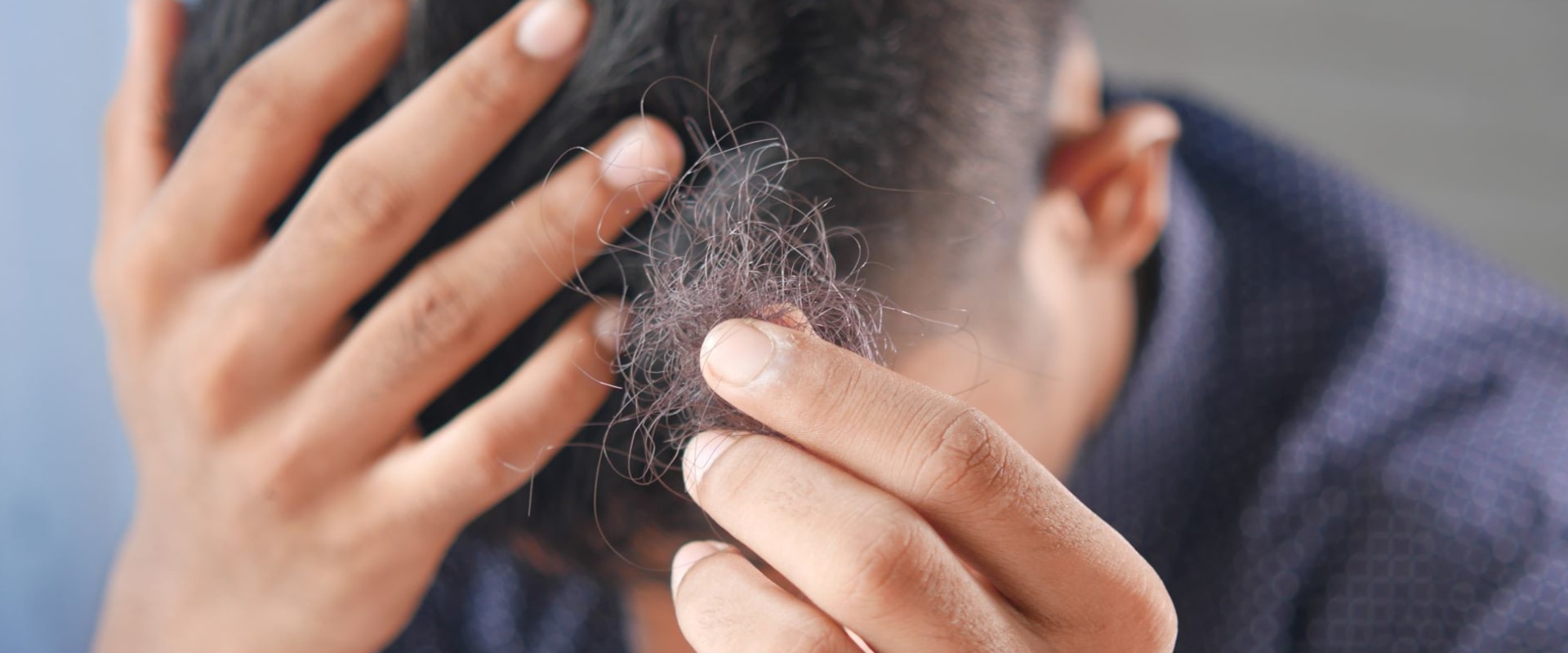
Stress is an inevitable part of life, but its effects can be far-reaching, particularly when it comes to our health and well-being. One area that often goes overlooked is the impact of stress on hair health. Many individuals may experience hair loss without realizing that their emotional and psychological states are contributing factors. Understanding the intricate relationship between stress and hair loss is crucial for anyone seeking effective hair restoration solutions. The physiological response to stress triggers a cascade of hormonal changes in the body, particularly the release of cortisol, which can have detrimental effects on hair follicles.
This connection is not merely anecdotal; research has shown that chronic stress can lead to conditions such as telogen effluvium, where hair prematurely enters the shedding phase. As a result, individuals may notice increased hair thinning or patches of hair loss, which can be distressing and further exacerbate their stress levels. Moreover, the psychological toll of stress can lead to neglect in personal care routines, including hair maintenance. When overwhelmed, individuals may skip essential practices like regular washing, conditioning, or even seeking professional help for their hair concerns. This neglect can compound the issue, leading to a vicious cycle of stress and hair deterioration.
Therefore, recognizing the signs of stress-related hair loss is vital for timely intervention and effective management. In this exploration of the link between stress and hair health, we will delve deeper into how stress affects our bodies and specifically our hair. By understanding these connections, individuals can take proactive steps toward not only managing their stress but also restoring their hair health. Whether through lifestyle changes, therapeutic practices, or targeted treatments, addressing the root causes of stress can pave the way for healthier hair and improved overall well-being.
What Causes Stress-Related Hair Loss?
Understanding the physiological mechanisms behind stress-related hair loss is essential for anyone looking to address this issue effectively. At the core of this connection lies the hormone cortisol, often referred to as the "stress hormone." When an individual experiences stress, whether it be from work, personal relationships, or other life challenges, the body responds by releasing cortisol into the bloodstream.This hormonal surge can have profound effects on various bodily systems, including those responsible for hair growth. One of the primary ways cortisol impacts hair health is through its influence on the hair growth cycle. Hair follicles undergo a natural cycle that includes phases of growth (anagen), rest (telogen), and shedding (catagen). Elevated cortisol levels can disrupt this cycle, pushing hair follicles prematurely into the telogen phase. This condition, known as telogen effluvium, results in increased hair shedding and noticeable thinning. Moreover, chronic stress can lead to inflammation throughout the body.
Inflammation is a natural response to stress; however, when it becomes chronic, it can damage hair follicles and hinder their ability to produce healthy hair. The inflammatory response can also lead to conditions such as alopecia areata, where the immune system mistakenly attacks hair follicles, resulting in patchy hair loss. In addition to cortisol, other hormones and neurotransmitters are affected by stress. For instance, adrenaline and norepinephrine levels rise during stressful situations, which can further exacerbate hair loss by constricting blood vessels and reducing blood flow to the scalp. This diminished circulation means that hair follicles receive fewer nutrients and oxygen, impairing their function and leading to weaker strands. Furthermore, stress often leads individuals to adopt unhealthy coping mechanisms that can indirectly contribute to hair loss.
Poor dietary choices, lack of sleep, and neglecting proper hair care routines can all stem from high-stress levels. For example, a diet lacking in essential vitamins and minerals—such as iron, zinc, and biotin—can weaken hair strands and inhibit growth. Recognizing these physiological effects of stress is crucial for developing effective hair restoration strategies. By addressing both the psychological aspects of stress and its physical manifestations on hair health, individuals can take proactive steps toward regaining their confidence and restoring their hair.
Types of Hair Loss Linked to Stress
Understanding the different types of hair loss associated with stress is crucial for anyone experiencing this distressing condition. Stress can trigger various forms of hair loss, each with its own characteristics and implications.Below, we explore the most common types of stress-related hair loss: telogen effluvium and alopecia areata .
Telogen Effluvium
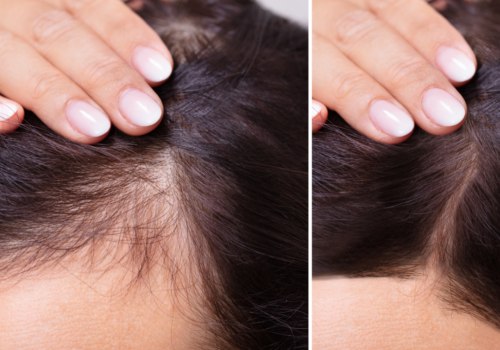
Telogen effluvium is one of the most prevalent forms of hair loss linked to stress. This condition occurs when a significant number of hair follicles enter the telogen (resting) phase prematurely, leading to increased shedding. Typically, hair goes through a cycle of growth, rest, and shedding, but when stress levels rise, this cycle can be disrupted. In cases of telogen effluvium, individuals may notice:- Diffuse thinning: Hair loss is generally spread across the scalp rather than localized.
- Increased shedding: A noticeable amount of hair may fall out during washing or brushing.
- Temporary condition: Most often, hair regrowth occurs once the underlying stressor is addressed.
Alopecia Areata
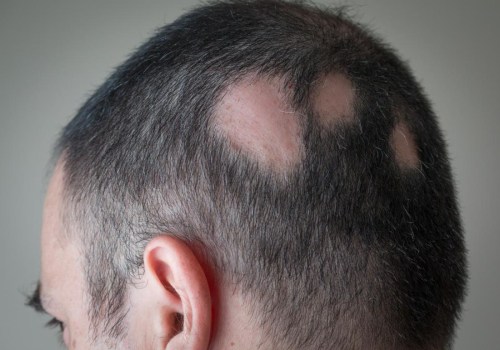
Alopecia areata is another form of hair loss that can be exacerbated by stress.This autoimmune condition leads to sudden hair loss in patches and can affect any area of the body where hair grows. While the exact cause remains unclear, it is believed that stress may play a role in triggering or worsening this condition. Key features of alopecia areata include:
- Patchy hair loss: Hair falls out in small, round patches, which can vary in size.
- Potential for regrowth: In many cases, hair may regrow on its own; however, it can also fall out again.
- Associated symptoms: Some individuals may experience tingling or itching in the affected areas before hair loss occurs.
Recognizing the Symptoms of Stress-Induced Hair Loss
Understanding the symptoms of stress-induced hair loss is crucial for early detection and effective intervention.Many individuals may not immediately associate their hair loss with stress, making it essential to recognize the signs that indicate a potential problem.
Common Symptoms of Stress-Related Hair Loss
- Increased Shedding: One of the most noticeable symptoms is an increase in hair shedding. If you find more hair than usual on your pillow, in your brush, or in the shower drain, it may be a sign that stress is affecting your hair health.
- Thinning Hair: Stress can lead to a gradual thinning of hair across the scalp. This may not be immediately apparent but can become noticeable over time, especially if you have previously had thick hair.
- Bald Patches: In some cases, stress can trigger conditions like alopecia areata, which causes sudden bald patches on the scalp or other areas of the body. These patches can vary in size and may appear suddenly.
- Changes in Hair Texture: You might notice that your hair feels different—perhaps it becomes more brittle, dry, or frizzy.
This change in texture can be a result of hormonal fluctuations caused by stress.
- Itchy or Irritated Scalp: Stress can also lead to scalp issues such as itchiness or irritation. This discomfort can further exacerbate hair loss as it may lead to scratching and damage to the hair follicles.
Identifying Stress-Related Hair Loss
If you suspect that your hair loss is linked to stress, consider keeping a journal to track your symptoms alongside your stress levels. Note any significant life changes, stressful events, or emotional challenges you are facing. This record can help you identify patterns and provide valuable information when consulting with a healthcare professional. Additionally, pay attention to how your body responds to stress overall.
Symptoms such as fatigue, anxiety, and changes in sleep patterns often accompany stress-related hair loss. Recognizing these interconnected symptoms can provide a clearer picture of your health and guide you toward appropriate treatment options. Early recognition of these symptoms is vital for effective hair restoration. By addressing the underlying causes of stress and implementing coping strategies, you can mitigate its impact on your hair health and promote regrowth.
The Psychological Effects of Stress on Hair Loss
Stress is not only a physical burden; it also has profound psychological effects that can significantly impact an individual’s mental health and overall well-being. When stress becomes chronic, it can lead to a range of emotional challenges, including anxiety, depression, and low self-esteem.These psychological issues can create a vicious cycle that exacerbates hair loss, making it essential to understand the connection between mental health and hair restoration. One of the most significant psychological impacts of stress is the way it alters an individual’s perception of themselves. Hair loss can be a distressing experience, often leading to feelings of embarrassment or shame. For many, hair is closely tied to identity and self-image. When hair begins to thin or fall out, it can trigger a cascade of negative emotions, including:
- Insecurity: Individuals may feel less attractive or worry about how others perceive them.
- Social Anxiety: The fear of being judged or ridiculed can lead to avoidance of social situations.
- Depression: Persistent hair loss can contribute to feelings of hopelessness and sadness.
This creates a feedback loop where stress leads to hair loss, which in turn increases stress levels. It’s crucial for individuals experiencing this cycle to seek support and develop coping strategies. Addressing the psychological aspects of hair loss requires a holistic approach. Here are some effective strategies:
- Therapy: Engaging with a mental health professional can help individuals process their feelings about hair loss and develop healthier coping mechanisms.
- Support Groups: Connecting with others who are experiencing similar challenges can provide comfort and reduce feelings of isolation.
- Mindfulness Practices: Techniques such as meditation and yoga can help reduce stress levels and improve emotional resilience.
Effective Strategies for Managing Stress-Related Hair Loss
Managing stress effectively is crucial for maintaining not only your mental health but also the health of your hair.Here are some actionable strategies that can help mitigate the effects of stress on hair loss:
1.Identify Stress Triggers
The first step in managing stress is to identify what triggers it. Keep a journal to track your feelings and the situations that lead to increased stress. Once you recognize these triggers, you can work on strategies to avoid or cope with them more effectively.2.Incorporate Relaxation Techniques
Practicing relaxation techniques can significantly reduce stress levels. Consider incorporating the following into your daily routine:- Meditation: Spend a few minutes each day focusing on your breath or using guided meditation apps to help clear your mind.
- Yoga: This ancient practice combines physical postures, breathing exercises, and meditation, making it an excellent way to relieve stress.
- Deep Breathing Exercises: Simple deep breathing techniques can help calm your nervous system and reduce cortisol levels.
3.Prioritize Physical Activity
Regular exercise is one of the most effective ways to combat stress.Aim for at least 30 minutes of moderate exercise most days of the week. Activities like walking, jogging, cycling, or swimming can boost endorphins, which are natural mood lifters.
4.Maintain a Balanced Diet
Your diet plays a significant role in how your body responds to stress. Focus on consuming a variety of nutrient-rich foods:- Fruits and Vegetables: These are packed with vitamins and antioxidants that support overall health.
- Whole Grains: Foods like brown rice and whole wheat bread provide sustained energy and help stabilize blood sugar levels.
- Lean Proteins: Incorporate sources like chicken, fish, beans, and nuts to support hair health.
5.Establish a Sleep Routine
Adequate sleep is essential for managing stress and promoting hair restoration. Aim for 7-9 hours of quality sleep each night by establishing a calming bedtime routine that includes:- Avoiding screens at least an hour before bed
- Creating a comfortable sleep environment
- Engaging in relaxing activities such as reading or taking a warm bath
6.Seek Support
Don’t hesitate to reach out for support from friends, family, or professionals.Talking about your feelings can provide relief and help you gain perspective on stressful situations. By implementing these strategies into your daily life, you can effectively manage stress and promote healthier hair growth. Remember that consistency is key; making small changes over time can lead to significant improvements in both your mental well-being and hair health.
Hair Restoration Techniques for Stress-Induced Hair Loss
When dealing with stress-induced hair loss, it’s essential to explore various hair restoration techniques that can help rejuvenate your hair and restore your confidence. These methods range from natural remedies to professional treatments, each offering unique benefits.Natural Remedies for Hair Restoration
Many individuals prefer to start with natural remedies before seeking professional help. Here are some effective options:- Essential Oils: Oils such as rosemary, peppermint, and lavender have been shown to promote hair growth.
Massaging these oils into the scalp can improve circulation and stimulate hair follicles.
- Aloe Vera: Known for its soothing properties, aloe vera can help reduce scalp inflammation and promote healthy hair growth. Applying fresh aloe vera gel directly to the scalp can provide nourishment.
- Biotin Supplements: Biotin, a B-vitamin, is crucial for hair health. Incorporating biotin-rich foods like eggs, nuts, and whole grains into your diet or taking supplements can support hair restoration.
- Scalp Massage: Regularly massaging the scalp can enhance blood flow to hair follicles, promoting growth. This simple practice can be done daily and is an excellent way to relieve stress.
Professional Treatments for Hair Loss
If natural remedies do not yield the desired results, several professional treatments are available:- Minoxidil: This topical treatment is FDA-approved for hair loss and works by stimulating hair follicles.
It’s available over-the-counter and can be effective for both men and women.
- Platelet-Rich Plasma (PRP) Therapy: This innovative treatment involves drawing a small amount of your blood, processing it to concentrate the platelets, and injecting it into the scalp. PRP therapy has shown promising results in promoting hair growth.
- Hair Transplant Surgery: For those experiencing significant hair loss, surgical options like follicular unit transplantation (FUT) or follicular unit extraction (FUE) may be considered. These procedures involve relocating hair follicles from a donor site to areas of thinning or balding.
- Laser Therapy: Low-level laser therapy (LLLT) is a non-invasive treatment that uses laser light to stimulate hair follicles and promote growth. It’s painless and can be done in-office or with at-home devices.
Consulting with a healthcare professional or a dermatologist can help determine the most suitable approach tailored to your specific situation.
The Role of Nutrition in Hair Health and Stress Management
Nutrition plays a pivotal role in maintaining not only our overall health but also the health of our hair. A well-balanced diet can significantly impact hair growth, strength, and resilience, while also helping to manage stress levels that can lead to hair loss. To support healthy hair , it is essential to incorporate a variety of nutrients into your diet. Here are some key components to consider:- Proteins: Hair is primarily made up of a protein called keratin. Consuming adequate amounts of protein from sources like lean meats, fish, eggs, beans, and nuts can promote hair strength and growth.
- Vitamins: Vitamins A, C, D, and E are crucial for hair health.
Vitamin A helps in the production of sebum, which keeps hair moisturized. Vitamin C aids in collagen production, while Vitamin D is linked to the creation of new hair follicles. Foods rich in these vitamins include leafy greens, citrus fruits, and fatty fish.
- Minerals: Iron and zinc are vital for healthy hair. Iron helps red blood cells carry oxygen to your hair follicles, while zinc plays a role in tissue growth and repair.
Incorporate foods like spinach, lentils, pumpkin seeds, and oysters into your meals.
- Omega-3 Fatty Acids: These healthy fats nourish the hair and support scalp health. Sources include fatty fish like salmon, walnuts, and flaxseeds.
- Complex Carbohydrates: Foods such as whole grains can increase serotonin levels in the brain, which helps regulate mood. Consider incorporating brown rice, quinoa, and whole-grain bread into your meals.
- Berries: Rich in antioxidants, berries can help combat oxidative stress in the body.
Blueberries, strawberries, and raspberries are excellent choices.
- Nuts and Seeds: These are packed with magnesium and healthy fats that can help lower cortisol levels. Almonds, walnuts, and chia seeds are great options.
When to Seek Professional Help for Hair Loss
Understanding when to seek professional help for hair loss is crucial for effective treatment and restoration.While some degree of hair shedding is normal, there are specific signs that indicate it may be time to consult a healthcare professional.
1.Sudden or Excessive Hair Loss
If you notice a sudden increase in hair loss, such as clumps of hair falling out during washing or styling, it’s essential to seek medical advice. This could be a sign of an underlying condition that requires attention.
2.Thinning Hair Patches
Localized thinning or bald patches can indicate conditions like alopecia areata or other autoimmune disorders. If you observe these symptoms, consulting a dermatologist can help determine the cause and appropriate treatment options.
3.Changes in Hair Texture
A noticeable change in the texture of your hair, such as increased brittleness or coarseness, may signal health issues that need professional evaluation. A dermatologist can assess whether these changes are related to stress, hormonal imbalances, or nutritional deficiencies.
4.Family History of Hair Loss
If you have a family history of hair loss, it’s wise to consult a specialist early on.
Genetic factors play a significant role in conditions like androgenetic alopecia, and early intervention can lead to more effective treatment outcomes.
5.Scalp Issues
Persistent scalp problems such as itching, redness, or flaking can contribute to hair loss. These symptoms may indicate conditions like psoriasis or seborrheic dermatitis, which require medical treatment to prevent further hair damage.
6.Emotional Distress
If hair loss is causing significant emotional distress or impacting your quality of life, seeking help from a mental health professional alongside a dermatologist can provide comprehensive support. Addressing both the psychological and physical aspects of hair loss is vital for overall well-being.
7.Ineffective Home Remedies
If you’ve tried various home remedies without success, it may be time to consult a professional. Dermatologists can offer evidence-based treatments and therapies that are more likely to yield positive results.
In summary, recognizing the signs that warrant professional intervention is key to effective hair restoration.
If you experience any of the above symptoms, don’t hesitate to reach out to a healthcare provider who specializes in hair and scalp health. Early diagnosis and treatment can make a significant difference in your journey toward healthier hair.
Conclusion: Taking Control of Your Hair Health Amidst Stress
In conclusion, the intricate relationship between stress and hair loss is a critical aspect of understanding how our emotional and physical well-being can impact our appearance. As we have explored, stress triggers a cascade of hormonal changes, particularly the elevation of cortisol levels, which can lead to inflammation and damage to hair follicles. Recognizing this connection is the first step toward taking control of your hair health. It is essential to acknowledge that while stress-related hair loss can be distressing, it is often a temporary condition.With the right strategies in place, individuals can effectively manage their stress levels and promote hair restoration. Here are some key takeaways to consider:
- Identify Stressors: Take time to pinpoint the sources of stress in your life. Whether it’s work-related pressures, personal relationships, or financial concerns, understanding what triggers your stress can empower you to address these issues directly.
- Implement Stress Management Techniques: Incorporate relaxation practices such as yoga, meditation, or deep breathing exercises into your daily routine. These techniques not only help reduce cortisol levels but also enhance overall mental clarity and emotional resilience.
- Prioritize Self-Care: A balanced diet rich in vitamins and minerals, regular physical activity, and adequate sleep are vital for maintaining both mental health and hair vitality.
Nourishing your body will support its ability to cope with stress.
- Seek Professional Help: If stress becomes overwhelming, consider talking to a mental health professional. Therapy can provide valuable tools for managing anxiety and depression that may accompany hair loss.
- Maintain Hair Care Routines: Gentle hair care practices are crucial during stressful times. Avoid harsh chemicals and heat styling tools that can exacerbate hair damage. Instead, opt for nourishing products that promote scalp health and hair strength.
By fostering a holistic approach that combines emotional well-being with physical care, you can pave the way for effective hair restoration. Remember, while the journey may require patience and persistence, reclaiming control over your hair health is entirely achievable.