Male pattern baldness, scientifically known as androgenic alopecia, is a widespread condition that affects a significant portion of the male population. It is characterized by a progressive thinning of hair, often starting at the temples and crown, leading to noticeable bald patches. This condition is not merely a cosmetic issue; it can have profound psychological effects on those who experience it, impacting self-esteem and overall quality of life. Understanding the underlying causes of male pattern baldness is crucial for those seeking effective hair restoration solutions. The roots of male pattern baldness lie deeply embedded in genetics.
Research indicates that this condition is largely hereditary, with specific genes influencing an individual's susceptibility to hair loss. While many men may attribute their hair loss to aging or lifestyle factors, the genetic predisposition plays a pivotal role in determining when and how severely one might experience hair thinning. This genetic component is often inherited from both parents, making it essential to consider family history when assessing risk. In addition to genetic factors, environmental influences also contribute significantly to the onset and progression of male pattern baldness. Factors such as stress levels, nutritional deficiencies, and hormonal changes can exacerbate hair loss.
For instance, high-stress situations can trigger conditions like telogen effluvium, where hair follicles prematurely enter a resting phase, leading to increased shedding. Furthermore, a diet lacking in essential nutrients can weaken hair strands and follicles, making them more susceptible to damage and loss. As we delve deeper into the complexities of male pattern baldness, it becomes evident that a multifaceted approach is necessary for effective management and treatment. By understanding both the genetic and environmental factors at play, individuals can make informed decisions regarding hair restoration options that best suit their needs. This exploration will not only shed light on the causes of baldness but also empower men to take proactive steps in addressing their hair loss concerns.
What is Male Pattern Baldness?
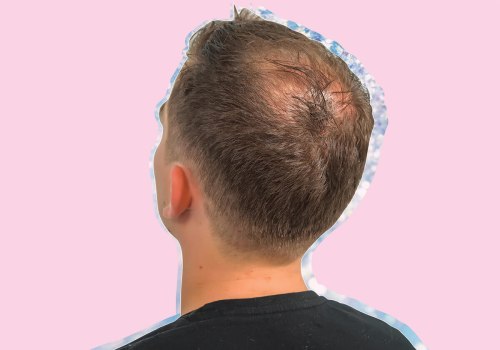
Male pattern baldness, scientifically known as androgenic alopecia , is a prevalent form of hair loss that primarily affects men.This condition is characterized by a distinct pattern of hair thinning and loss, typically beginning at the hairline and crown of the head. Understanding the nuances of male pattern baldness is essential for those seeking effective hair restoration solutions. Androgenic alopecia is often recognized by its gradual progression. Initially, men may notice a receding hairline, which can create an M-shaped appearance as the hair thins at the temples. Concurrently, thinning may occur at the crown, leading to a bald spot that can expand over time.
This type of hair loss is not uniform; some men may experience significant thinning in one area while retaining more hair in others. What sets male pattern baldness apart from other types of hair loss is its genetic basis and hormonal influence. Unlike conditions such as telogen effluvium , where hair loss is often temporary and linked to stress or illness, androgenic alopecia is typically permanent without intervention. The primary culprit behind this condition is dihydrotestosterone (DHT), a derivative of testosterone that causes hair follicles to shrink over time, leading to shorter and finer hair strands. In contrast to male pattern baldness, other forms of hair loss include:
- Alopecia areata: An autoimmune disorder that results in sudden patches of hair loss.
- Telogen effluvium: A temporary condition often triggered by stress, hormonal changes, or nutritional deficiencies.
- Cicatricial alopecia: A rare form where inflammation destroys hair follicles, leading to permanent hair loss.
Recognizing the specific characteristics of androgenic alopecia can empower individuals to seek appropriate hair restoration options tailored to their unique situation. In summary, male pattern baldness is a common condition influenced by genetic and hormonal factors, leading to a characteristic pattern of hair loss. Understanding its definition and how it differs from other types of hair loss is vital for those looking to address their concerns effectively.
The Role of Genetics in Male Pattern Baldness
Understanding the genetics of baldness is crucial for grasping why male pattern baldness, or androgenic alopecia, affects so many men. This condition is not merely a result of aging or environmental factors; it is deeply rooted in our genetic makeup. Research has shown that specific genes play a significant role in determining an individual's susceptibility to hair loss. One of the primary genes implicated in male pattern baldness is located on the X chromosome, which men inherit from their mothers.This gene influences how hair follicles respond to dihydrotestosterone (DHT), a hormone derived from testosterone. DHT can bind to hair follicles, causing them to shrink over time, leading to thinner hair and eventual hair loss. Interestingly, while this gene is inherited from the maternal side, other genetic factors from both parents can also contribute to the risk of developing baldness. In addition to the X-linked gene, researchers have identified several other genetic markers associated with hereditary hair loss. Genome-wide association studies (GWAS) have pinpointed multiple loci on different chromosomes that correlate with an increased risk of male pattern baldness.
These findings suggest that baldness is a polygenic trait, meaning it results from the combined effects of multiple genes rather than a single hereditary factor. The inheritance pattern of male pattern baldness can be complex. While it is often thought that if a man’s maternal grandfather was bald, he is more likely to experience hair loss himself, this is only part of the story. The presence of certain genetic markers can increase the likelihood of developing baldness regardless of family history. Therefore, even men without a strong family history of hair loss may still be genetically predisposed to it. Moreover, genetic predisposition does not guarantee that an individual will experience hair loss; it merely increases the risk.
Factors such as lifestyle choices, stress levels, and overall health can influence whether these genetic tendencies manifest as visible hair loss. In summary, the role of genetics in male pattern baldness is multifaceted and involves various genes and inheritance patterns. Understanding these genetic factors can empower individuals to make informed decisions regarding hair restoration options and management strategies tailored to their unique genetic profiles.
Hormonal Influences on Hair Loss
Understanding the hormonal influences on hair loss is crucial for grasping the biological mechanisms that contribute to male pattern baldness. One of the primary hormones involved in this process is dihydrotestosterone (DHT), a potent androgen derived from testosterone. DHT plays a significant role in the development of male characteristics, but it also has a profound impact on hair follicles, particularly in genetically predisposed individuals. DHT is formed when the enzyme 5-alpha reductase converts testosterone into this more active form.While DHT is essential for various bodily functions, its effects on hair follicles can be detrimental. In men who are genetically susceptible to male pattern baldness, DHT binds to androgen receptors in hair follicles, leading to a process known as follicular miniaturization. This process causes hair follicles to shrink over time, resulting in thinner hair strands and eventually leading to hair loss. Research indicates that individuals with a higher concentration of DHT in their scalp may experience accelerated hair loss. The sensitivity of hair follicles to DHT varies among individuals, which explains why some men may retain their hair despite high levels of this hormone, while others may experience significant thinning or baldness.
Hormonal Imbalance and Baldness
In addition to DHT, other hormonal imbalances can contribute to hair loss.For instance, fluctuations in estrogen and progesterone levels can affect hair growth cycles. In men, an imbalance between testosterone and estrogen can lead to increased levels of DHT, exacerbating hair loss. Conditions such as hyperthyroidism or hypothyroidism can also disrupt normal hormonal balance, leading to thinning hair or bald patches. Moreover, stress can trigger hormonal changes that impact hair health. When the body is under stress, it produces higher levels of cortisol, which can interfere with the normal functioning of hormones that regulate hair growth.
This disruption can lead to conditions like telogen effluvium, where hair follicles prematurely enter the resting phase and shed more than usual. Understanding these hormonal influences is vital for those seeking effective hair restoration solutions. Treatments that target DHT production or block its effects on hair follicles have shown promise in managing male pattern baldness. Medications such as finasteride work by inhibiting the action of 5-alpha reductase, thereby reducing DHT levels and potentially slowing down the progression of hair loss. In conclusion, hormonal factors play a pivotal role in male pattern baldness. By recognizing how hormones like DHT and others influence hair health, individuals can make informed decisions about treatment options and lifestyle changes that may help mitigate their risk of hair loss.
Environmental Factors Contributing to Hair Loss
While genetics play a significant role in male pattern baldness, various environmental factors can exacerbate hair loss.Understanding these factors is crucial for men seeking to manage their hair health effectively.
Stress and Its Impact on Hair Loss
One of the most significant environmental contributors to hair loss is stress. When the body experiences high levels of stress, it can trigger a condition known as telogen effluvium. This condition causes hair follicles to prematurely enter the resting phase of the hair growth cycle, leading to increased shedding. Stress can stem from various sources, including work pressures, personal relationships, and financial concerns. Moreover, chronic stress can lead to hormonal imbalances that further impact hair health.Elevated levels of cortisol, the stress hormone, can disrupt the normal functioning of hair follicles, making them more susceptible to damage and loss. To mitigate stress-related hair loss, it is essential to adopt stress management techniques such as meditation, exercise, and adequate sleep.
The Role of Nutrition in Hair Health
Poor nutrition
is another critical factor that can influence hair loss. A diet lacking in essential vitamins and minerals can weaken hair strands and inhibit healthy growth. Nutrients such as iron, zinc, vitamin D, and biotin are vital for maintaining strong and healthy hair. For instance, iron deficiency can lead to anemia, which is often associated with increased hair shedding.
Similarly, a lack of protein in the diet can hinder the body’s ability to produce keratin, a key structural component of hair. To promote optimal hair health, it is advisable to consume a balanced diet rich in:
- Fruits and vegetables: These provide antioxidants that protect hair follicles from damage.
- Lean proteins: Sources like chicken, fish, and legumes support keratin production.
- Nuts and seeds: These are excellent sources of healthy fats and essential nutrients.
Lifestyle Choices That Affect Hair Health
Lifestyle choices also play a pivotal role in determining hair health. Factors such as smoking and excessive alcohol consumption can negatively impact circulation and nutrient absorption, leading to weakened hair follicles. Additionally, exposure to environmental pollutants and harsh chemicals found in some hair products can cause damage to the scalp and hair strands. To foster better hair health, consider adopting healthier lifestyle habits:- Avoid smoking: Quitting smoking can improve blood circulation and overall health.
- Limit alcohol intake: Reducing alcohol consumption can enhance nutrient absorption.
- Choose gentle hair care products: Opt for sulfate-free shampoos and conditioners that are less likely to irritate the scalp.
By addressing these factors proactively, men can take meaningful steps toward preserving their hair health.
Age as a Risk Factor for Male Pattern Baldness
As men age, the likelihood of experiencing male pattern baldness significantly increases. This correlation between age and hair loss is well-documented, with various studies providing insights into how aging affects hair health and the prevalence of balding among different age groups. One of the primary reasons for this increase in hair loss as men grow older is the natural decline in testosterone levels. Testosterone is a crucial hormone that influences hair growth, and its decrease can lead to changes in hair follicle sensitivity to dihydrotestosterone (DHT), a derivative of testosterone that is known to contribute to hair thinning and loss.Statistics on Hair Loss by Age
Statistics reveal a stark reality regarding the prevalence of male pattern baldness:- By age 20: Approximately 20% of men will experience some degree of hair loss.
- By age 30: This figure rises to about 30%, indicating that one in three men will notice thinning or receding hairlines.
- By age 40: Nearly 40% of men will experience noticeable hair loss, with many showing significant thinning.
- By age 50: Around 50% of men will have some level of balding, with many experiencing advanced stages of male pattern baldness.
- By age 60 and beyond: The prevalence increases further, with estimates suggesting that up to 80% of men may experience significant hair loss.
Many men associate their hair with youthfulness and vitality, leading to feelings of insecurity or diminished self-esteem as they begin to lose their hair. Recognizing this emotional aspect is crucial for those experiencing male pattern baldness, as it can influence their decisions regarding hair restoration options. In conclusion, age is a significant risk factor for male pattern baldness. Understanding the statistics related to hair loss can empower men to take action early on, whether through lifestyle changes, medical treatments, or hair restoration techniques that can help mitigate the effects of aging on their hair health.
Other Risk Factors Associated with Male Pattern Baldness
While genetics is the primary driver of male pattern baldness, several other risk factors can exacerbate hair loss. Understanding these factors can empower individuals to make informed choices about their health and hair restoration options.Stress and Its Impact on Hair Health
Stress is a significant contributor to hair loss, affecting both men and women.This condition causes hair follicles to enter a resting phase, leading to increased shedding and noticeable thinning. Stress management techniques such as meditation, exercise, and adequate sleep can help mitigate this risk.
Poor Nutrition and Hair Loss
A well-balanced diet is crucial for maintaining healthy hair. Nutritional deficiencies can lead to weakened hair strands and increased susceptibility to breakage. Key nutrients that support hair health include:- Proteins: Hair is primarily made of protein, so adequate intake is essential for growth.
- Vitamins: Vitamins A, C, D, and E play vital roles in hair health.
- Minerals: Iron and zinc are particularly important for maintaining strong hair follicles.
Medications That May Contribute to Hair Loss
Certain medications have been linked to hair loss as a side effect.If you are experiencing thinning hair, it may be worth reviewing your current medications with your healthcare provider. Some common categories of drugs that may cause hair loss include:
- Antidepressants: Some selective serotonin reuptake inhibitors (SSRIs) have been associated with hair thinning.
- Blood thinners: Medications like warfarin can lead to increased shedding.
- Chemotherapy drugs: These are well-known for causing significant hair loss during treatment.
The Role of Age in Hair Loss
Aging is an inevitable factor that affects everyone. As men age, hormonal changes—particularly a decrease in testosterone—can lead to thinning hair and baldness. It’s estimated that by age 50, approximately 50% of men will experience some degree of male pattern baldness.Understanding this natural progression can help individuals prepare for potential changes in their hair health. In conclusion, while genetics plays a pivotal role in male pattern baldness, factors such as stress, nutrition, medications, and age also significantly influence hair health. By addressing these risk factors proactively, individuals can take steps toward effective hair restoration.
Hair Restoration Options: What Are Your Choices?
For men grappling with male pattern baldness, the quest for effective hair restoration options can be overwhelming. Fortunately, there are a variety of treatments available, ranging from non-surgical methods to advanced surgical procedures. Understanding these options can empower individuals to make informed decisions about their hair restoration journey.Non-Surgical Treatments
Non-surgical treatments are often the first line of defense against hair loss.These methods are generally less invasive and can be effective for many men.
- Minoxidil: This topical solution is applied directly to the scalp and is available over-the-counter. Minoxidil works by stimulating hair follicles and increasing blood flow to the scalp, which can promote hair regrowth. It is most effective in the early stages of hair loss.
- Finasteride: An oral prescription medication, finasteride works by inhibiting the conversion of testosterone to dihydrotestosterone (DHT), a hormone linked to hair loss. By lowering DHT levels, finasteride can help slow down hair loss and promote regrowth in some men.
- Low-Level Laser Therapy (LLLT): This non-invasive treatment uses laser light to stimulate hair follicles and improve cellular function.
LLLT devices are available in various forms, including caps and combs, and have shown promising results in clinical studies.
Surgical Options
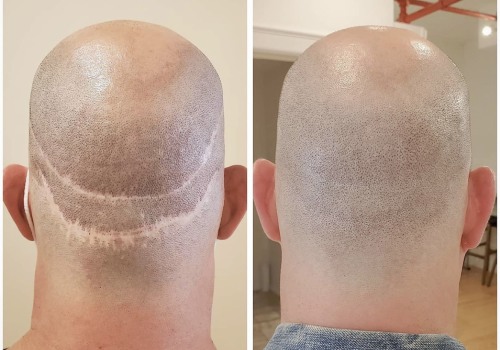
For those seeking more permanent solutions, surgical options may be considered. These procedures typically involve relocating hair follicles from areas of the scalp with healthy hair to balding areas.- Follicular Unit Transplantation (FUT): In this method, a strip of skin containing hair follicles is removed from the donor area and transplanted to the balding area. FUT can yield natural-looking results but may leave a linear scar.
- Follicular Unit Extraction (FUE): FUE involves extracting individual hair follicles from the donor area using a specialized tool. This technique minimizes scarring and allows for quicker recovery times compared to FUT.
Consulting with a qualified dermatologist or hair restoration specialist can provide valuable insights tailored to individual needs.
FAQs About Male Pattern Baldness and Hair Restoration
Understanding male pattern baldness and the options for hair restoration can be overwhelming, especially with the plethora of information available. Here are some frequently asked questions that can help clarify common concerns and misconceptions.What is male pattern baldness?
Male pattern baldness, or androgenic alopecia, is a hereditary condition characterized by a progressive loss of hair, typically starting at the temples and crown. It affects a significant portion of the male population, with varying degrees of severity.What causes male pattern baldness?
The primary cause of male pattern baldness is genetic predisposition, often linked to the sensitivity of hair follicles to dihydrotestosterone (DHT), a derivative of testosterone. Other contributing factors may include hormonal changes, age, and environmental influences.Is there a cure for male pattern baldness?
Currently, there is no definitive cure for male pattern baldness.However, various hair restoration treatments can help slow down hair loss and promote regrowth. Options include topical treatments like minoxidil, oral medications such as finasteride, and surgical procedures like hair transplants.
Are hair restoration treatments effective?
The effectiveness of hair restoration treatments varies from person to person. Factors such as the extent of hair loss, age, and adherence to treatment protocols can influence outcomes. Many individuals experience positive results with consistent use of approved treatments.What are some common myths about hair restoration?
- Myth: Hair restoration treatments are only for older men.
Fact: While many men begin to notice hair loss in their 30s or 40s, younger men can also benefit from early intervention. - Myth: Shaving your head will make your hair grow back thicker.
Fact: Shaving does not affect hair growth; it merely gives the appearance of thicker hair due to the blunt ends. - Myth: All hair restoration methods are painful.
Fact: Many non-surgical options are painless and easy to incorporate into daily routines.
They can provide personalized advice based on your specific condition and needs.
Conclusion: Understanding Your Hair Loss Journey
In conclusion, understanding the complexities of male pattern baldness is essential for anyone experiencing hair loss. Throughout this article, we have explored the significant role that genetics play in this condition, highlighting how inherited traits can predispose individuals to hair thinning and loss. The genetic markers associated with male pattern baldness are primarily linked to the sensitivity of hair follicles to dihydrotestosterone (DHT), a hormone that can lead to follicle shrinkage and eventual hair loss. Moreover, we have discussed various risk factors that can exacerbate this condition. Stress, for instance, can trigger temporary hair loss through mechanisms like telogen effluvium, while poor nutrition can weaken hair strands and make them more susceptible to breakage.Additionally, certain medications may have side effects that contribute to hair loss, and age remains a significant factor as testosterone levels decline over time. Recognizing these factors is crucial not only for understanding your own hair loss journey but also for making informed decisions about potential treatment options. Whether considering lifestyle changes, dietary adjustments, or medical interventions, being aware of the underlying causes of your hair loss can empower you to take proactive steps. As you navigate your path toward hair restoration, remember that there are various avenues available. From topical treatments and oral medications to advanced procedures like hair transplants, each option has its own set of benefits and considerations. Consulting with a healthcare professional or a specialist in hair restoration can provide personalized insights tailored to your specific situation. Ultimately, while genetics may set the stage for male pattern baldness, understanding the interplay of various risk factors allows you to take control of your hair health.
Embrace this knowledge as a tool in your journey toward restoring not just your hair but also your confidence.