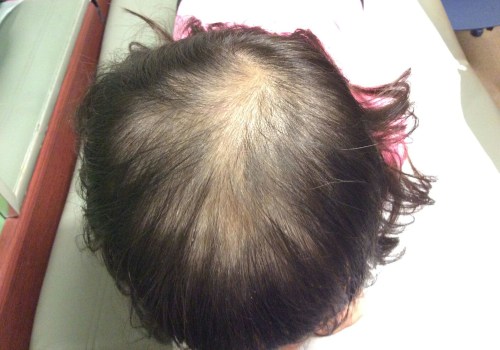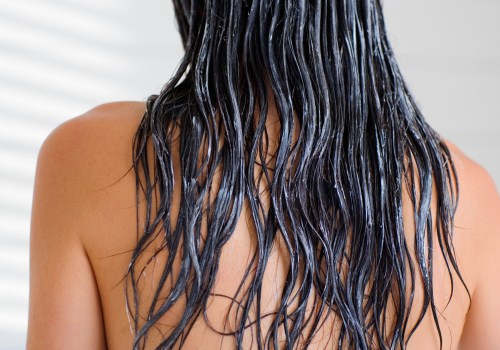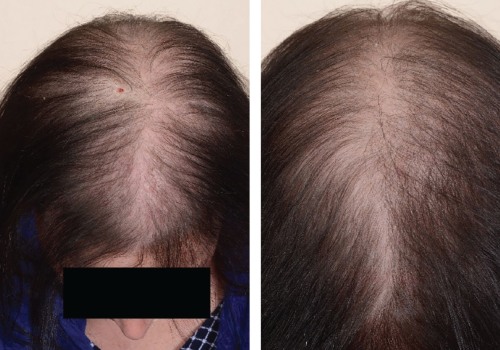
In the quest for healthy hair, understanding the concept of hair restoration is crucial. Hair restoration encompasses a variety of techniques and treatments aimed at revitalizing hair health, addressing issues such as thinning, breakage, and overall lackluster appearance. It is not merely about cosmetic fixes; rather, it involves a holistic approach that integrates proper care, nutrition, and the right products to foster an environment conducive to hair growth and vitality. The significance of a comprehensive hair care routine cannot be overstated. Just as our skin requires consistent care to maintain its glow, our hair demands attention and nurturing to thrive.
A well-structured routine tailored to your specific hair type can make all the difference in achieving the luscious locks you desire. This includes selecting appropriate shampoos and conditioners, incorporating deep conditioning treatments, and utilizing protective styling techniques that minimize damage. Moreover, hair restoration is not solely about external treatments; it also involves nourishing your body from within. A balanced diet rich in essential vitamins and minerals plays a pivotal role in promoting healthy hair growth. Nutrients such as biotin, zinc, and omega-3 fatty acids are vital for maintaining the strength and elasticity of your hair strands. As we delve deeper into this article, we will explore various aspects of hair restoration, including effective cleansing routines, scalp care practices, and the importance of heat protection.
By understanding these elements, you can create a personalized hair care regimen that not only restores your hair's health but also enhances its natural beauty.
Identifying Your Hair Type
Understanding your hair type is a fundamental step in establishing an effective hair care routine, especially when it comes to hair restoration. Hair types can generally be categorized into four main categories: straight, wavy, curly, and coily. Each type has its own unique characteristics and requires specific care techniques and products.Straight Hair
Straight hair is characterized by its smooth texture and lack of curls or waves. It tends to be shiny and can appear oily more quickly than other hair types due to the natural oils from the scalp traveling down the hair shaft.To care for straight hair:
- Use lightweight shampoos and conditioners that won’t weigh your hair down.
- Incorporate a clarifying shampoo once a month to remove buildup.
- Limit heat styling to prevent damage.
Wavy Hair
Wavy hair features a gentle wave pattern that can range from loose waves to more defined curls. This type of hair often has a combination of characteristics from both straight and curly hair. To maintain healthy wavy hair:- Opt for moisturizing products that enhance your natural waves.
- Avoid heavy styling products that can weigh down the waves.
- Consider using a diffuser when blow-drying to maintain wave definition.
Curly Hair
Curly hair is known for its spiral or ringlet shapes, which can vary in tightness. This type of hair tends to be drier than straight or wavy hair due to the difficulty of natural oils traveling down the twists.For curly hair:
- Use sulfate-free shampoos and rich conditioners designed for curls.
- Incorporate deep conditioning treatments regularly to maintain moisture.
- Embrace leave-in conditioners or curl creams to define curls without frizz.
Coily Hair
Coily hair, often referred to as afro-textured or kinky hair, has very tight curls or zigzag patterns. This type is typically the driest and most fragile, requiring extra care. To nurture coily hair:- Utilize heavy creams and oils for moisture retention.
- Limit washing frequency to prevent stripping natural oils.
- Protective styles can help minimize breakage and promote growth.
By understanding your specific hair type, you can select the most suitable products and techniques for effective hair restoration, ensuring your locks remain healthy and vibrant.
Essential Products for Hair Restoration
When embarking on a journey toward hair restoration, selecting the right products is crucial. The market is flooded with options, but understanding your specific hair needs will help you make informed choices. Here are some essential products that can significantly enhance your hair restoration routine:- Shampoos: Look for shampoos that are sulfate-free and designed for your hair type. For instance, if you have thinning hair, consider volumizing shampoos that can add body without weighing your hair down.
If your scalp is oily, opt for clarifying shampoos that remove excess oil and buildup.
- Conditioners: A good conditioner is vital for restoring moisture and maintaining hair health. Choose a conditioner that complements your shampoo. For dry or damaged hair, a rich, hydrating conditioner with ingredients like argan oil or shea butter can work wonders.
- Deep Conditioning Masks: Incorporating a deep conditioning mask into your routine once a week can provide an extra boost of hydration and nourishment. Look for masks that contain proteins and essential oils to help repair and strengthen your hair.
- Leave-In Conditioners: These products are excellent for providing ongoing moisture throughout the day.
A leave-in conditioner can help detangle hair, reduce frizz, and protect against environmental damage.
- Serums and Oils: Hair serums and oils can be beneficial for adding shine and reducing frizz. Products containing natural oils like jojoba or coconut oil not only enhance appearance but also nourish the hair shaft.
- Aloe Vera: Known for its soothing properties, aloe vera can help hydrate the scalp and promote healthy hair growth.
- Biotin: This vitamin is essential for strengthening hair and preventing breakage.
- Caffeine: Some studies suggest that caffeine can stimulate hair follicles and promote growth.
Experimenting with different products may be necessary to find what works best for you. Keep in mind that consistency is key; using the right products regularly will yield the best results in your hair restoration journey.
Creating a Weekly Cleansing Routine
Establishing a weekly cleansing routine is crucial for maintaining healthy hair, as it helps remove dirt, oil, and product buildup while promoting a clean and balanced scalp. The frequency of washing your hair can vary significantly based on your hair type, lifestyle, and personal preferences. Below are tailored recommendations to help you create an effective cleansing routine.Understanding Your Hair Type
Before diving into a cleansing routine, it's essential to identify your hair type.Here are some common categories:
- Fine Hair: Tends to get oily quickly and may require more frequent washing.
- Thick Hair: Often drier and may benefit from less frequent washing.
- Curly Hair: Typically needs more moisture and can be washed less often to maintain natural oils.
- Straight Hair: Can vary widely; some may need daily washing while others can go longer.
How Often Should You Wash Your Hair?
The general guideline for washing hair is as follows:- Fine or Oily Hair: Wash every 1-2 days to prevent excess oil buildup.
- Normal Hair: Aim for 2-3 times a week, depending on your activity level.
- Dry or Curly Hair: Washing once a week or even bi-weekly can help retain moisture.
Cleansing Tips for Healthy Hair
To maximize the benefits of your cleansing routine, consider the following tips:- Use the Right Products: Choose shampoos and conditioners that cater to your specific hair type. Look for sulfate-free options to avoid stripping natural oils.
- Massage Your Scalp: When applying shampoo, take the time to gently massage your scalp with your fingertips. This not only helps cleanse but also stimulates blood circulation, promoting healthier hair growth.
- Rinse with Cool Water: After conditioning, rinse your hair with cool water to help seal the cuticles and lock in moisture.
- Avoid Hot Water: Hot water can strip away natural oils, leading to dryness. Stick to lukewarm water for washing.
- Incorporate Exfoliation: Consider using a scalp scrub or exfoliating treatment every few weeks to remove dead skin cells and product buildup.
Remember that consistency is key; over time, you will notice improvements in both the health and appearance of your locks.
Scalp Care: The Foundation of Healthy Hair
When it comes to achieving and maintaining healthy hair, the importance of scalp care cannot be overstated. The scalp serves as the foundation for hair growth, and a healthy scalp is essential for vibrant, strong hair. Neglecting scalp health can lead to various issues such as dryness, irritation, and even hair loss. Therefore, incorporating effective scalp care practices into your hair care routine is crucial.1.Cleansing Your Scalp
Regular cleansing is vital for removing dirt, oil, and product buildup that can clog hair follicles and hinder growth.
Here are some tips for effective scalp cleansing:
- Choose the Right Shampoo: Opt for a gentle shampoo that suits your hair type. Look for sulfate-free options to avoid stripping natural oils.
- Massage While Washing: When applying shampoo, take the time to massage your scalp with your fingertips. This not only helps in cleansing but also stimulates blood circulation, promoting healthier hair growth.
- Frequency Matters: Depending on your hair type, aim to wash your hair two to three times a week. Over-washing can lead to dryness, while under-washing can cause buildup.
2.Exfoliating Your Scalp
Just like your skin, your scalp can benefit from exfoliation.
This process helps remove dead skin cells and excess product buildup:
- Use a Scalp Scrub: Consider using a specialized scalp scrub or create a DIY mixture using sugar and coconut oil. Gently massage it into your scalp once every few weeks.
- Avoid Harsh Ingredients: Ensure that any exfoliating products you use are free from harsh chemicals that could irritate the scalp.
3.Moisturizing Your Scalp
A well-hydrated scalp is essential for preventing dryness and flakiness:
- Apply Natural Oils: Incorporate natural oils like jojoba or argan oil into your routine. These oils can help lock in moisture and nourish the scalp.
- Use Leave-In Treatments: Consider using leave-in conditioners or serums specifically designed for scalp hydration.
Heat Styling: Best Practices for Healthy Hair
Heat styling tools, such as curling irons, straighteners, and blow dryers, can help you achieve a variety of looks, but they can also lead to significant damage if not used properly.To maintain the health of your hair while enjoying the benefits of heat styling, it’s essential to adopt best practices that minimize damage.
1.Always Use a Heat Protectant
- Before applying any heat to your hair, it’s crucial to use a heat protectant. These products create a barrier between your hair and the heat, helping to prevent moisture loss and damage.
- Look for heat protectants that contain ingredients like silicones or natural oils, which can help seal the hair cuticle and provide additional shine.
2.Choose the Right Temperature
- Different hair types require different heat settings. For fine or damaged hair, use a lower temperature (around 300°F), while thicker or coarser hair may tolerate higher temperatures (up to 400°F).
- Always start with the lowest effective temperature and gradually increase it if necessary. This approach helps reduce the risk of overheating your strands.
3.Limit Heat Exposure
- Avoid using heat styling tools every day.
Instead, try to limit their use to a few times a week. This allows your hair time to recover and reduces cumulative damage.
- On days when you don’t style with heat, consider embracing natural hairstyles or using no-heat styling techniques like braiding or twisting.
4.Invest in Quality Tools
- Using high-quality styling tools can make a significant difference in how your hair responds to heat. Look for tools made with ceramic or tourmaline, as they distribute heat more evenly and reduce hot spots that can cause damage.
- Regularly clean your tools to ensure they function effectively and don’t transfer product buildup onto your hair.
5.Incorporate Conditioning Treatments
- To counteract potential damage from heat styling, incorporate deep conditioning treatments into your routine. Use a hydrating mask once a week to replenish moisture and strengthen your strands.
- Consider leave-in conditioners or serums that provide additional protection against heat while also nourishing your hair.
Remember that prevention is key; taking proactive steps will help you maintain vibrant, healthy locks even with regular use of heat styling tools.
Nourishing Your Hair from Within
To achieve healthy hair, it is essential to focus on nourishing your body from the inside out. The health of your hair is closely linked to your overall nutrition, and certain vitamins and minerals play a crucial role in promoting hair growth and strength. By incorporating specific foods into your diet, you can significantly enhance the vitality of your hair.Key Nutrients for Hair Health
Several key nutrients are vital for maintaining healthy hair:- Protein: Hair is primarily made up of a protein called keratin. Consuming adequate amounts of protein is essential for hair growth.
Foods rich in protein include lean meats, fish, eggs, beans, and nuts.
- Vitamins: Vitamins A, C, D, and E are important for hair health. Vitamin A helps produce sebum, which keeps the scalp moisturized. Vitamin C aids in collagen production, while Vitamin D is linked to hair follicle health. Vitamin E acts as an antioxidant that helps reduce oxidative stress on the scalp.
- B Vitamins: B vitamins, particularly biotin, are known for their role in promoting hair growth.
Foods such as whole grains, almonds, and leafy greens are excellent sources of B vitamins.
- Minerals: Zinc and iron are crucial for hair strength. Zinc helps with tissue growth and repair, while iron ensures that oxygen is delivered to the hair follicles. Foods like spinach, lentils, and pumpkin seeds are rich in these minerals.
Foods to Include in Your Diet
Incorporating a variety of nutrient-dense foods into your diet can help support healthy hair:- Fatty Fish: Salmon and mackerel are rich in omega-3 fatty acids, which promote scalp health and add shine to your hair.
- Nuts and Seeds: Walnuts and flaxseeds provide essential fatty acids and vitamin E that nourish the scalp.
- Leafy Greens: Spinach and kale are packed with iron and vitamins A and C, making them excellent choices for healthy hair.
- Berries: Blueberries and strawberries are high in antioxidants that protect hair follicles from damage.
- Sweet Potatoes: Rich in beta-carotene, sweet potatoes help maintain a healthy scalp by converting to vitamin A in the body.
Common Hair Care Mistakes to Avoid
When it comes to achieving healthy hair, many individuals unknowingly fall into common traps that can hinder their hair restoration efforts.Understanding these hair care mistakes is crucial for anyone looking to improve their hair health. Here are some prevalent pitfalls to avoid:
- Overwashing Your Hair: While keeping your hair clean is important, washing it too frequently can strip away natural oils, leading to dryness and brittleness. Most hair types benefit from washing two to three times a week, but this can vary based on individual needs.
- Neglecting the Scalp: Many people focus solely on the hair strands and forget that a healthy scalp is the foundation for healthy hair. Regular scalp massages and using products designed for scalp care can promote better circulation and overall hair health.
- Using the Wrong Products: Not all products are suitable for every hair type.
Using shampoos and conditioners that do not match your specific hair needs can lead to damage. For instance, those with oily hair should avoid heavy moisturizing products that can exacerbate greasiness.
- Heat Styling Without Protection: Heat styling tools can be damaging if used without a heat protectant. Always apply a protective spray or serum before using curling irons or straighteners to minimize heat damage.
- Ignoring Split Ends: Allowing split ends to go untreated can lead to further damage up the hair shaft. Regular trims every six to eight weeks can help maintain healthy ends and prevent breakage.
- Skipping Deep Conditioning: Many people underestimate the importance of deep conditioning treatments.
Incorporating a deep conditioning mask into your routine once a week can provide essential moisture and nutrients, especially for dry or damaged hair.
- Not Drinking Enough Water: Hydration plays a vital role in overall health, including hair health. Insufficient water intake can lead to dry, brittle hair. Aim for at least eight glasses of water a day to keep your body and hair hydrated.
FAQs About Hair Restoration and Care Routines
When it comes to hair restoration and care routines, many individuals have questions that can significantly impact their hair health.Below are some frequently asked questions that address common concerns and provide valuable insights.
What is hair restoration?
Hair restoration refers to various treatments and techniques aimed at regrowing or restoring hair that has been lost due to factors such as genetics, hormonal changes, or environmental stressors. These methods can include medical treatments like minoxidil and finasteride, surgical options like hair transplants, and natural remedies that promote scalp health.How often should I wash my hair for optimal health?
The frequency of washing your hair largely depends on your hair type and scalp condition. For most people, washing two to three times a week is sufficient. However, if you have oily hair, you may need to wash it more frequently.Conversely, those with dry or curly hair might benefit from washing less often to retain natural oils.
Can diet affect hair health?
Absolutely! A balanced diet rich in vitamins and minerals plays a crucial role in maintaining healthy hair. Nutrients such as protein , iron , zinc , and vitamins A, C, D, and E are essential for promoting strong hair growth. Incorporating foods like fish, nuts, leafy greens, and fruits can help nourish your hair from the inside out.What are some effective tips for maintaining healthy hair?
- Use the right products: Choose shampoos and conditioners that suit your hair type.
- Avoid excessive heat: Limit the use of heat styling tools to prevent damage.
- Regular trims: Getting regular trims helps eliminate split ends and promotes healthier growth.
- Stay hydrated: Drinking plenty of water is vital for overall health, including your hair.
- Protect from environmental damage: Use hats or UV protectants when exposed to sun or harsh weather.
Is it possible to reverse hair loss?
The possibility of reversing hair loss depends on the underlying cause. In some cases, early intervention with treatments like topical solutions or dietary changes can lead to regrowth.However, if the loss is due to genetic factors or advanced conditions, restoration may require more intensive methods such as surgical procedures. By addressing these common questions about hair restoration and care routines, individuals can make informed decisions that contribute to healthier hair and scalp. Remember that consistency in your routine is key to achieving the best results.
Conclusion: Your Path to Healthy Hair Restoration
In conclusion, achieving healthy hair restoration is a journey that requires dedication, knowledge, and a personalized approach. Throughout this article, we have explored various aspects of hair care that contribute to the overall health and vitality of your hair. By understanding your unique hair type and its specific needs, you can tailor your hair care routine to promote optimal results. One of the most critical elements discussed is the importance of selecting the right products.Whether you have curly, straight, fine, or thick hair, using products formulated for your specific hair type can make a significant difference. Look for natural ingredients that nourish and protect your hair while avoiding harsh chemicals that can lead to damage. Additionally, establishing a consistent cleansing routine is vital. Regularly washing your hair with appropriate shampoos and conditioners helps remove buildup and keeps your scalp healthy. Remember to adjust the frequency of washing based on your hair type and lifestyle; for instance, those with oily hair may benefit from more frequent washes compared to those with dry or curly hair. Scalp care is another essential aspect that should not be overlooked.
A healthy scalp lays the foundation for strong hair growth. Incorporating scalp massages, exfoliation, and moisturizing treatments can enhance circulation and promote a thriving environment for your hair follicles. Moreover, minimizing heat styling and protecting your hair from environmental stressors are crucial steps in maintaining its integrity. When heat styling is necessary, always use a heat protectant and choose lower temperature settings to reduce damage. Finally, nourishing your body from within through a balanced diet rich in vitamins and minerals will support not only your overall health but also the health of your hair. Foods high in protein, vitamins A, C, D, E, and B-complex vitamins are particularly beneficial for promoting strong and vibrant hair. By implementing these strategies into your daily routine, you are taking significant steps toward achieving healthy hair restoration.
Remember that consistency is key; results may take time, but with patience and commitment, you can enjoy the beautiful, healthy hair you desire.