When we think about maintaining our health, exercise often comes to mind as a way to improve cardiovascular fitness, build strength, and enhance overall well-being. However, the benefits of exercise extend beyond just physical fitness; they also play a significant role in promoting hair restoration and overall hair health. Understanding the intricate connection between exercise for hair healthexercise for hair health and the vitality of our locks can empower individuals to adopt a more holistic approach to their beauty and wellness routines. Regular physical activity stimulates blood circulation throughout the body, including the scalp. This increased blood flow is crucial for delivering essential nutrients and oxygen to hair follicles, which are vital for healthy hair growth.
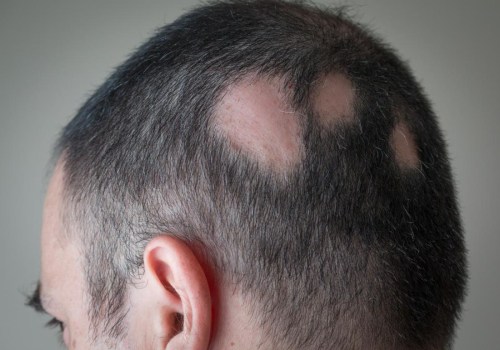
Moreover, exercise helps to regulate hormones and reduce stress levels, both of which can have profound effects on hair health. High-stress levels are often linked to hair loss conditions such as alopecia, making stress management through exercise an important aspect of hair growth and exercise . In addition to enhancing circulation and reducing stress, engaging in physical activities can also promote the production of natural oils in the scalp. These oils, known as sebum, help keep hair moisturized and protected from damage. By incorporating regular exercise into your routine, you not only support your body’s overall health but also create an environment conducive to vibrant and resilient hair.
As we delve deeper into this topic, we will explore specific benefits of exercise for hair health and provide practical techniques that can be easily integrated into your lifestyle.
The Science Behind Exercise and Hair Growth
Understanding the connection between exercise and hair growth requires a look into the physiological processes that occur during physical activity. One of the primary mechanisms through which exercise promotes hair health is by enhancing blood circulation. When you engage in physical activities, your heart rate increases, leading to improved blood flow throughout your body, including the scalp. This increased circulation is crucial for hair follicles, as it delivers essential nutrients and oxygen that are vital for healthy hair growth. Hair follicles require a steady supply of nutrients to produce strong, vibrant hair.The more blood that flows to the scalp, the more nutrients are available to nourish these follicles. This process not only supports existing hair but can also stimulate the growth of new hair. Moreover, exercise helps to regulate hormones in the body. High levels of stress can lead to an increase in cortisol, a hormone that has been linked to hair loss. Regular physical activity can help lower cortisol levels, thereby reducing stress and its negative impact on hair health.
By managing stress through exercise, you create a more favorable environment for hair growth. Additionally, exercise promotes the production of endorphins , often referred to as "feel-good" hormones. These endorphins can improve your mood and overall sense of well-being, which indirectly benefits your hair health. A positive mental state can lead to better lifestyle choices, including nutrition and self-care practices that further support hair restoration. Another important aspect is the role of natural oils , such as sebum, produced by the scalp. Exercise can enhance the production of these oils, which help to moisturize both the scalp and hair strands.
A well-hydrated scalp is less prone to dryness and irritation, creating an optimal environment for hair growth. In summary, the science behind exercise and hair growth is multifaceted. Improved blood circulation ensures that hair follicles receive necessary nutrients and oxygen, while reduced stress levels and enhanced mood contribute positively to overall hair health. By incorporating regular physical activity into your routine, you not only boost your physical fitness but also create conditions conducive to hair restoration.
Benefits of Regular Exercise for Hair Restoration
Engaging in regular exercise offers a multitude of benefits that extend beyond physical fitness, particularly when it comes to hair restoration. Understanding these benefits can empower individuals to incorporate exercise into their daily routines, not just for overall health but specifically for enhancing hair vitality.1.Enhanced Blood Circulation
One of the primary advantages of exercise is its ability to improve blood circulation throughout the body, including the scalp.
Increased blood flow delivers essential nutrients and oxygen to hair follicles, which are crucial for promoting healthy hair growth. When the scalp receives adequate nourishment, it can lead to stronger, thicker hair and may even stimulate new hair growth.
2.Stress Reduction
Stress is a significant factor that can negatively impact hair health, often leading to conditions such as telogen effluvium or alopecia. Regular physical activity is a proven method for reducing stress levels. Exercise triggers the release of endorphins, often referred to as "feel-good" hormones, which can help alleviate anxiety and improve mood.
By managing stress effectively through exercise, individuals may experience less hair loss and improved overall hair health.
3.Improved Mood and Mental Health
In addition to reducing stress, exercise has a profound effect on mental well-being. A positive mindset can contribute significantly to hair health. When individuals feel good about themselves and their lives, they are less likely to engage in habits that may harm their hair, such as excessive styling or neglecting proper care routines. Furthermore, a boost in self-esteem can encourage individuals to adopt healthier lifestyle choices that benefit their hair.
4.Overall Health Benefits
Regular exercise contributes to overall physical health by improving cardiovascular function, enhancing immune response, and maintaining a healthy weight.
These factors indirectly support hair restoration by ensuring that the body operates efficiently. A well-functioning body is better equipped to support all its systems, including those responsible for hair growth.
5.Hormonal Balance
Exercise plays a crucial role in regulating hormones within the body. Hormonal imbalances can lead to various hair issues, including thinning and loss. By engaging in regular physical activity, individuals can help maintain hormonal equilibrium, which is essential for sustaining healthy hair growth.
In summary, the benefits of regular exercise for hair restoration are multifaceted.
From enhancing blood circulation and reducing stress to improving mood and overall health, incorporating physical activity into your routine can be a powerful ally in your journey toward healthier hair.
Best Types of Exercises for Promoting Hair Health
When it comes to enhancing hair health, incorporating the right types of exercises into your routine can make a significant difference. Here, we categorize the best exercises that promote hair growth and overall scalp health, focusing on cardio, strength training, yoga, and stretching.Cardio Exercises for Hair Health
Cardiovascular exercises are essential for improving blood circulation throughout the body, including the scalp. Increased blood flow means more oxygen and nutrients reach the hair follicles, which is crucial for healthy hair growth. Here are some effective cardio exercises:-
Running or Jogging: These activities elevate your heart rate and enhance circulation.
Aim for at least 30 minutes of running or jogging several times a week.
- Cycling: Whether on a stationary bike or outdoors, cycling is a low-impact way to boost cardiovascular health while promoting blood flow to the scalp.
- Swimming: This full-body workout not only improves cardiovascular fitness but also helps reduce stress levels, which can positively impact hair health.
Strength Training and Hair Restoration
Strength training is another vital component of an exercise regimen that can benefit hair health. By building muscle and increasing overall strength, you also enhance your metabolic rate and improve circulation. Here are some strength training exercises to consider:- Weight Lifting: Incorporating free weights or resistance bands into your routine can help stimulate blood flow to the scalp. Focus on compound movements like squats and deadlifts.
- Bodyweight Exercises: Push-ups, pull-ups, and lunges not only build strength but also promote better circulation throughout your body.
The Role of Yoga in Hair Health
Yoga is an excellent practice for promoting relaxation and reducing stress, both of which are beneficial for hair health.Certain poses can also enhance blood flow to the scalp:
- Downward Dog: This pose encourages blood flow to the head while stretching the spine and relieving tension.
- Headstand: While advanced, this pose can significantly increase circulation to the scalp. Always practice with caution and under supervision if you're new to it.
The Importance of Stretching
Incorporating stretching into your routine can help alleviate muscle tension and improve flexibility. This not only enhances your overall workout performance but also promotes better blood flow:- Neck Stretches: Gentle neck stretches can relieve tension that may restrict blood flow to the scalp.
- Full-Body Stretching: Engaging in full-body stretches post-workout helps maintain flexibility and encourages relaxation.
Incorporating Exercise into Your Hair Care Routine
Incorporating exercise into your hair care routine is essential for promoting healthy hair growth and overall scalp health.Here are some practical tips to help you seamlessly integrate fitness into your daily life while ensuring your hair remains in optimal condition.
- Choose the Right Hairstyles: When exercising, opt for hairstyles that minimize tension on your hair. Loose ponytails, braids, or buns can help prevent breakage and damage. Avoid tight hairstyles that pull on the scalp, as they can lead to traction alopecia over time.
- Protect Your Hair: If you’re exercising outdoors, consider wearing a hat or a scarf to shield your hair from sun damage and environmental pollutants. This is particularly important if you have color-treated hair, as UV rays can fade color and weaken strands.
-
Hydrate Before and After Workouts: Keeping your body hydrated is crucial for maintaining healthy hair.
Drink plenty of water before, during, and after your workout to ensure that your scalp remains hydrated. Dehydration can lead to dry, brittle hair.
- Use the Right Products: After exercising, wash your hair with a gentle shampoo to remove sweat and buildup. Look for sulfate-free shampoos that won’t strip your hair of its natural oils. Follow up with a nourishing conditioner to replenish moisture.
-
Limit Heat Styling: If you’re working out regularly, try to limit the use of heat styling tools.
Excessive heat can damage hair, especially when it’s already stressed from sweat and physical activity. Embrace natural styles or air-dry whenever possible.
- Incorporate Scalp Massages: While exercising, take a moment to massage your scalp gently. This not only feels great but also stimulates blood flow to the hair follicles, promoting healthier growth. You can do this during cool-down stretches or while performing yoga poses.
Remember that consistency is key; integrating these practices into your daily life will yield the best results over time.
Nutrition: The Perfect Partner to Your Exercise Regimen
While exercise plays a crucial role in promoting hair health, it is equally important to recognize the significant impact of nutrition on hair restoration. A well-balanced diet rich in essential nutrients can enhance the benefits of your exercise regimen, leading to healthier and more vibrant hair. Here, we will explore the key nutrients that support hair growth and how to incorporate them into your daily meals.1.Protein: The Building Block of Hair
Hair is primarily made up of a protein called keratin. Therefore, consuming adequate amounts of protein is vital for hair restoration.
Incorporate high-quality protein sources such as:
- Lean meats (chicken, turkey, beef)
- Fish (salmon, mackerel, sardines)
- Eggs
- Dairy products (yogurt, cheese)
- Legumes (beans, lentils, chickpeas)
- Nuts and seeds (almonds, walnuts, chia seeds)
2.Omega-3 Fatty Acids: Nourishing Your Scalp
Omega-3 fatty acids are essential fats that promote scalp health and reduce inflammation. They can be found in:
- Fatty fish (salmon, herring, trout)
- Flaxseeds and chia seeds
- Walnuts
- Algal oil (a plant-based source of omega-3s)
3.Vitamins and Minerals: The Hair Growth Boosters
A variety of vitamins and minerals play a crucial role in hair health:
- Vitamin A: Supports cell growth and helps produce sebum, which keeps hair moisturized. Sources include sweet potatoes, carrots, and spinach.
- B Vitamins: Particularly biotin (B7) is known for its role in hair growth. Whole grains, eggs, and avocados are excellent sources.
-
Vitamin C: An antioxidant that helps protect hair follicles from damage.
Citrus fruits, strawberries, and bell peppers are rich in vitamin C.
- Vitamin D: Linked to the creation of new hair follicles. Fatty fish and fortified foods can help boost your vitamin D levels.
- Zinc: Essential for tissue growth and repair. Foods like oysters, beef, pumpkin seeds, and lentils are high in zinc.
4.Hydration: The Key to Healthy Hair
Adequate hydration is often overlooked but is essential for maintaining healthy hair. Water helps transport nutrients to the hair follicles and keeps the scalp hydrated.
Aim to drink at least eight glasses of water a day or more if you are active.
5.Combining Nutrition with Exercise
The synergy between nutrition and exercise cannot be overstated when it comes to hair restoration. Regular physical activity increases blood circulation, which enhances nutrient delivery to the scalp. Pairing this with a nutrient-rich diet ensures that your body has everything it needs to support healthy hair growth.
In conclusion, focusing on a balanced diet that includes protein, healthy fats, vitamins, and minerals will not only complement your exercise routine but also significantly improve your hair health. By making conscious dietary choices alongside regular physical activity, you can create an optimal environment for hair restoration.
Common Mistakes to Avoid When Exercising for Hair Health
When it comes to enhancing hair health through exercise, many individuals unknowingly fall into common traps that can hinder their progress.Understanding these pitfalls is crucial for anyone looking to optimize their fitness routine for better hair restoration. Here are some of the most prevalent mistakes to avoid:
- Over-Exercising: While regular physical activity is beneficial, excessive exercise can lead to increased levels of cortisol, a stress hormone that can negatively impact hair growth. Striking a balance is essential; aim for a mix of cardio, strength training, and rest days to allow your body to recover.
-
Neglecting Nutrition: Exercise alone won't yield results if your diet is lacking. A balanced diet rich in vitamins and minerals is vital for hair health.
Ensure you consume adequate protein, healthy fats, and a variety of fruits and vegetables to support your body’s needs.
- Ignoring Hydration: Dehydration can lead to dry scalp and brittle hair. Make it a habit to drink plenty of water before, during, and after your workouts. Proper hydration helps maintain blood circulation, which is crucial for delivering nutrients to hair follicles.
-
Inconsistent Routine: Consistency is key when it comes to exercise and hair health. Skipping workouts or having an erratic schedule can disrupt the benefits you’re trying to achieve.
Establish a regular workout routine that fits your lifestyle.
- Choosing the Wrong Exercises: Not all exercises are created equal when it comes to promoting hair health. Focus on activities that enhance circulation, such as aerobic exercises or yoga, rather than high-impact workouts that may cause stress on the body.
- Listen to Your Body: Pay attention to how your body responds to different types of exercise. If you feel fatigued or notice changes in your hair health, it may be time to adjust your routine.
- Consult Professionals: If you're unsure about how much exercise is appropriate or what dietary changes you should make, consult with a fitness trainer or nutritionist who can provide personalized guidance.
- Incorporate Relaxation Techniques: Stress management techniques such as meditation or deep breathing can complement your exercise routine and further enhance hair health by reducing cortisol levels.
FAQs About Exercise and Hair Restoration
When it comes to the relationship between exercise and hair restoration, many individuals have questions. Below are some frequently asked questions that can help clarify common doubts and enhance your understanding of how physical activity impacts hair health.1.Can exercise really improve hair growth?
Yes, regular exercise can significantly enhance hair growth.By increasing blood circulation to the scalp, exercise helps deliver essential nutrients and oxygen to hair follicles, promoting healthier hair growth. Additionally, exercise reduces stress levels, which is crucial since high stress can lead to hair loss.
2.What types of exercise are best for hair health?
Cardiovascular exercises such as running, cycling, and swimming are excellent for improving blood flow. Strength training also plays a role by enhancing overall circulation. Furthermore, activities like yoga and Pilates can help reduce stress and improve flexibility, contributing positively to hair health.3.How often should I exercise for optimal hair health?
Aim for at least 150 minutes of moderate aerobic activity each week, combined with strength training exercises on two or more days.This balanced approach not only benefits your overall health but also supports your hair restoration efforts.
4.Does hydration affect hair health during exercise?
Absolutely! Staying hydrated is vital for maintaining healthy hair. Water helps keep your scalp moisturized and supports the delivery of nutrients to your hair follicles. Make sure to drink plenty of water before, during, and after your workouts.5.Can over-exercising harm my hair?
Yes, excessive exercise can lead to physical stress on the body, which may negatively impact hair health. Overtraining can increase cortisol levels, a hormone linked to hair loss.It’s essential to find a balance in your fitness routine.
6.Should I change my diet when exercising for better hair health?
Yes, a nutritious diet rich in proteins, vitamins, and minerals is crucial for supporting both your fitness goals and hair restoration efforts. Foods high in omega-3 fatty acids, iron, and vitamins A and E can particularly benefit your hair. By addressing these common queries about exercise and its impact on hair restoration, you can make informed decisions that promote not only your fitness but also the health of your hair.Conclusion: Embracing Exercise as a Key Component of Hair Restoration
In conclusion, integrating exercise into your daily routine is not just beneficial for your physical health; it plays a crucial role in hair restoration and overall hair vitality. Throughout this article, we have explored the multifaceted benefits of exercise, emphasizing how it enhances blood circulation to the scalp, reduces stress levels, and promotes the production of natural oils that keep hair healthy and hydrated. Regular physical activity, whether through cardiovascular exercises like running or cycling, strength training, or even practices like yoga and Pilates, can significantly improve the health of your hair. These activities not only stimulate blood flow but also help in delivering essential nutrients to hair follicles, which are vital for robust hair growth. Moreover, the reduction of stress through exercise cannot be overstated.High stress levels are often linked to various hair issues, including hair loss and thinning. By incorporating exercise into your lifestyle, you can effectively manage stress and its adverse effects on your hair. To maximize the benefits of exercise for hair restoration, it is essential to adopt a holistic approach. This includes:
- Maintaining a balanced diet: Ensure you consume adequate protein, vitamins, and minerals that support hair health.
- Staying hydrated: Drink plenty of water to keep your scalp and hair moisturized.
- Choosing the right hair care products: Use shampoos and conditioners tailored to your specific hair type to nourish your scalp effectively.