Hair loss is a common experience that affects millions of individuals across the globe, transcending age, gender, and ethnicity. While it may seem like a mere physical change, the implications of hair loss extend far beyond the surface. For many, the gradual thinning of hair or sudden baldness can trigger a cascade of emotional and psychological challenges. The connection between our appearance and self-identity is profound; thus, losing hair can lead to feelings of inadequacy, anxiety, and even depression. The emotional impact of hair loss is often underestimated.
Individuals may find themselves grappling with a diminished sense of self-worth as they perceive their changing appearance. This can lead to social withdrawal, avoidance of public situations, and a reluctance to engage in activities that once brought joy. The fear of judgment from others can exacerbate these feelings, creating a cycle of insecurity that is difficult to break. In fact, studies have shown that those experiencing hair loss often report lower levels of confidence and higher levels of social anxiety. Moreover, the psychological effects can manifest in various ways.
Some individuals may develop obsessive behaviors related to their hair loss, constantly seeking solutions or obsessively checking their reflection for signs of improvement. Others might experience a sense of loss akin to mourning, as they come to terms with the changes in their appearance. This emotional turmoil underscores the importance of addressing not just the physical aspects of hair loss but also its psychological ramifications. As we delve into the world of scalp camouflage techniques, it becomes clear that these solutions are not merely cosmetic; they represent a pathway to restoring confidence and improving overall well-being. By understanding the profound impact of hair loss on self-esteem and mental health, we can appreciate why effective camouflage techniques are essential for those navigating this challenging journey.
What is Scalp Camouflage?
Scalp camouflage is a specialized technique aimed at concealing hair loss, providing individuals with a sense of confidence and improved self-image.This method involves various approaches that create the illusion of fuller hair or effectively mask bald spots, allowing those affected by hair thinning or baldness to regain their desired appearance. At its core, scalp camouflage encompasses a range of techniques designed to blend the scalp with existing hair, making hair loss less noticeable. These techniques can be broadly categorized into three main types: makeup application, micro-pigmentation, and the use of wigs or hairpieces.
Makeup Application
The makeup technique involves using specially formulated products that are designed to match the color of the surrounding hair and skin. This method is particularly effective for covering small bald patches or thinning areas. The application process typically includes:- Choosing the Right Shade: Selecting a color that closely matches both the hair and scalp is crucial for achieving a natural look.
- Application Technique: Using a light hand, the makeup is applied directly to the scalp, ensuring it blends seamlessly with existing hair.
- Longevity: Results can last for several hours, making it an ideal option for events or daily wear.
Micro-Pigmentation
This advanced technique involves depositing tiny dots of pigment onto the scalp to mimic the appearance of hair follicles.Micro-pigmentation offers a more permanent solution compared to makeup, with results lasting up to six months. Key aspects include:
- Professional Application: It is essential to have this procedure performed by a trained specialist to ensure natural-looking results.
- Pain Management: A topical anesthetic is often used during the procedure to minimize discomfort.
- Maintenance: Touch-ups are required every few months to maintain the desired look.
Wigs and Hairpieces
Wigs provide comprehensive coverage for individuals experiencing significant hair loss. They come in various styles, colors, and materials, allowing for customization based on personal preferences. Important considerations include:- Material Choices: Wigs can be made from synthetic fibers or human hair, each offering different benefits in terms of appearance and maintenance.
- Fit and Comfort: Proper sizing is crucial for comfort and natural appearance; many options are available for secure fitting.
- Lifespan: With proper care, wigs can last up to a year or more, making them a long-term solution for many individuals.
By understanding these methods—makeup application, micro-pigmentation, and wigs—individuals can make informed decisions about which approach best suits their needs and lifestyle.
Types of Scalp Camouflage Techniques
When it comes to addressing hair loss, various scalp camouflage techniques offer effective solutions tailored to individual needs. Each method has its unique advantages and considerations, making it essential to understand the options available.Makeup Technique
The makeup technique is a popular choice for those seeking a quick and temporary solution to conceal hair loss. This method involves using specialized makeup products designed specifically for the scalp. These products can effectively cover bald spots or areas of thinning hair, providing a more uniform appearance. To achieve optimal results with the makeup technique, it is crucial to select the right shade that closely matches your natural hair color.Application should be done carefully, ensuring that the makeup blends seamlessly into the hairline. A light hand is recommended to avoid an overly artificial look. Typically, results from this technique can last up to 12 hours, making it ideal for special occasions or daily wear.
Micro-Pigmentation Technique
Micro-pigmentation
, also known as scalp micropigmentation (SMP), is a more permanent solution that involves depositing pigment into the scalp to mimic the appearance of hair follicles. This technique is particularly effective for individuals with significant hair loss or thinning, as it creates the illusion of a fuller head of hair. The process begins with a consultation where a professional assesses your scalp and discusses desired outcomes.
A topical anesthetic is applied to minimize discomfort during the procedure. The technician then uses a specialized device to apply tiny dots of pigment in a pattern that resembles natural hair growth. The results can last anywhere from 4 to 6 years, but touch-ups may be necessary to maintain vibrancy.
Wig Technique
Wigs
provide another versatile option for scalp camouflage, offering complete coverage for those experiencing extensive hair loss. Available in various styles, colors, and materials—ranging from human hair to synthetic fibers—wigs can be customized to match an individual's natural look. One of the significant advantages of wigs is their ability to transform appearance instantly.
They can be styled in numerous ways and are suitable for both temporary and long-term use. With proper care, wigs can last up to 12 months or longer, making them a practical investment for those seeking a reliable solution for hair loss. In conclusion, understanding the different types of scalp camouflage techniques—makeup application, micro-pigmentation, and wigs—can empower individuals facing hair loss to make informed decisions that best suit their lifestyle and preferences.
Makeup Techniques for Scalp Camouflage
Makeup techniques for scalp camouflage offer a versatile and effective way to conceal hair loss, providing individuals with the confidence to showcase their appearance. These techniques utilize specialized products designed to blend seamlessly with the scalp and existing hair, creating a natural look that can last throughout the day.Choosing the Right Products
- Scalp Concealers: These are typically cream or powder formulations that are specifically designed for use on the scalp. They come in various shades to match different hair colors and skin tones.
Popular brands include Caboki, DermMatch, and Boldify.
- Hair Fibers: Made from keratin, these fibers cling to existing hair and scalp, creating the illusion of thicker hair. Brands like Toppik and HairMax are well-known for their effective hair fibers.
- Setting Sprays: To ensure that your makeup stays in place, consider using a setting spray designed for scalp makeup. This will help maintain your look even in humid conditions.
Application Tips for a Natural Look
- Preparation: Start with a clean, dry scalp. If you have oily skin, consider using a mattifying primer to help the makeup adhere better.
- Selecting the Right Shade: Choose a product that closely matches your natural hair color.
Test it on a small area of your scalp to ensure it blends well.
- Application Technique: Use a makeup sponge or brush to apply the product gently onto the scalp. For hair fibers, sprinkle them lightly over thinning areas and use your fingers to blend them into your hair.
- Blending: Ensure that you blend the product into your hairline and surrounding areas for a seamless transition. Avoid harsh lines that can make the makeup appear obvious.
- Setting: Once you’re satisfied with the application, use a setting spray to lock everything in place. This will help prevent smudging and fading throughout the day.
Whether it’s for a special occasion or daily wear, these methods provide an accessible solution for those dealing with hair loss.
Micro-Pigmentation: A Long-Lasting Solution
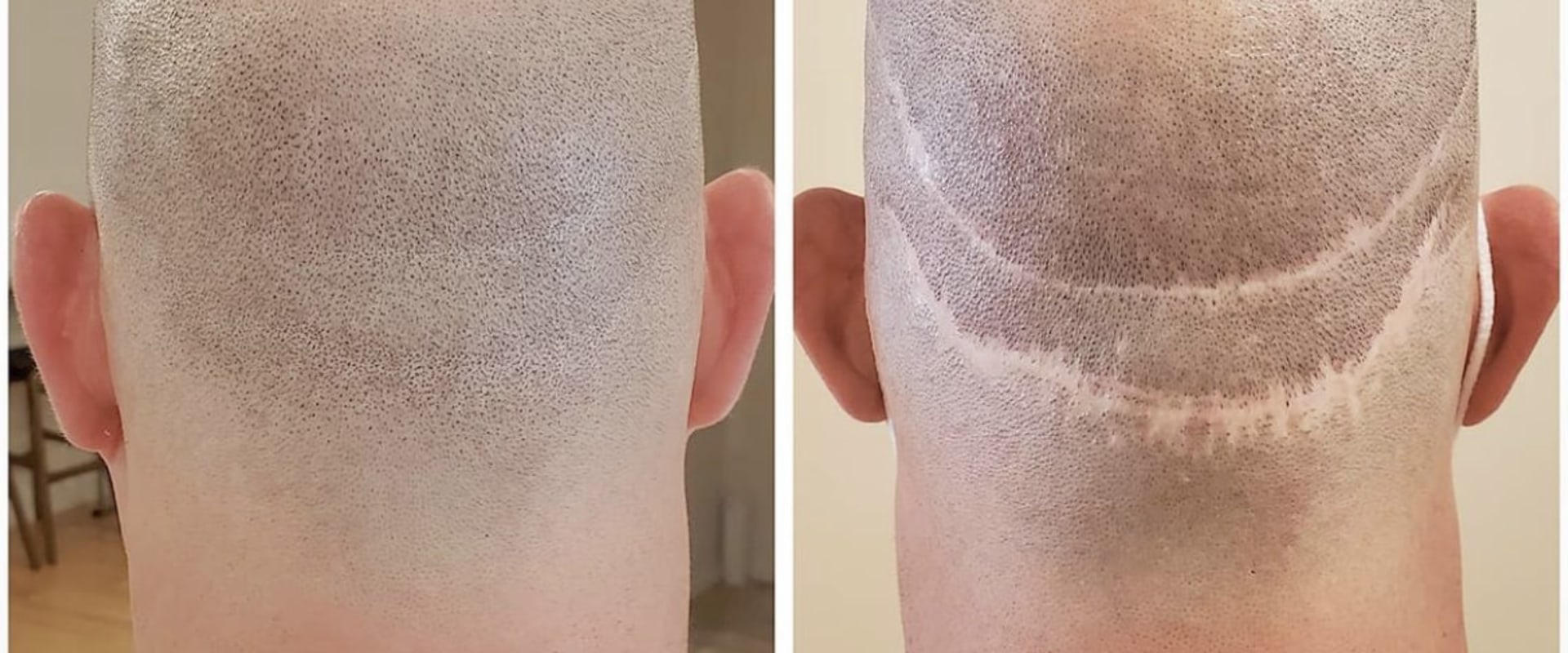
Micro-pigmentation, often referred to as scalp tattooing, is an innovative technique that has gained popularity as a long-lasting solution for individuals experiencing hair loss. This method involves the application of specialized pigments to the scalp, mimicking the appearance of hair follicles. The result is a natural-looking enhancement that can significantly improve the aesthetic appearance of thinning hair or bald spots.Procedure Details
- Consultation: The process begins with a thorough consultation with a qualified technician. During this session, the technician assesses the individual's scalp condition, discusses desired outcomes, and selects appropriate pigment shades that match the person's natural hair color.
- Preparation: Before the procedure, a topical anesthetic is applied to minimize discomfort.
This ensures that the client remains comfortable throughout the process.
- Application: Using a specialized tattoo machine, the technician applies tiny dots of pigment to the scalp in a pattern that mimics natural hair growth. This meticulous process can take several hours, depending on the size of the area being treated.
- Aftercare: Post-procedure care is crucial for optimal results. Clients are advised to avoid excessive sweating, sun exposure, and swimming for a few days following the treatment.
Benefits of Micro-Pigmentation
- Long-Lasting Results: One of the most significant advantages of micro-pigmentation is its durability. The results can last anywhere from 3 to 6 years, depending on skin type and aftercare.
- Natural Appearance: When performed by a skilled technician, micro-pigmentation can create an incredibly realistic look that blends seamlessly with existing hair.
- Non-Invasive: Unlike surgical hair restoration methods, micro-pigmentation is non-invasive and requires no downtime, allowing individuals to return to their daily activities almost immediately.
- Customizable: The technique can be tailored to suit individual preferences, whether one desires a fuller look or simply wants to camouflage specific areas of thinning hair.
Maintenance Requirements
While micro-pigmentation offers long-lasting results, some maintenance is required to keep the appearance fresh.
Touch-up sessions are typically recommended every 1 to 2 years to maintain color vibrancy and ensure that the pigment continues to blend well with any changes in hair growth or color. This technique has become a favored choice among those seeking effective and enduring solutions for hair loss. With its ability to enhance confidence and provide a natural look, micro-pigmentation stands out as a viable option for many individuals looking to reclaim their self-esteem and improve their overall appearance.
Wigs as a Scalp Camouflage Option
Wigs have emerged as a popular and effective solution for individuals experiencing hair loss. They not only provide coverage but also allow for versatility in style, color, and texture. Understanding the different types of wigs available, along with customization options and care tips, can help individuals make informed choices that best suit their needs.Types of Wigs
- Human Hair Wigs: These wigs are made from real human hair, offering a natural look and feel.
They can be styled just like natural hair, allowing for heat styling and dyeing. However, they tend to be more expensive and require more maintenance.
- Synthetic Wigs: Made from artificial fibers, synthetic wigs are often more affordable and come pre-styled. They hold their shape well but may not withstand heat styling. They are available in a wide range of colors and styles.
- Blended Wigs: These wigs combine both human hair and synthetic fibers, providing a balance between natural appearance and ease of care.
They offer some styling flexibility while being more cost-effective than 100% human hair wigs.
Customization Options
One of the significant advantages of wigs is the ability to customize them to match your natural hair color and texture. Many wig retailers offer customization services that include:- Color Matching: Professionals can help you find the perfect shade that closely resembles your natural hair color.
- Texture Matching: Wigs can be tailored to match the texture of your hair, whether it’s straight, wavy, or curly.
- Cap Size Adjustments: Ensuring a proper fit is crucial for comfort and security. Wigs come in various cap sizes, and adjustments can be made for a snug fit.
Care Tips for Longevity
Caring for your wig properly can significantly extend its lifespan. Here are some essential care tips:- Washing: Wash your wig regularly using products specifically designed for wigs.
Avoid using regular shampoo as it can strip the fibers of their luster.
- Drying: Allow your wig to air dry on a wig stand to maintain its shape. Avoid using heat sources like hair dryers.
- Storage: Store your wig in a cool, dry place away from direct sunlight. Using a wig box or stand can help maintain its form.
- Avoiding Heat: If you have a synthetic wig, avoid exposing it to high temperatures as this can damage the fibers.
Choosing the Right Scalp Camouflage Technique for You
Choosing the right scalp camouflage technique is a crucial step in addressing hair loss effectively.With various options available, it’s essential to assess your personal needs and preferences before making a decision. Here are some key factors to consider:
- Extent of Hair Loss: Evaluate how much hair you have lost. If you are experiencing minor thinning, makeup techniques may suffice. However, for more significant bald spots or complete scalp coverage, wigs or micro-pigmentation might be more appropriate.
- Desired Longevity: Consider how long you want the results to last.
Makeup provides a temporary solution, lasting up to 12 hours, while micro-pigmentation can last several months. Wigs can offer a longer-term solution if maintained properly.
- Maintenance Requirements: Different techniques come with varying levels of upkeep. Makeup may require frequent touch-ups throughout the day, while wigs need regular cleaning and styling. Micro-pigmentation requires touch-ups every six months to maintain its appearance.
- Comfort and Lifestyle: Think about your daily activities and how each technique fits into your lifestyle.
For instance, if you lead an active lifestyle or sweat frequently, a wig might be less comfortable than micro-pigmentation.
- Budget Considerations: Costs can vary significantly between techniques. Makeup is generally the most affordable option, while high-quality wigs and professional micro-pigmentation services can be more expensive. Assess your budget to find a solution that meets your financial needs.
They can help you understand the pros and cons of each technique and guide you toward the best choice based on your hair loss pattern, skin type, and personal preferences. During a consultation, be prepared to discuss:
- Your hair loss history and any treatments you have previously tried.
- Your expectations regarding appearance and maintenance.
- Your lifestyle factors that may influence your choice of camouflage technique.
Frequently Asked Questions about Scalp Camouflage Techniques
Scalp camouflage techniques have gained popularity as effective solutions for individuals experiencing hair loss. However, many people still have questions about these methods. Below are some frequently asked questions that can help clarify common concerns.What is scalp camouflage?
Scalp camouflage refers to various techniques used to conceal hair loss by creating the illusion of a fuller head of hair.This can be achieved through makeup, micro-pigmentation, or wigs, each offering different benefits and results.
How long do the results of scalp camouflage last?
The longevity of scalp camouflage results varies by technique:- Makeup: Typically lasts up to 12 hours, making it ideal for short-term use.
- Micro-pigmentation: Results can last between 4 to 6 months, requiring touch-ups to maintain the desired appearance.
- Wigs: With proper care, wigs can last up to 12 months or longer, depending on the material and usage.
Is scalp camouflage suitable for everyone?
While scalp camouflage techniques can benefit many individuals, suitability depends on factors such as the extent of hair loss, skin type, and personal preferences. Consulting with a professional can help determine the best option for your specific needs.Are there any side effects associated with these techniques?
Generally, scalp camouflage techniques are safe; however, some individuals may experience mild irritation or allergic reactions to certain products. It is essential to conduct a patch test before full application and consult with a professional if you have sensitive skin.Can I apply scalp camouflage products myself?
While some products, like makeup, can be applied at home, techniques such as micro-pigmentation should be performed by trained professionals to ensure safety and optimal results. Proper application is crucial for achieving a natural look.How do I choose the right color for my scalp camouflage?
Selecting the right color is vital for a seamless appearance.For makeup and micro-pigmentation, choose shades that closely match your natural hair color and skin tone. Professionals can assist in color matching to ensure the best results. By addressing these common questions about scalp camouflage techniques, individuals can make informed decisions regarding their hair restoration options and find solutions that best suit their needs.
Conclusion: Embracing Solutions for Hair Loss with Confidence
In conclusion, navigating the journey of hair loss can be challenging, but it is essential to remember that there are effective solutions available. Scalp camouflage techniques offer a range of options that can help individuals regain their confidence and embrace their appearance. By utilizing methods such as makeup, micro-pigmentation, and wigs, those experiencing hair loss can find a suitable approach that aligns with their lifestyle and personal preferences. Each technique has its unique benefits:- Makeup provides a quick and temporary solution, allowing for easy application and removal.
It is ideal for those who want to enhance their look for special occasions or daily wear.
- Micro-pigmentation offers a more long-lasting option, creating the illusion of fuller hair through expertly applied pigments. This method is particularly beneficial for individuals seeking a natural appearance without the need for daily maintenance.
- Wigs present a versatile choice, available in various styles and materials to suit individual tastes. They can provide complete coverage and are an excellent option for those looking for a dramatic change.
Remember, the goal is not just to cover hair loss but to enhance your overall self-image. Ultimately, embracing these scalp camouflage techniques can empower individuals to face the world with renewed confidence. Hair restoration is not merely about aesthetics; it is about reclaiming your sense of self and feeling comfortable in your skin. By exploring these options, you take an important step towards embracing your unique beauty and overcoming the emotional challenges associated with hair loss.